
Yasunaga Air Pumps: A Solution for Water Quality in Free Nutritious Meals and Sekolah Rakyat Programmes
The Free Nutritious Meals (MBG) programme and the development of Sekolah Rakyat are two strategic government initiatives aimed at improving the quality of Indonesia’s human resources. Beyond the provision of nutritious food and access to education, the success of these programmes also requires adequate environmental infrastructure, particularly a wastewater management system. Operational activities at MBG kitchens and educational facilities produce liquid waste that, if not properly managed, can pollute the environment, cause odours, and degrade public health standards.
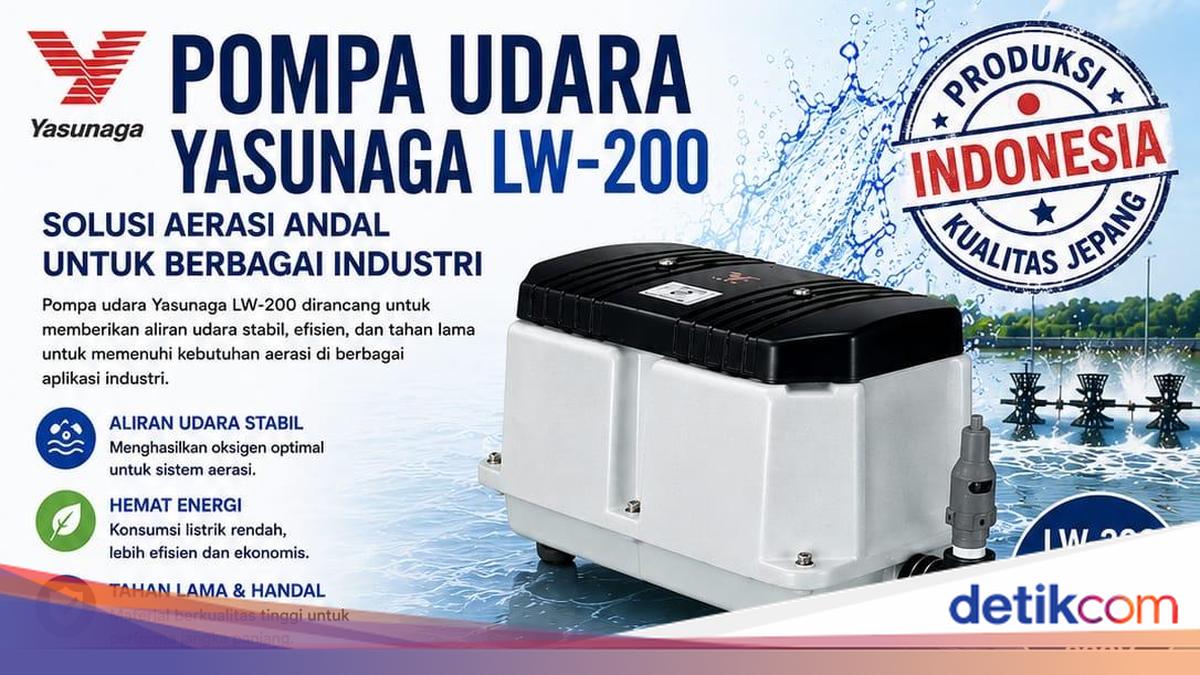
A crucial component of a Wastewater Treatment Plant (IPAL) is the air pump, which supplies oxygen through the aeration process. Bambang, Marketing representative of PT Maha Tirta Utama, explained that daily activities such as washing food ingredients, cleaning cooking utensils, and sanitation generate a significant volume of liquid waste. This volume is set to increase substantially as more communal kitchens and educational facilities become operational. PT Maha Tirta Utama is the official distributor in Indonesia for air pumps manufactured by PT Yasunaga Indonesia.
Yasunaga air pumps are designed to meet the aeration needs of various IPAL installations, ranging from domestic and industrial plants to aquaculture, hospitals, and other public facilities. Without adequate treatment, the waste can contaminate rivers and groundwater, foster the growth of pathogenic microorganisms, and create unpleasant odours. A programme intended to improve public health could inadvertently cause environmental problems if not supported by a proper sanitation system.
Providing nutritious meals and maintaining a healthy environment are inseparable. While the focus on supporting facilities often centres on clean water supply, preserving water quality also requires that wastewater is treated before being released back into the environment. Untreated wastewater can pollute water bodies that communities later reuse as a raw water source. Therefore, the construction of an IPAL should be integrated into the initial planning of every MBG kitchen and Sekolah Rakyat. An IPAL is not merely a means to meet environmental requirements but a long-term investment in safeguarding public health, protecting water resources, and ensuring the sustainability of government programmes.
In biological IPAL systems, millions of aerobic microorganisms work to decompose organic pollutants such as food scraps, oil, fat, protein, and carbohydrates. These microorganisms require a sufficient amount of Dissolved Oxygen (DO) to function optimally, a need met through aeration using an air pump. The pump channels air to a diffuser, which produces fine bubbles in the aeration tank. This process increases dissolved oxygen levels and ensures proper mixing of the wastewater, keeping the bacteria active in breaking down pollutants. Due to this vital role, the aeration system is often referred to as the heart of the biological wastewater treatment process. A poorly designed aeration system can lead to slower biological processes and the emergence of odours due to anaerobic conditions. It can also increase Biological Oxygen Demand (BOD) and Chemical Oxygen Demand (COD) levels, degrade the quality of treated water, raise operational costs, and risk non-compliance with wastewater quality standards.
The MBG programme, projected to serve millions of meals daily, will generate wastewater with a high organic content from food scraps, oil, fat, protein, carbohydrates, and detergents. This waste has high BOD and COD values, necessitating effective biological treatment. An appropriate aeration system accelerates the decomposition of organic matter, maintains the quality of treated water, reduces odour, and improves IPAL efficiency, thereby helping to meet environmental standards. This ensures that MBG kitchen operations can run sustainably without negatively impacting the surrounding environment. Similarly, a healthy school environment requires not only comfortable classrooms and nutritious food but also adequate sanitation. Activities in canteens, kitchens, bathrooms, washing areas, and dormitories generate daily liquid waste that needs proper management. An IPAL system equipped with optimal aeration will maintain school sanitation quality, prevent odours, reduce pollution, and create a healthier learning environment for both students and staff.