
Yasunaga Air Pump Technology Boosts Pond Productivity
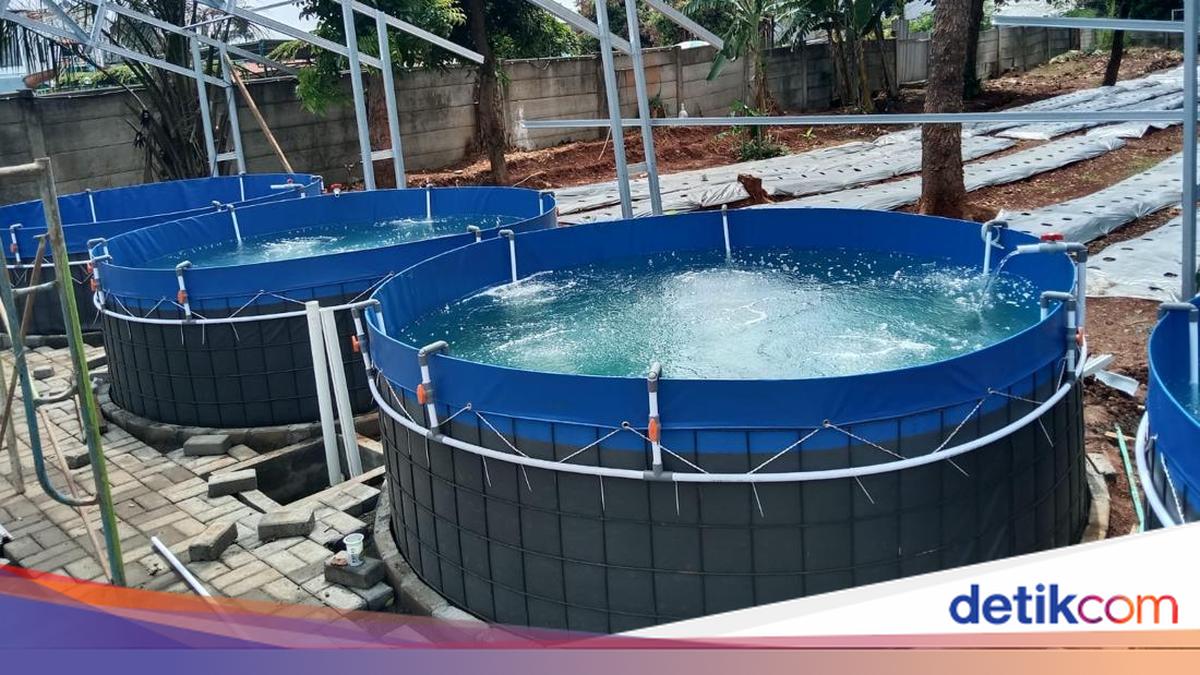
In modern intensive aquaculture, success is no longer solely determined by seed and feed quality. One of the most crucial factors determining success or failure is the stability of Dissolved Oxygen (DO) levels in the water.
In Indonesia, Yasunaga air pump technology is available to maintain this DO stability. In systems like shrimp ponds, biofloc tanks, hatcheries, and high-density fish ponds, oxygen requirements rise significantly.
When DO levels drop, the effects are immediately visible in fish and shrimp behaviour: increased stress, reduced appetite, slower growth, and risk of mass mortality.
“Therefore, aeration systems must do more than simply ‘switch on’. The key is ensuring even and consistent oxygen distribution throughout the pond,” said Bambang, Marketing at PT Maha Tirta Utama, on Friday (29 May 2026).
PT Maha Tirta Utama is Indonesia’s sole distributor for Yasunaga products, based in Jakarta.
Aeration is More Than Just Bubbles
Many farmers believe larger air bubbles mean better aeration, but technically, microbubbles offer far higher oxygen transfer efficiency,” Bambang explained. “Microbubbles have a larger surface area, longer contact time in water, and more even oxygen distribution. This helps raise DO levels more effectively than larger bubbles that quickly rise to the surface.”
Beyond bubble size, water circulation is equally vital. Without proper circulation, dead zones—oxygen-poor areas at the pond bottom—can form, accumulating sludge, ammonia, and toxic gases.
Factors Determining DO Stability
In intensive aquaculture, key factors affecting dissolved oxygen include stocking density, water temperature, organic matter accumulation, pond depth, circulation currents, aeration bubble size, and feeding activity. Higher biological activity and density drastically increase oxygen demand, especially at night and dawn when phytoplankton stop photosynthesis.
“Selecting the right blower and diffuser system is therefore critical,” Bambang said.
Optimal Aeration Systems for Intensive Aquaculture
One approach widely adopted is a blower system with microbubble diffusers, such as Yasunaga air pumps, which ensure even and efficient air distribution.
Bambang explained that Yasunaga air pumps are designed for continuous 24-hour operation to maintain stable DO levels. “This system is ideal for biofloc shrimp ponds, hatcheries, and intensive fish ponds,” he added.
Beyond boosting DO, optimal aeration supports active biofloc, maximises decomposer bacteria, reduces ammonia buildup, and maintains water quality.
Commitment to Technology and Quality
A key factor in aeration systems is the reliability of Yasunaga pumps, designed for uninterrupted 24/7 operation.
Bambang noted that Yasunaga air pumps have been manufactured in Indonesia since 1996, adhering to stringent Japanese quality control standards. With a production history dating back to 1975, Yasunaga technology is used globally across various aeration and industrial applications.
Being one of the Indonesian-produced air pump manufacturers, Yasunaga’s presence is a source of national pride, delivering high-quality aeration technology to support the country’s aquaculture sector.
“Designed for continuous 24-hour duty, Yasunaga air pumps consistently deliver stable aeration for modern intensive farming systems,” Bambang stated.
Direct Impact on Productivity
Optimal aeration directly enhances aquaculture performance through higher survival rates (SR), faster and more uniform growth, lower feed conversion ratios (FCR), stable appetite, reduced mass mortality risk, and improved energy efficiency.
In modern intensive aquaculture, stable DO is now a key operational success indicator.
Investing in Aeration Systems
Amid rising stocking densities and productivity demands, aeration investment is no longer supplementary but a vital part of pond ecosystem management. Properly designed aeration, Bambang stressed, helps farmers maintain pond environmental quality while boosting long-term production efficiency.
“Ultimately, aeration isn’t just about creating bubbles—it’s ensuring optimal pond life at all times,” he concluded.