
Yaqut Cholil Qoumas Challenges Corruption Charges in Hajj Quota Case
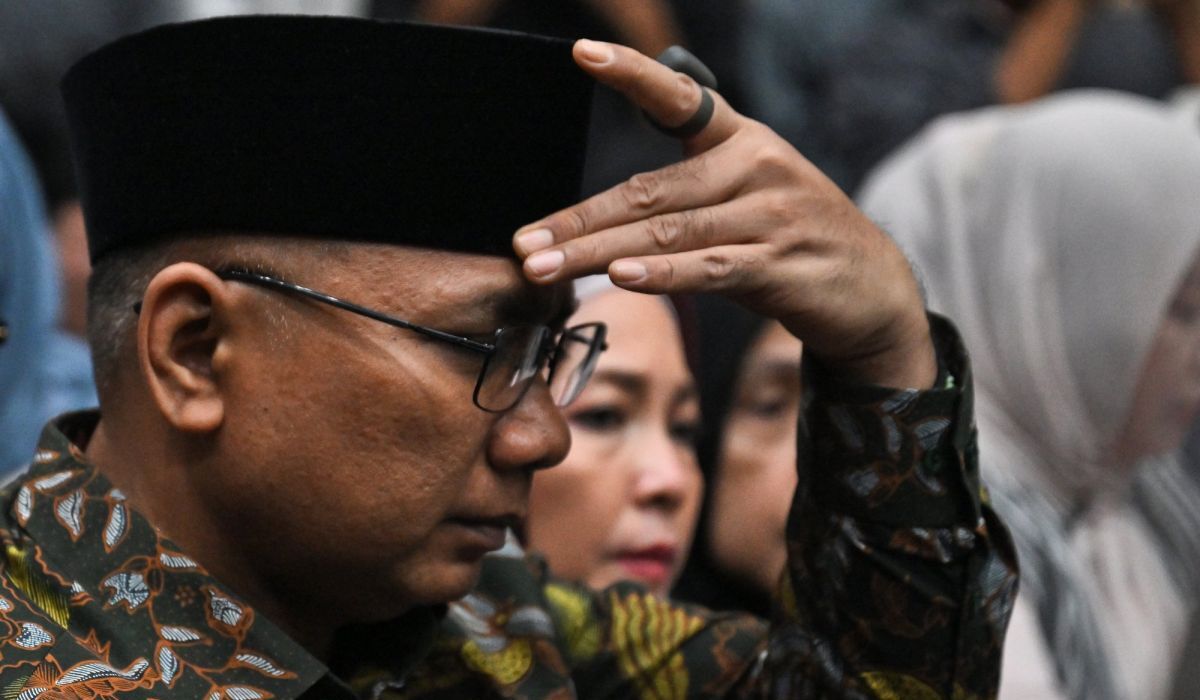
Former Religious Affairs Minister for the 2020-2024 period, Yaqut Cholil Qoumas, has formally lodged an objection through his legal team against the alleged corruption case involving Indonesia’s hajj quota for 2023-2024. This legal step was taken after his lawyers identified irregularities in the legal construction presented by the public prosecutor.
Yaqut’s lawyer, Dodi Abdulkadir, stated that a primary point of contention is the omission of Fuad Hasan Masyhur’s name from the final section of the indictment, despite the individual being mentioned repeatedly throughout the case being heard at the Corruption Court in Central Jakarta. “We question the disappearance of Fuad Hasan Masyhur’s name from the end of the indictment, even though the name is mentioned several times in the case,” Dodi said following the hearing on Tuesday (11/8).
Dodi argued that the prosecutor’s indictment tends to ignore other parties allegedly involved in the buying and selling of hajj quotas. He also questioned why the faults of others were being criminally attributed to Yaqut. Furthermore, the legal team scrutinised the accusation that Yaqut received USD 271,500 (approximately IDR 4.83 billion), claiming there is no clear evidence of receipt. Dodi further opined that Yaqut’s actions in issuing policies as Religious Affairs Minister should be tested through the corridors of administrative law, not directly drawn into the realm of corruption. “As religious affairs minister, he has the authority to issue policies. The scope for testing those policies is administrative law,” he asserted.
Separately, lawyer Mellisa Anggraini criticised the basis for calculating the state’s financial loss, which is claimed to be IDR 622.09 billion. She argued that this figure originates from profits made by Special Hajj Organisers (PIHK), the sale of special hajj quotas, and acceleration fees from pilgrims. Mellisa questioned how money originating from pilgrims and received by PIHK could be classified as a state loss. She added that if any ministry officials received benefits, the case should have been constructed as suspected bribery or gratification, not state financial loss.