
Xiaomi Phones Struggle, Replacement Products Sell Strongly
Jakarta, CNBC Indonesia - Xiaomi’s smartphone business performance has come under renewed pressure. The Chinese technology giant recorded a profit decline for the third consecutive quarter, following a prolonged global memory chip crisis.
Xiaomi’s adjusted net profit plunged 43% to 6.22 billion yuan (approximately Rp 16 trillion) in the second quarter of 2026. The decline was deeper than market expectations. In the same period, Xiaomi’s revenue fell 6.1%.
The smartphone business was one of the biggest sources of pressure. Revenue from that segment fell 7.5% after Xiaomi reduced shipments of mid-range to low-end phones. An increase in average selling price only partially offset the revenue decline.
The global memory chip crisis was one of the main causes. Xiaomi was among the companies most affected because major chip suppliers such as Samsung Electronics and SK Hynix prioritised production of advanced chips for data centres and artificial intelligence (AI) needs.
The shift in production capacity triggered a shortage of conventional memory chips and caused prices to soar. This condition then put pressure on material costs borne by smartphone manufacturers.
Xiaomi President Lu Weibing acknowledged that the second quarter was a difficult period for the company.
“The second quarter remained challenging overall with memory prices at their highest level in history, intense competition and sluggish demand,” Lu said.
According to him, memory prices are still rising. However, the pace of increase is expected to be more moderate in the second half of this year.
Pressure on Xiaomi was also visible in smartphone shipment performance. Based on data from research firm Counterpoint, Xiaomi recorded the largest shipment decline among the world’s five largest smartphone brands in the quarter ending June.
Xiaomi’s strategy of targeting nearly all market segments made the company more vulnerable to the memory crisis. Xiaomi sells premium devices, including foldable phones, as well as cheap devices priced below US$100.
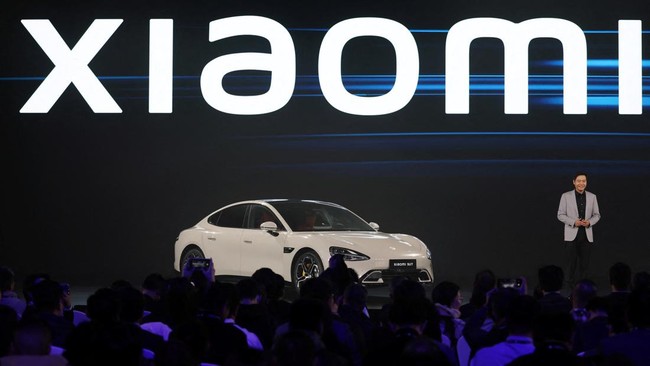
Amid pressure on the smartphone business, Xiaomi is now relying on two new sources of growth: the latest generation of phones and electric vehicles (EVs).
However, expansion into the automotive industry has also weighed on company profits. Xiaomi founder Lei Jun brought the company into China’s highly competitive electric vehicle market.
In recent weeks, investors have also begun to worry about the launch of two new petrol-electric hybrid vehicles priced below market expectations.
Xiaomi hopes the SkyNomad SUV can revive consumer interest. That hope comes as most car manufacturers in China face declining sales.
Xiaomi also plans to begin selling its electric vehicles in overseas markets next year. This expansion could make the EV business a stronger source of growth while also posing a threat to Western automotive brands, especially in the European market.
Nevertheless, Xiaomi must face a number of challenges in that expansion, ranging from tariffs, regulatory scrutiny to stricter vehicle safety standards.
Bloomberg Intelligence estimated Xiaomi’s sales in the second quarter fell about 5% year-on-year. Weakness in the smartphone and Internet of Things (IoT) businesses is expected to offset growth in the electric vehicle business.
Smartphone sales are estimated to fall about 9%. That figure is lower than the 26% shipment decline because the increase in average selling price helped improve the product mix.
Meanwhile, the IoT business is expected to remain weak due to reduced subsidies and sluggish consumer demand.
Conversely, Xiaomi’s smart electric vehicle business and new initiatives are expected to grow about 20% after SU7 model shipments increased following a model transition in the previous quarter.
However, Xiaomi’s gross margin is expected to remain under pressure. High memory costs in the smartphone business and increasingly fierce price competition in the electric vehicle market are the main burdens on company profitability.
Despite pressure on profits and smartphones, investors still responded relatively positively to Xiaomi’s prospects. The company’s shares in Hong Kong have risen nearly 20% since late June, indicating that some investors still have confidence in Xiaomi’s growth prospects.
Source: jawawa.id (https://jawawa.id/newsitem/xiaomi-phones-struggle-replacement-products-sell-strongly-1787190663)
Originally published by CNBC Indonesia (https://www.cnbcindonesia.com/tech/20260820081035-37-760778/hp-xiaomi-tidak-laku-produk-pengganti-hp-laku-keras), translated from Indonesian