
Xi Jinping to Discuss China's Access to Sea of Japan During North Korea Visit
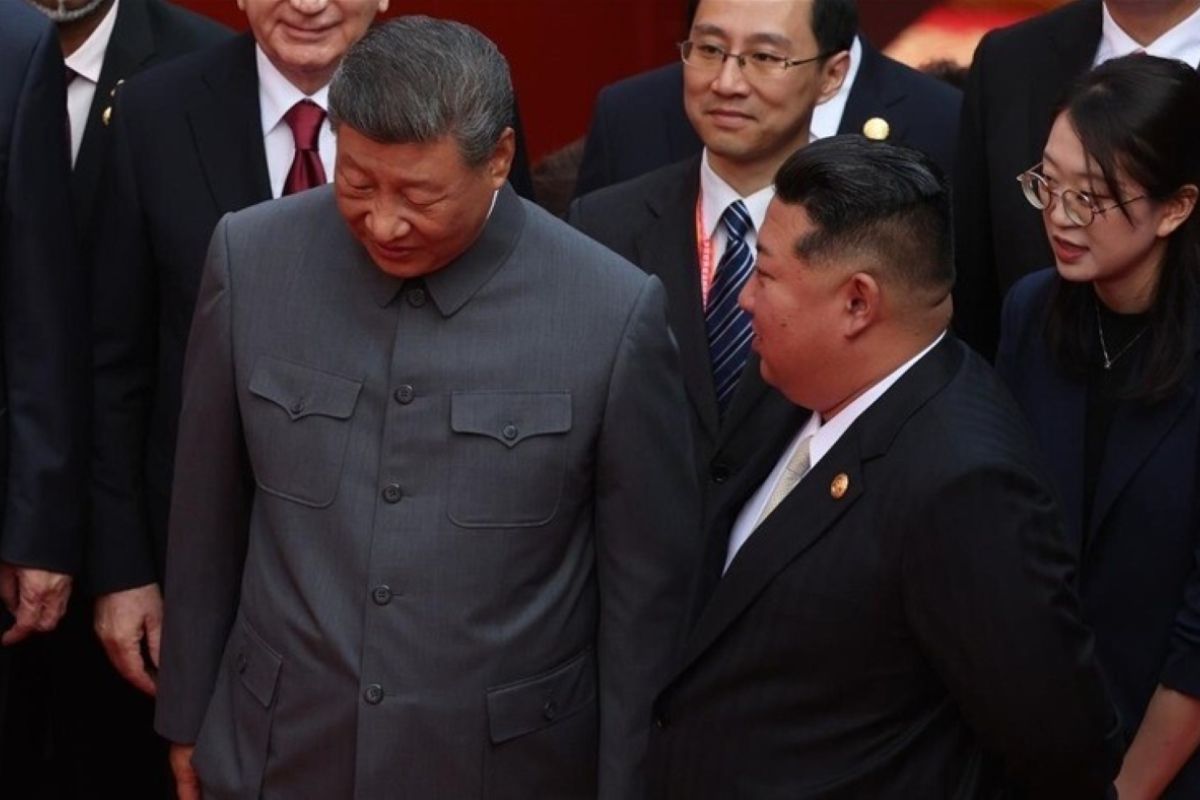
Tokyo (ANTARA) - Chinese President Xi Jinping is expected to discuss Beijing’s access to the Tumen River, which flows into the Sea of Japan, during a two-day visit to North Korea starting on Monday, according to media reports. The river forms part of the border between China, North Korea, and Russia; however, Beijing currently lacks direct maritime access to the Sea of Japan.
In May, Xi discussed this issue with Russian President Vladimir Putin during their meeting in Beijing. In their joint statement, both leaders reaffirmed their commitment to continuing trilateral consultations with North Korea regarding access to the Tumen River, in accordance with the 1991 agreement between China and the Soviet Union. To date, however, little progress has been made in developing a shipping lane for Chinese vessels along the river, where the estuary forms the border between North Korea and Russia.
Taiwanese media reports suggest that Xi is likely to raise the development of the Tumen River estuary area when meeting North Korean leader Kim Jong Un, marking his first visit to the neighbouring country since 2019. For Chinese ships to traverse the final section of the river, permission is required from both Russia and North Korea. Furthermore, a Soviet-era railway bridge crossing the river requires renovation, as its low clearance prevents cargo ships from passing.
Meanwhile, a new Russian–North Korean highway bridge over the Tumen River has recently been completed. The Russian news agency TASS reported that the highway bridge, located near the railway bridge, is expected to officially open at the end of June.
However, diplomatic sources familiar with China–North Korea relations suggest that direct Chinese access to the Sea of Japan via the river is unlikely to materialise. According to these sources, Moscow and Pyongyang remain concerned about Beijing’s increasing influence in the estuary region and the potential use of the waterway for military purposes.