
Xi Jinping Enacts New Law, Minorities Under Threat
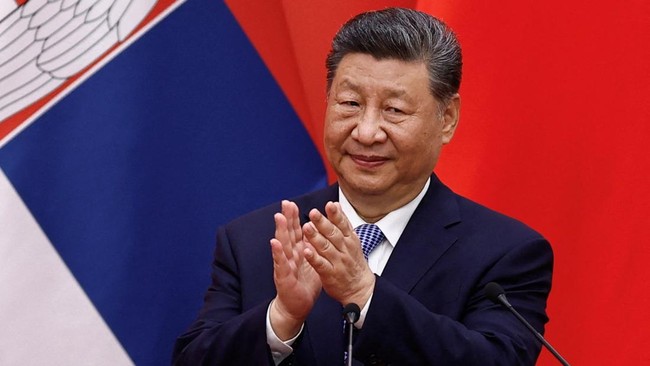
The Chinese government has officially enacted the Law on the Promotion of Ethnic Unity and Progress, effective from 1 July. This new regulation strengthens Xi Jinping’s policies regarding ethnic integration while expanding Beijing’s authority over parties deemed to disrupt ethnic unity, including those located overseas.
In a speech commemorating the 105th anniversary of the founding of the Communist Party of China, Xi emphasised the importance of implementing these rules. He called upon all party cadres to “continue to consolidate and strengthen the great unity of all ethnic groups” as part of efforts to maintain national stability and unity.
The new rules prohibit any actions deemed to “damage ethnic unity” or “create ethnic division” among the 56 ethnic groups recognised by the Chinese government.
The regulation also mandates that schools and government institutions use Mandarin as the primary language, while educational curricula must instil a “sense of togetherness as the Chinese nation.” Parents are also required to guide their children to love the Communist Party of China and the state.
Beyond the education sector, the government also requires museums, libraries, and other cultural institutions to promote Chinese national history and identity. Meanwhile, local governments are requested to encourage inter-ethnic integration in housing policies, which some observers fear could pave the way for population relocation.
The law also has cross-border implications. Organisations or individuals outside Chinese territory judged to be disrupting ethnic unity can be held accountable. This provision has triggered concerns among human rights groups, as it is seen as potentially affecting the activities of academics, journalists, activists, and diaspora communities who criticise Beijing’s ethnic policies.
Professor James Leibold of La Trobe University, Australia, believes the regulation marks a major shift in the Chinese government’s approach to ethnic issues. “Beijing is no longer treating ethnic unity as a political slogan or merely local propaganda,” he stated, as quoted by CNN International on Thursday (2/7/2026).
According to Leibold, the new rules make the formation of a single national identity a binding obligation for all state institutions, ranging from schools, families, and media to museums and security forces. “The message is clear: minority group identities are only acceptable if they exist under a Chinese identity defined by the Party,” he said.
He also warned that the law has the potential to create a “chilling effect” on researchers, journalists, activists, and the Chinese diaspora abroad. He noted that the threat of cross-border enforcement could trigger self-censorship, restrict travel, and narrow the space for academic discussion regarding China’s ethnic policies.
Criticism has also emerged from United Nations (UN) human rights experts. In a letter published last April, they assessed that the law could potentially threaten the linguistic, cultural, and religious autonomy of minority groups such as Tibetans, Uyghurs, and Mongols. They also warned of the risk of “transnational repression” if the provisions are applied to individuals outside Chinese territory.
Responding to these criticisms, the Chinese government asserted that the new regulation aims to protect the rights of all ethnic groups. Deputy Minister of Justice Hu Weilie stated that applying jurisdiction to parties abroad deemed to threaten ethnic unity is in line with the principles of international law.
“Ethnic unity is an important foundation for national prosperity and development. Illegal activities that deliberately incite ethnic conflict, damage unity, and threaten national security will harm the public interest and the rights of the people,” said Hu.