
WWF: Tapir Case in Mesuji a Wake-Up Call for Wildlife Protection
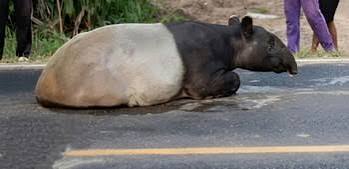
WWF Indonesia has strongly condemned the killing of a tapir in Mesuji, Lampung. The incident is seen as a serious warning about the increasingly threatened living space of wildlife due to pressure on their habitats. In an official statement, WWF emphasised that wild animals venturing out of forest areas should receive proper protection and handling, not be killed by humans. According to WWF, the Asian tapir (Tapirus indicus) is currently listed as endangered on the IUCN Red List. Therefore, any threat to the species’ population could worsen ongoing conservation efforts. WWF believes the appearance of the tapir near areas of human activity indicates significant pressure on its natural habitat within the forest. The solitary and shy animal plays an important role in maintaining the ecosystem through seed dispersal, which aids forest regeneration. ‘Tapirs hold a very important ecological role as natural seed dispersers that support the sustainability of forests in the future,’ WWF wrote in its statement on Saturday (4/7). In line with this, WWF urged the public not to take actions that could endanger wildlife when found outside their habitat. The public is asked to keep a safe distance, not to provoke, and to avoid chasing or crowding the animal for the sake of documentation or social media content. The conservation organisation also requested that residents immediately report the presence of wildlife to the Natural Resources Conservation Agency (BKSDA) or local authorities so that handling can be carried out by competent officers. WWF stressed that wildlife protection is a shared responsibility. The organisation invited the public to build awareness of sharing living space between humans and wildlife so that similar conflicts do not continue to recur. ‘Protecting endangered wildlife is our collective responsibility. Sharing a harmonious living space between humans and wildlife must become a reality,’ the WWF statement read.