
WWF Indonesia Strengthens Leatherback Turtle Conservation in Buru Through TFCCA
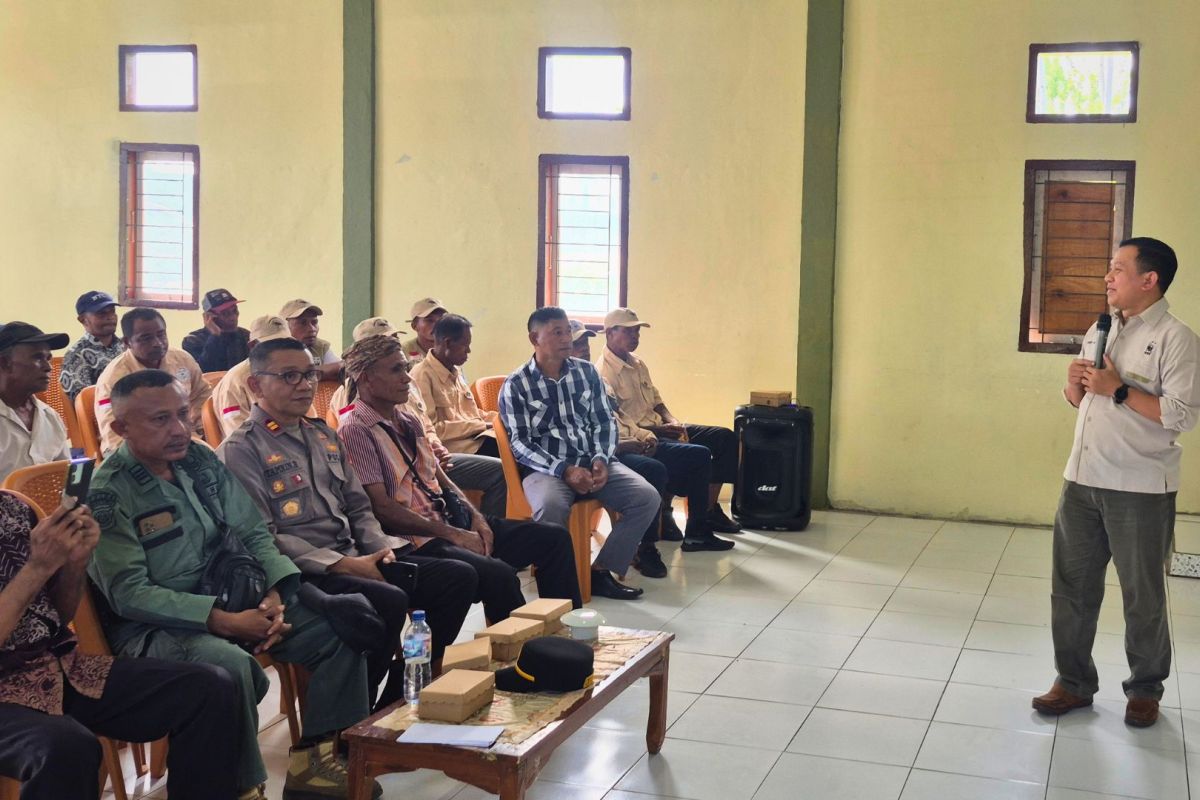
World Wide Fund for Nature (WWF) Indonesia is strengthening leatherback turtle (Dermochelys coriacea) conservation efforts on Buru Island through the implementation of the Tropical Forest and Coral Reef Conservation Act (TFCCA) Project. The initiative was marked by a project kick-off event in Wamlana Village, Fena Leisela District, Buru Regency, Maluku. “Leatherback turtles play a vital role in maintaining the balance of the marine ecosystem. If they are no longer found nesting in their natural habitat, it could be an indicator of environmental damage,” said Inner Banda Arc Seascape Manager for WWF Indonesia, M. Budi Santosa, in Ambon on Wednesday. The activity brought together central and regional government representatives, academics, and community groups to align work plans and strengthen collaboration for turtle and coastal ecosystem conservation in the northern part of Buru Island. He stated that Buru Island is one of the important leatherback turtle nesting sites in Indonesia, alongside Jamursba Medi Beach in Southwest Papua. According to him, a 14-kilometre stretch of beach in Fena Leisela District serves as a nesting location for four turtle species: leatherback, olive ridley, green, and hawksbill turtles, with an average of around 250 nests found annually. Meanwhile, Head of the Maluku Provincial Marine and Fisheries Service, Erawan Asikin, said the TFCCA project is expected to strengthen the management of the Buru Waters Conservation Area, which was recently established through the Minister of Marine Affairs and Fisheries Decree Number 69 of 2025. He noted that the conservation area still requires strengthened governance, human resource capacity building, and public awareness campaigns regarding its management. “Through this TFCCA project, we are not only protecting and preserving turtles but also hoping to deliver economic benefits to the community,” he stated. Through the TFCCA project, WWF Indonesia, together with the government and communities, will focus on enhancing the capacity of conservation area managers, monitoring and protecting endangered marine species, particularly turtles, and raising public awareness about the importance of conserving Endangered, Threatened, and Protected (ETP) species. WWF Indonesia emphasised that multi-stakeholder collaboration is necessary to ensure that leatherback turtle protection on Buru Island is not merely a species rescue effort but also a long-term investment in maintaining the sustainability of Maluku’s marine ecosystem.