
WWB to Measure Impact of Female Migrant Worker Remittances Through Gender Perspective
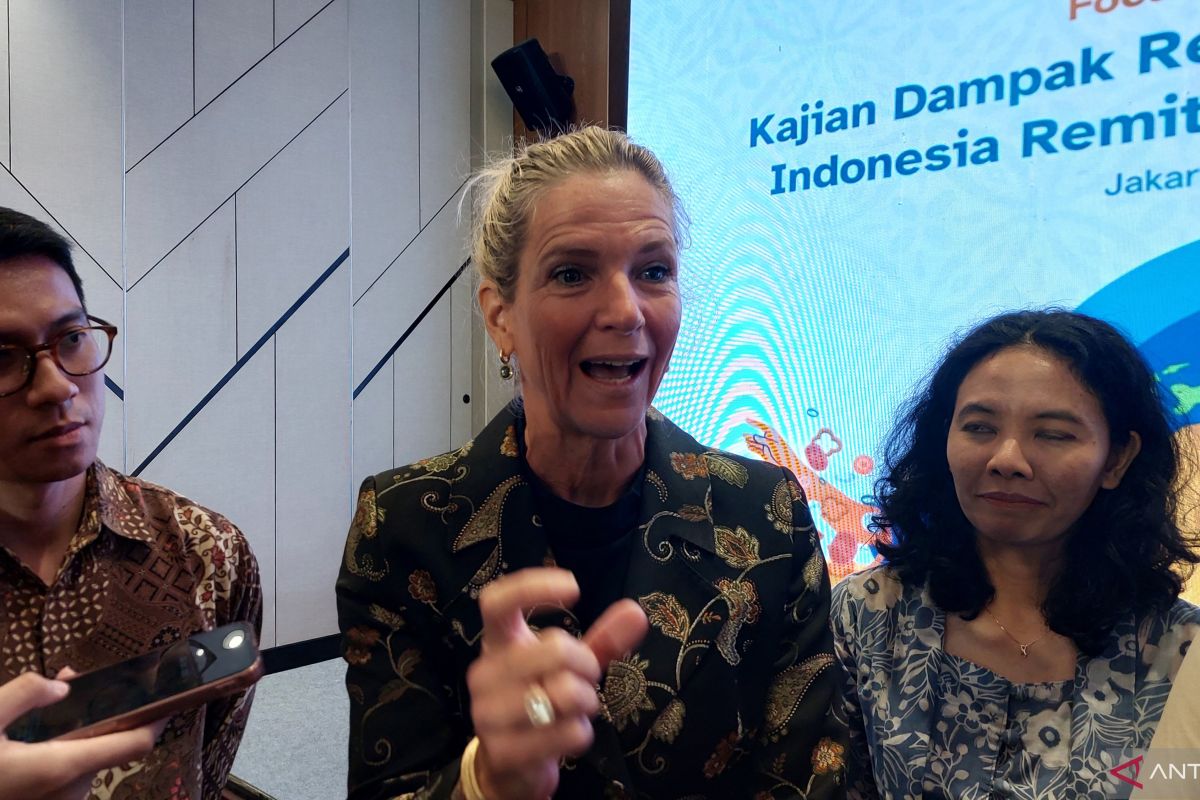
It is not merely about how much income is sent from abroad or for what purpose it is used, but more fundamentally, whether women have a voice and control in determining its utilisation.
Angelique Timmer, Regional Director for Southeast Asia at Women’s World Banking, stated that a gender perspective is essential in understanding the impact of remittances from Indonesian migrant workers (PMI), given that women constitute the majority of those deployed overseas.
She noted that the large proportion of female migrant workers necessitates a measurement of remittance impact that looks further than just the monetary value sent to Indonesia.
“It is not only about how much income is sent from abroad or for what purpose it is used, but more fundamentally, whether women have a voice and control in determining its utilisation,” Angelique said during the signing ceremony for the Remittance Impact Study Cooperation Agreement and the development of the Indonesia Remittance Development Index (IRDI) in Jakarta on Thursday.
According to data from the Ministry of Migrant Workers Protection (KP2MI), of the 296,948 prospective migrant workers provided with placement services throughout 2025, approximately 63.13 per cent are women.
She added that the benefits of remittances are also influenced by how funds are managed, who is involved in decision-making, and the extent to which migrant workers’ earnings can strengthen the economic resilience of women and their families in the long term.
To date, there has been no comprehensive measurement framework to assess the impact of remittances on the welfare of migrant workers and regional economic development simultaneously.
The study will not only examine the use of remittances for daily needs but also their potential for asset building, financing education and health, and supporting productive economic activities.