
WTO: Global Goods Trade Grows Beyond Expectations in Q1 2026
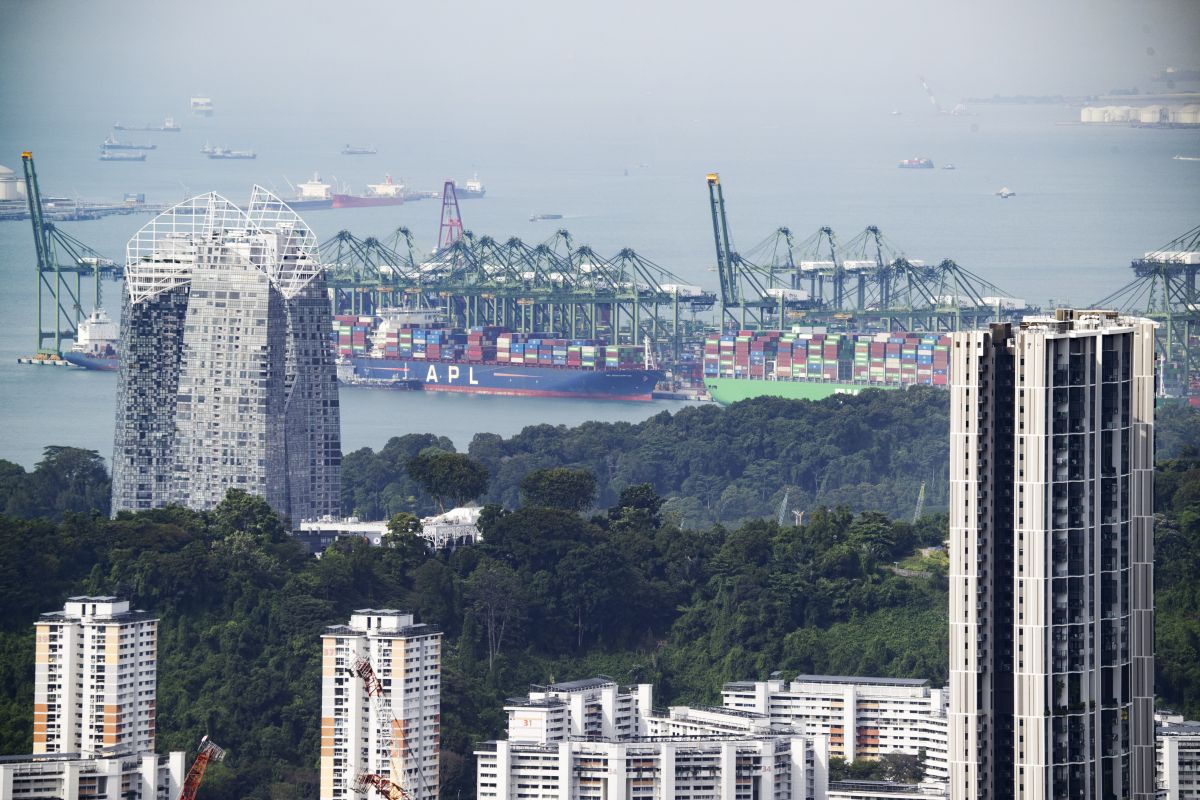
Geneva (ANTARA) - The World Trade Organization (WTO) released latest data on Friday (31/7) showing that global goods trade growth exceeded expectations in the first quarter (Q1) of 2026. This occurred as a surge in trade for electronic components related to artificial intelligence (AI) offset the negative impacts of conflicts in the Middle East.
According to the data, seasonally adjusted global goods trade volume increased by 1.9 per cent quarter-on-quarter and 3.2 per cent year-on-year (yoy) in Q1 of this year. In terms of value, global goods trade increased by 2 per cent compared to the previous quarter and rose by 11 per cent compared to the same quarter in 2025.
The year-on-year growth rate recorded in Q1 2026 is particularly noteworthy, given that trade growth in Q1 2025 was largely driven by increased imports in North America ahead of anticipated tariff hikes. The strong trade in AI-related electronic components was more than sufficient to offset the adverse effects of the outbreak of war in the Middle East, including shipping disruptions through the Strait of Hormuz and slowing GDP growth in clean fuel importing nations due to rising energy prices.
While specific data on the global trade volume of AI-supporting products is unavailable, their trade value in US dollar terms surged by more than 40 per cent (yoy) in Q1. The conflict has significantly impacted goods trade in the Middle East, where seasonally adjusted regional exports and imports fell by 9.7 per cent and 11.9 per cent (yoy) respectively in Q1, with a sharper decline expected in the second quarter (Q2).
Simultaneously, AI-related investment expenditure boosted trade volumes in Asia during Q1, with seasonally adjusted Asian exports and imports rising by 12.9 per cent and 14.6 per cent (yoy) respectively. Most of Asia’s trade expansion stemmed from intraregional circulation of AI-supporting products. In North America, exports in Q1 increased by 7.0 per cent (yoy), while imports fell by 10.7 per cent (yoy). The WTO expects that trade data in the following quarter will more closely reflect the shipping disruptions through the Strait of Hormuz.