
World's Smartphone King Dominates at Number One, Chinese Phones Increasingly Unpopular
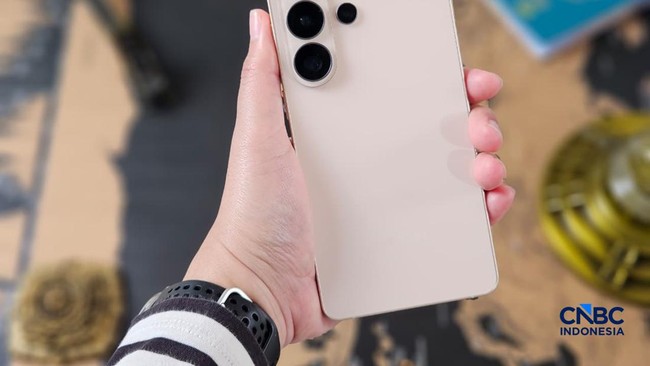
Samsung has become the king of smartphones in the first quarter of 2026. At the same time, the global smartphone industry is experiencing a decline due to memory shortages that occurred throughout the early part of this year.
A report from research firm IDC indicates that Samsung’s market share for that period reached 21.7% with shipments of 62.8 million units. Year-on-year shipment growth reached 3.6% from the previous year.
According to the report, the company’s positive achievement is due to strong demand for the latest Galaxy S26 Ultra. The launch of the A series also helped fill the volume gap because the S26 arrived later and drove growth.
In second place is Apple with a market share of 21.1% and shipments of 61.1 million units. The company’s growth reached 3.3%.
The iPhone 17 series drove the company’s strong performance, including significant growth in China of more than 30%. However, supply disruptions and reduced channel support in several major markets hindered growth.
Meanwhile, the three Chinese giants in the top five recorded negative growth. From Xiaomi -19.1%, Oppo -9.9%, and Vivo -6.8%.
Xiaomi is reported to have strategically reduced shipments of old models. The reason is to avoid massive price increases.
For Oppo, integration with Realme made performance stronger in China and helped a larger global decline. Positive performance in China and maintaining leadership in India allowed Vivo to narrow the gap with Oppo globally.
“This quarter has been a challenge for all smartphone players as they balance profitability and growth, as well as stabilisation in the domestic market versus expansion abroad amid supply limitations and price pressures,” explained IDC Consumer Devices Associate Director Kiranjeet Kaur in her official statement, quoted on Monday (20/4/2026).
“Apple and Samsung benefited from their dominance in the premium segment where they withstood price increases, while Xiaomi, Oppo, and Vivo are trying to push market share into higher price segments,” she added.
Overall, global smartphone shipments fell 4.1% to 289.7 million units in Q1 2026. This decline ended the growth trend that had occurred for 10 consecutive quarters.
IDC Worldwide Consumer Devices Senior Research Director Nabila Popal explained that the smartphone market entered one of its challenging periods driven by memory supply constraints. This issue led to reduced shipments and increased raw material costs with higher memory prices.
Ultimately, it forced many leading brands to raise prices. In some developing countries, prices rose by 40-50% and burdened demand in price-sensitive regions.
“Original equipment manufacturers (OEMs) responded with tighter cost controls, reduced marketing and channel support, and increased use of de-specification strategies, but those steps also limited growth,” she explained.
On the other hand, this period became a time for vendors to innovate. Because the war in the Middle East also raised costs for several things and will pressure global smartphone demand.
“This calendar year becomes a turning point for vendors to innovate, as rising component, energy, and logistics costs due to the recent war in the Middle East exacerbate the risk of declining market prospects and pressure global smartphone demand,” said Popal.