
World's Most Poisonous Bird Roams Indonesia, Effects Can Be Fatal
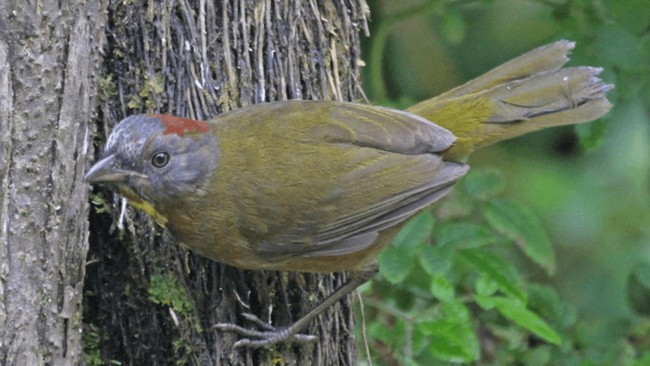
Indonesia is one of the habitats of the world’s most poisonous bird, the pitohui. Although it looks like an ordinary bird, this species harbours a potent toxin in its feathers and skin that can cause dangerous effects for humans and predators alike. A first-hand experience of encountering the bird was recounted by University of Copenhagen researcher Kasun Bodawatta. He described an incident while taking samples from a regent whistler (Pachycephala schlegelii) during research in Papua. According to Bodawatta, he was unknowingly exposed to the toxin present on the bird. Shortly after contact, his eyes began to water incessantly, puzzling local residents who saw his condition. “People thought I was sad and stressed during the expedition because they saw me tearing up. My nose was also running,” said Bodawatta. “In fact, I was just sitting there taking samples from a Pitohui, the most poisonous bird on the planet,” he added. Besides the pitohui, another poisonous bird is the rufous-naped bellbird (Aleadryas rufinucha). Both store a highly dangerous neurotoxin called batrachotoxin, which causes eyes to water upon exposure. The batrachotoxin found in these two birds living in Papua comes from the food they consume in the forest. The toxin accumulates in the feathers. While it has no effect on the birds, humans who ingest it could die. Several local residents say that eating the meat or simply holding either of these birds makes the body feel as if it is burning. The toxin acts as a kind of weapon to protect the birds from predator attacks. Therefore, one needs to be careful if encountering either of these bird species.