
World Space Week 2026: History, Objectives, and Commemorative Themes
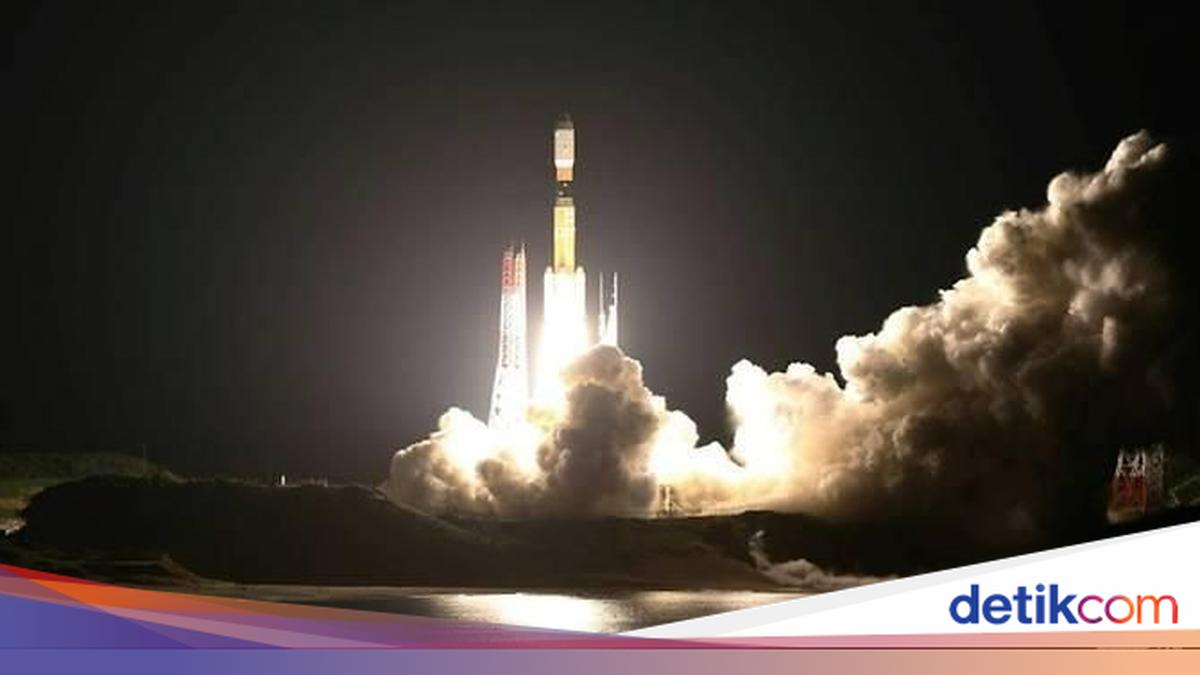
World Space Week is the largest annual space celebration in the world, observed globally from 4 to 10 October. This commemoration is organised to appreciate the contributions of space science and technology in improving the quality of human life on Earth.
The observance of World Space Week serves as a momentum to gain a closer understanding of the journey of space exploration, the benefits of space technology, and the continuous advancements in science and technology.
History and Background
World Space Week was officially established by the United Nations General Assembly through Resolution 5le/68 on 6 December 1999. The selection of the dates 4 to 10 October commemorates two historic events that changed the course of human space exploration:
4 October 1957: The launch of Sputnik 1, the first man-made satellite to successfully orbit the Earth, paving the way for the era of space exploration.
10 October 1967: The entry into force of the Outer Space Treaty (Treaty on Principles Governing the Activities of States in the Exploration and Use of Outer Space), an international legal framework often referred to as the “Magna Carta of Space.”
Objectives of the Commemoration
The UN and global space organisations have established several primary objectives for World Space Week, namely:
To inspire the younger generation and students to delve into the fields of science, technology, engineering, and mathematics (STEM) to build the future workforce.
To demonstrate public support for various national and international space programmes.
To educate the wider public regarding the tangible benefits of space activities and technology in everyday life.
To encourage international cooperation in expanding space education and socialisation.
Theme for 2026: “Rocket Revolution”
Every year, the World Space Week Association, in collaboration with the United Nations Office for Outer Space Affairs (UNOOSA), determines a specific theme. For the year 2026, the chosen theme is “Rocket Revolution.”
This theme highlights the rapid shift and transformation in space launch technologies. Space launches, which were once dominated solely by large-scale government programmes, are now becoming increasingly affordable and accessible thanks to the emergence of commercial launch providers, reusable rocket technology, and the involvement of university academic teams, startups, and new nations entering the space industry.
The 2026 celebrations will also feature a special Google Doodle launch on 6 October 2026. The Doodle will display an image of the Rosebud Nebula captured by NASA’s James Webb Space Telescope to celebrate advancements in astrophotography technology.
Activities in Indonesia
World Space Week is celebrated by various educational institutions and science facilities worldwide. In Indonesia, one of the events will be held at the Jakarta Planetarium and Observatory, Taman Ismail Marzuki (TIM).
According to information from the Jakarta Planetarium and Observatory, Jakarta Astronomy Week 2026 will take place from 6 to 10 October 2026, at the Teater Kecil, Taman Ismail Marzuki. The event will feature a range of astronomical activities open to the public.
The series of activities includes an Astronomy Exhibition from 6 to 10 October, Mini Planetarium Shows from 6 to 9 October, Solar Observation from 6 to 10 October, Water Rocket Experiments from 6 to 9 October, and an Astronomy Talkshow on 10 October 2026.
Source: jawawa.id (https://jawawa.id/newsitem/world-space-week-2026-history-objectives-and-commemorative-themes-1791356481)
Originally published by detikcom (https://news.detik.com/berita/d-8696151/pekan-antariksa-dunia-2026-sejarah-tujuan-dan-tema-peringatan), translated from Indonesian