
World Refugee Day Commemorated on 20 June: Here Are the Details
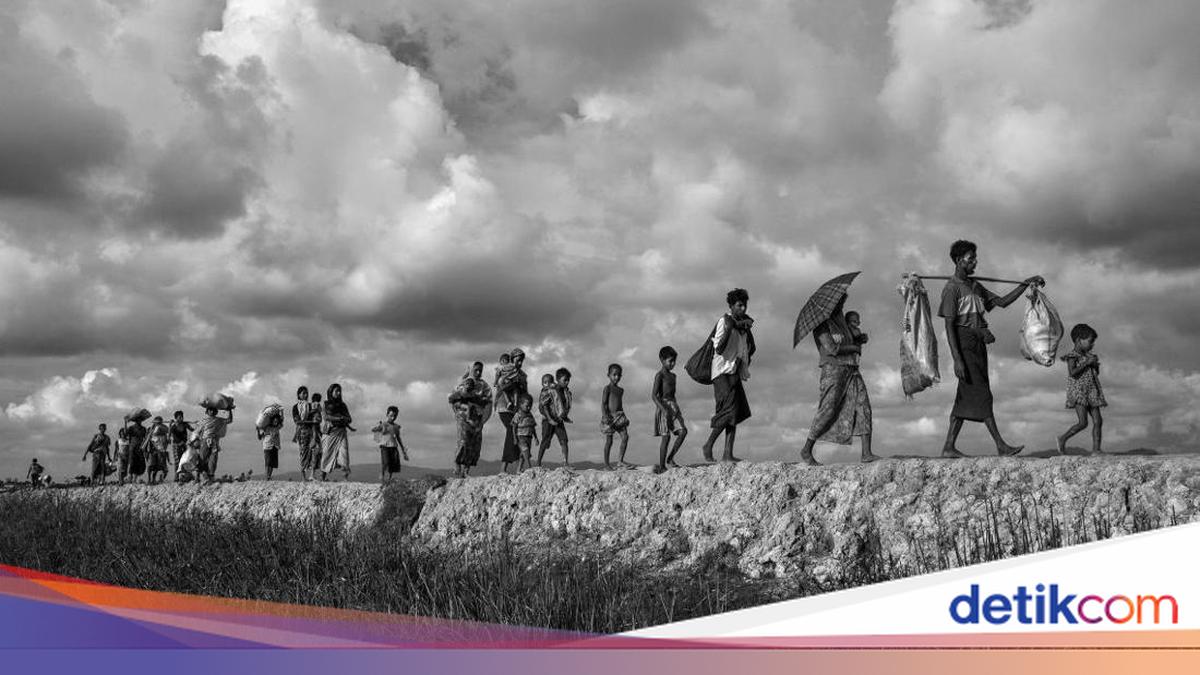
Every year on 20 June, the United Nations commemorates World Refugee Day. This year’s observance focuses on the call ‘Until Everyone Is Safe’. World Refugee Day is an international day designated by the UN to honour refugees around the globe. It falls annually on 20 June to celebrate the strength and courage of people who have been forced to flee their home countries to escape conflict or persecution. The day is an occasion to build empathy and understanding for their plight and to recognise their resilience in rebuilding their lives. Every minute, 20 people leave everything behind to flee war, persecution, or terror. There are several types of forcibly displaced persons: Refugees are individuals who have fled their homes and countries because of a ‘well-founded fear of persecution for reasons of race, religion, nationality, membership of a particular social group, or political opinion’, according to the 1951 UN Refugee Convention. Many refugees are in exile to escape the effects of natural or man-made disasters. Asylum seekers say they are refugees and have fled their homes like refugees, but their claim to refugee status has not yet been definitively evaluated in the country where they have sought refuge. Internally Displaced Persons (IDPs) are people who have not crossed an international border but have moved to a different region within their own country. Stateless persons do not have a recognised nationality and do not belong to any country. Statelessness is usually caused by discrimination against certain groups. Their lack of identity—a certificate of citizenship—can prevent them from accessing essential government services, including healthcare, education, or employment. Returnees are former refugees who have returned to their country or region of origin after a period in exile. They require ongoing support and reintegration assistance to ensure they can rebuild their lives at home. The theme for World Refugee Day 2026 comes at a time when the promise of safety is being tested in every region of the world. Seventy-five years after the adoption of the 1951 Convention relating to the Status of Refugees, that promise remains one of the international community’s clearest commitments: that people forced to flee must not be returned to danger, and must be able to live in dignity during their displacement. More than 117 million people are forcibly displaced worldwide, including families driven out by war in Sudan, violence in the Democratic Republic of the Congo, and protracted crises in Ukraine, Afghanistan, the Syrian Arab Republic, Myanmar, and other countries. When people fleeing danger are not protected, insecurity deepens: families are forced to take dangerous routes, children lose years of learning, women and girls face greater risks, and host communities are left without the support they need. Protecting refugees is therefore not only an act of compassion; it is a prerequisite for stability and peace. ‘Until Everyone Is Safe’ is a call to keep that promise alive. It asks governments to uphold fair and accessible asylum systems, donors to sustain life-saving support, communities to welcome those forced to flee, and all of us to defend the principle that safety should not depend on citizenship, wealth, race, religion, gender, political opinion, or migration status. Protection is only fulfilled when forcibly displaced people can live without fear, rebuild their lives, contribute to their communities, and, when conditions allow, return home voluntarily, safely, and with dignity.