
World Patient Safety Day: IPMG Emphasises Importance of Pharmacovigilance for NCD Patients
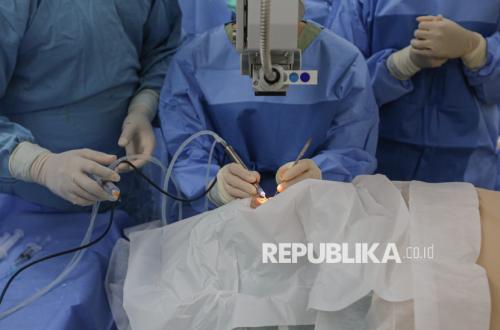
Patients with Non-Communicable Diseases (NCDs) often require long-term treatment and intensive care. According to the World Health Organization (WHO), NCDs such as cardiovascular disease, cancer, diabetes, and chronic respiratory diseases account for approximately 74% of all global deaths. Most NCD patients also require continuous, long-term care and treatment. The WHO estimates that globally, 1 in 10 patients experiences injury during their care, with about half of these injuries considered preventable.
Coinciding with World Patient Safety Day, the International Pharmaceutical Manufacturers Group (IPMG) has emphasised its commitment to strengthening pharmacovigilance systems to protect NCD patients. Adopting the WHO global theme “Safe care for Noncommunicable Diseases” with the slogan “Safe care for life!”, the IPMG has introduced the message “Prevent Non-Communicable Diseases (NCDs), Protect Lives”. This call to action urges that safety be applied throughout the entire NCD care journey, from prevention and diagnosis to treatment, rehabilitation, and long-term management.
IPMG Chair, Evie Yulin, stated that patient safety is not merely a jargon but an operational foundation consistently implemented through the Ethics, Medical, and Pharmacovigilance (PV) Working Group.
“Patients with non-communicable diseases often undergo long-term therapies. Therefore, drug safety monitoring does not stop once a product receives a marketing authorisation, but must continue as long as the medicine is being used by patients. Through the pharmacovigilance system, IPMG member companies strive to ensure that every piece of information regarding drug safety can be detected, evaluated, and acted upon promptly for the sake of patient safety,” said Evie.
IPMG Executive Director, Ani Rahardjo, also highlighted the vital role of healthcare professional participation.
“Patient safety is a shared responsibility. In addition to industry and regulators, the participation of healthcare professionals and patients in reporting suspected adverse drug reactions plays a crucial role in strengthening the drug safety monitoring system in Indonesia. The faster reports are received, the more quickly evaluation and mitigation steps can be taken,” added Ani.
As part of compliance with the standards of the Indonesian Food and Drug Authority (BPOM), all IPMG member companies operate independent pharmacovigilance systems. These systems function to monitor, detect, evaluate, and report adverse drug reactions continuously after products reach patients. All such information is integrated into the national drug safety monitoring ecosystem.
In the context of NCD care, strict safety monitoring serves as a vital instrument to reduce the risk of avoidable medical injuries. This practice is realised through three main pillars:
• Development of Internal Procedural Systems: Building internal compliance involving intensive socialisation and training for employees, contractors, and business partners regarding the importance of pharmacovigilance standards.
• Risk Mitigation and Active Communication: Periodically evaluating side effect reports, capturing clinical signals from clinical trials, and taking mitigation and risk communication steps to ensure product safety information remains up to date.
• Continuous Education: Integrating education programmes for healthcare professionals and patients, as well as facilitating transparent and comprehensive local reporting of side effects.
Real synergy between industry and regulators is also reflected in the involvement of several IPMG members by BPOM, ranging from training and staff shadowing programmes to active participation in public education forums.
As part of its commitment to patient safety and transparency, IPMG urges patients and healthcare professionals to actively report any suspected side effects or adverse drug reactions. Reports can be submitted through relevant BPOM channels or to the Pharmacovigilance/Drug Safety contact of the respective Marketing Authorisation Holder, as listed on product brochures, packaging, or company websites.
Currently, IPMG oversees 24 innovative research-and-development-based pharmaceutical companies in Indonesia, employing over 10,800 workers. Relying on a portfolio of over 800 brands, including 223 brands registered under the National Health Insurance (JKN) Programme, IPMG—through its six working groups (including the Ethics, Medical, and PV Working Group supervised by Libby Hsu)—continues to collaborate closely with the government and health stakeholders to promote a responsible, evidence-based approach for patient safety in Indonesia.
Source: jawawa.id (https://jawawa.id/newsitem/world-patient-safety-day-ipmg-emphasises-importance-of-pharmacovigilance-for-ncd-patients-1789661710)
Originally published by Republika (https://ameera.republika.co.id/berita/tli8sc456/hari-keselamatan-pasien-sedunia-ipmg-ingatkan-pentingnya-farmakovigilans-bagi-pasien-ptm), translated from Indonesian