
World Oil Prices Climb Again, Asian Currencies Under Pressure
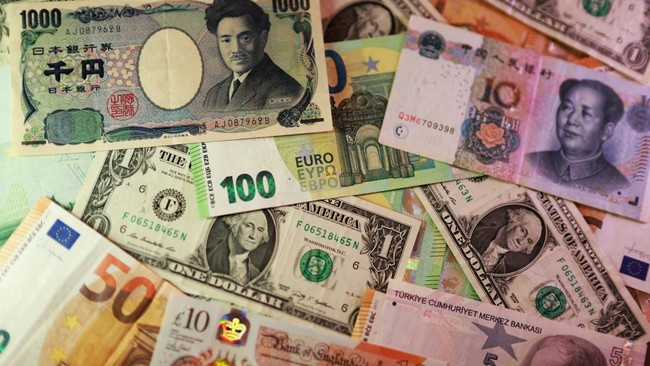
Geopolitical dynamics in the Middle East have once again intensified, directly impacting foreign exchange markets at the start of the week. The shift in tension towards military escalation between Israel and Lebanon has driven global investors to seek safe-haven assets, leading to an appreciation of the US dollar. Consequently, most major Asian currencies, according to Refinitiv data, faced depreciation pressure during Monday’s (1/6/2026) trading, correlating with the DXY index rising to 99.052, a 0.15% increase. The regional currency weakness is directly linked to the surge in global crude oil prices. Brent crude has climbed to $93 per barrel, placing double pressure on Asian nations that are net energy importers. The rise in oil prices directly increases the demand for US dollar liquidity to finance fuel imports, ultimately pressuring domestic exchange rates. This energy cost surge also revives the risk of imported inflation, posing challenges to regional economic stability. Foreign capital flows have begun to retreat from risky assets in emerging markets, shifting towards more stable liquid instruments. Israel’s military ground operations into southern Lebanon have dampened market expectations of conflict de-escalation, previously hoped for through Washington mediation. These obstacles to a peace agreement are forcing investors to reposition portfolios to anticipate prolonged market volatility. On the other hand, the US dollar’s strength is bolstered by speculation over global monetary policy prospects. Persistent energy inflation due to security threats to commodity supply routes in the Strait of Hormuz has led market participants to project that high interest rates will be maintained for longer. The combination of geopolitical uncertainty and sectoral inflationary pressures has created an unfavourable environment for Asian currencies, demanding heightened caution from market participants in managing exchange rate risks.