
World Nuclear Association: Southeast Asia Plans 37 GW of Nuclear Power by 2050
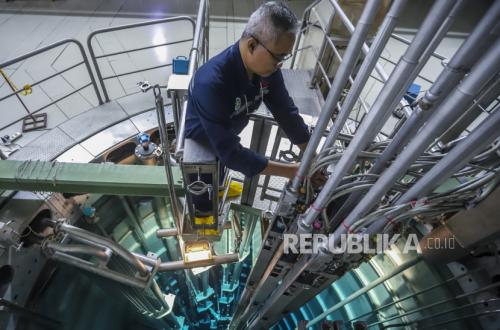
JAKARTA — Southeast Asia is considered one of the regions best placed to develop nuclear energy. Surging electricity demand, reliance on imported fuels and decarbonisation pressures have led nuclear power to be viewed as an important part of the region’s future energy mix.
World Nuclear Association (WNA) Director General Sama Bilbao y León said planned nuclear generating capacity in Southeast Asia by 2050 stood at around 37 gigawatts (GW). That is roughly a quarter of the total nuclear capacity ambitions of newcomer countries worldwide.
She said she was optimistic about Southeast Asia’s readiness to adopt nuclear energy. “Frankly, I think there are very few regions in the world that are better prepared to succeed in harnessing nuclear energy,” Sama said in an interview with Singapore International Energy Week (SIEW) 2026 in the middle of last week, referring to the WNA’s newly released World Nuclear Outlook report.
Nuclear power is practically absent from Southeast Asia’s energy mix at present. Yet electricity demand continues to surge alongside economic growth, the expansion of data centres and rising cooling needs. Reliance on imported fuels also leaves the region vulnerable to supply disruptions and price shocks.
Vietnam, Indonesia, the Philippines and Thailand have set nuclear targets, while several other countries are still assessing its role. Sama said the region’s key advantages included its industrial capacity and track record of completing major infrastructure projects on time and within budget. “The conditions for successful growth in nuclear energy are already there,” she said.
Nevertheless, Sama said there was still much work to do. Newcomer countries need to formulate policies, establish regulatory infrastructure, and prepare their workforces and industrial capabilities. The good news, she said, is that much of this can be done in parallel while governments finalise legal frameworks and assess technology options.
Sama encouraged ASEAN countries to develop nuclear regulation, industry and workforce capabilities collectively. She also recommended treating nuclear power as a national, or even regional, programme rather than a series of individual projects, to achieve efficiency and economies of scale more quickly.
She stressed that energy was not a supplementary sector but a driver of the economy. The value of nuclear power should therefore be measured by its social benefits: abundant, affordable, round-the-clock and carbon-free energy access.
In increasingly interconnected energy systems, nuclear power does more than supply electricity: it also supports grid stability, inertia, and frequency and voltage regulation. This could help lower prices while making the system more resilient. Technology options range from large reactors to small modular reactors (SMRs).
Nuclear power also produces heat and steam for industry. “As these countries seek to move away from fossil fuels and coal, nuclear energy can play a very important role in powering these facilities,” Sama said.
Source: jawawa.id (https://jawawa.id/newsitem/world-nuclear-association-southeast-asia-plans-37-gw-of-nuclear-power-by-2050-1792983040)
Originally published by Republika (https://ekonomi.republika.co.id/berita/tnhr6k475/world-nuclear-association-asia-tenggara-rencanakan-37-gw-nuklir-hingga-2050), translated from Indonesian