
World Mental Health Day on 10 October: Its History and Significance
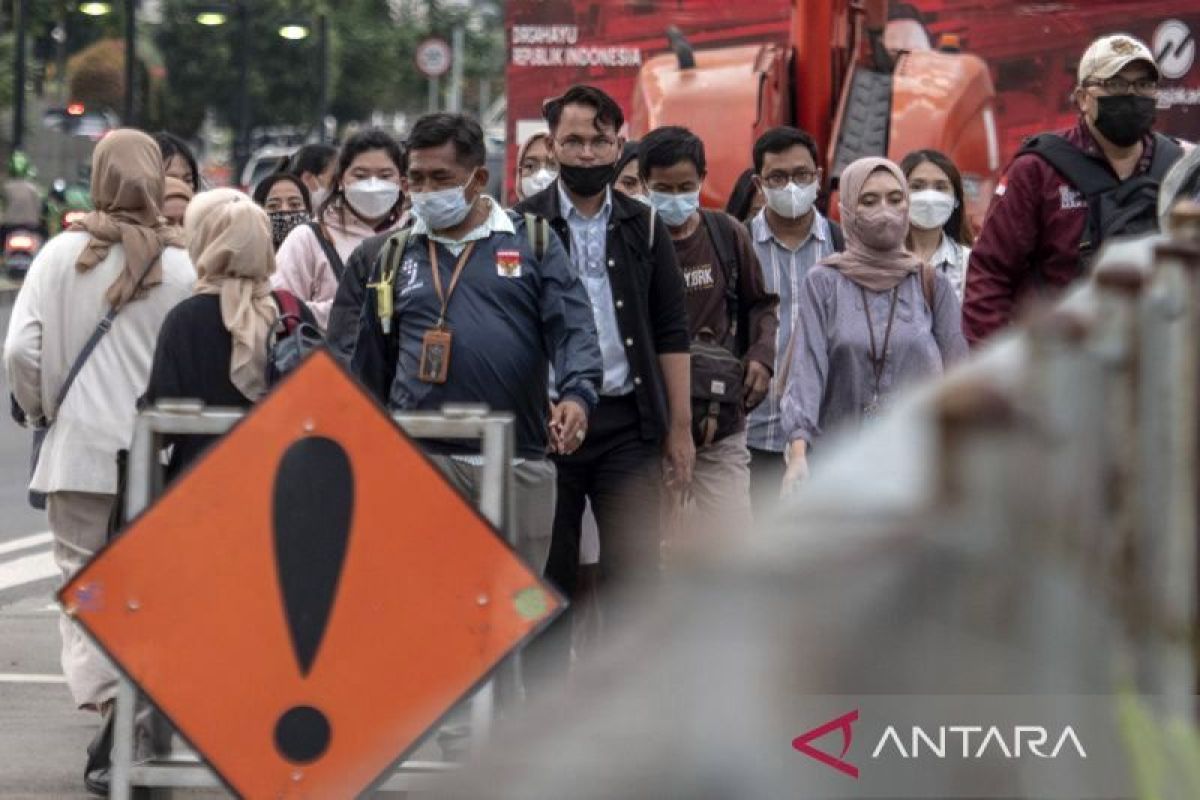
Jakarta (ANTARA) - Mental health is a vital component of daily life, yet the issue is still frequently trivialised and discussed with stigma.
Consequently, 10 October is observed as World Mental Health Day to increase awareness and encourage attention towards mental health across various nations. This commemoration serves as a momentum to remind the public that mental health is just as important as physical health. Beyond raising awareness, the observance also encourages efforts to ensure that individuals with mental health issues receive adequate support and proper services.
History of World Mental Health Day
World Mental Health Day was first observed on 10 October 1992, following an initiative by the World Federation for Mental Health (WFMH). Since then, the date has become a pivotal moment to increase attention to mental health issues worldwide. The World Health Organization (WHO) subsequently supported and established the observance as a global momentum to raise awareness regarding mental health and to encourage various parties to take concrete steps.
The primary objective is not merely to commemorate a date on the calendar. World Mental Health Day provides an opportunity for governments, organisations, healthcare professionals, communities, and the public to discuss mental health issues and reassess unmet service needs.
Theme for World Mental and Health Day 2026
For 2026, World Mental Health Day adopts the theme “Lived experiences heard: real voices, real change”. This theme places individuals with direct experience of mental health issues as essential participants in the formation of policies and services. The WHO encourages that their experiences are not only heard but also influence decision-making, service design, and the evaluation of mental health systems.
The WHO also highlights the importance of developing community-based mental health services. This approach is expected to ensure that people with mental health issues continue to receive care that is oriented towards individual needs, human rights, and integration within society.
Why must mental health be prioritised?
Mental health issues remain a major global challenge. The latest WHO data published in September 2026 shows that almost one in seven people in the world lives with a mental disorder. In 2023, this number was estimated to reach approximately 1.2 billion people.
Anxiety and depression are the two most commonly found mental disorders. The WHO also emphasises that various effective prevention and treatment options are actually available, yet most people with mental disorders have not received effective services.
Challenges facing young people
Attention to mental health is also crucial for children and adolescents. The WHO estimates that one in seven children aged 10 to 19 experiences a mental health condition. Anxiety, depression, and behavioural disorders are common conditions found in this age group. The WHO notes that mental health conditions during adolescence can affect education, social relationships, physical health, and life in adulthood.
Therefore, support from families, schools, peer environments, and healthcare services is a vital part of maintaining the mental health of young people. Efforts to recognise problems early can also assist individuals in obtaining appropriate help.
Objectives of World Mental Health Day
In general, the 10 October commemoration aims to increase public awareness regarding mental health issues and to mobilise various parties to provide support. The WHO also emphasises that mental health is a right for every person. Society has the right to access services that are available, accessible, high-quality, and respectful of individual dignity and rights.
This observance also serves as a reminder that maintaining mental health is not solely the responsibility of healthcare professionals. Families, schools, workplaces, communities, and governments all play a role in creating environments that support mental well-being. Ultimately, World Mental Health Day is not just about discussing mental disorders. This momentum also invites society to reduce stigma, be more open to listening to the experiences of others, and ensure that those in need receive the appropriate support and services.
Source: jawawa.id (https://jawawa.id/newsitem/world-mental-health-day-on-10-october-its-history-and-significance-1791281107)
Originally published by Antara (Indonesian) (https://www.antaranews.com/berita/5773517/hari-kesehatan-mental-sedunia-10-oktober-ini-sejarahnya), translated from Indonesian