
World Food Prices Soar to Highest Since Late 2022
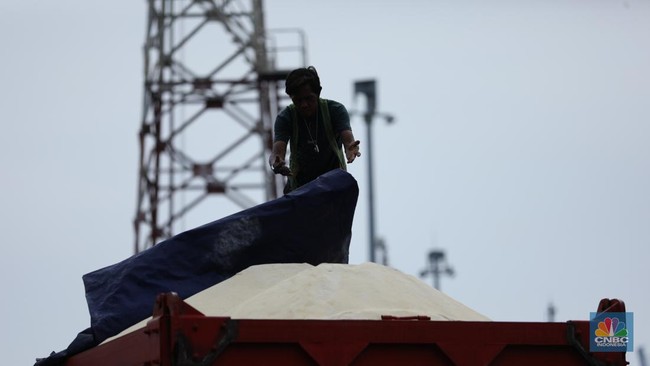
World food prices have risen again and touched their highest level since late 2022. Pressure is coming simultaneously from extreme weather, the threat of El Niño, and trade disruptions caused by geopolitical conflict.
Based on data from the Food and Agriculture Organization (FAO), the FAO Food Price Index reached 133.3 points in August 2026, up from 130.8 points in July. That level is the highest since November 2022, although still around 17% below the record of 160.2 points in March 2022. The FAO index measures monthly changes in international prices of five major food commodity groups.
The August increase was fairly broad-based. FAO noted that the price indices for cereals, vegetable oils, sugar, meat and dairy products all recorded increases.
FAO assesses that the current price pressure is driven by a combination of supply disruptions. Heatwaves and drought in Europe are weighing on production prospects for maize and sugar beet, while the threat of El Niño is raising concerns over palm oil and sugar production in Asia.
At the same time, trade disruptions from the Black Sea region due to the Russia-Ukraine war are again limiting grain shipments. Conflict between the United States and Iran is also adding pressure on fertiliser supply chains and agricultural production costs.
Throughout 2026, food price pressure has also become increasingly broad. The vegetable oil price index is the highest among the five groups, while sugar recorded a sharp spike heading into August. Cereals, meat and dairy products are also strengthening, although their increases are more limited.
The FAO cereal price index rose 2.2% month-on-month in August and reached its highest level since May 2024. Wheat prices also increased by around 15% year-on-year, mainly due to disruptions to export flows from the Black Sea region.
Meanwhile, the vegetable oil price index rose 0.6% and reached its highest level since June 2022. The increase reflects supply concerns, including the risk of El Niño on palm oil production in Asia.
The sharpest spike occurred in sugar. The FAO sugar price index jumped 11.9% in August and reached its highest level since June 2025, driven by declining production in Brazil’s main producing regions and weather concerns in Europe and Asia.
FAO also cut its projection for global cereal production in 2026 by 3.4 million tonnes to 2.98 billion tonnes. That figure is about 2% lower than in 2025 and represents the largest annual decline since 2018, although it is still the second-largest production on record.
The projection for global cereal stocks at the end of the 2026/2027 season was also lowered by 1.1% to 947.2 million tonnes. The downward revision in stock projections indicates that supply buffers are starting to thin while weather and geopolitical risks remain high.
This means the current rise in world food prices is not coming from just one commodity. Extreme weather, El Niño, war and trade disruptions are occurring simultaneously, so the risk of food price pressure remains open in the coming months.
For Indonesia, these conditions need to be watched closely, especially for commodities that still depend on imports, such as wheat and sugar. Higher international prices could increase raw material costs for the food and beverage industry, which may ultimately be passed on to domestic consumer prices.
Source: jawawa.id (https://jawawa.id/newsitem/world-food-prices-soar-to-highest-since-late-2022-1788706256)
Originally published by CNBC Indonesia (https://www.cnbcindonesia.com/research/20260906150429-128-765513/harga-pangan-dunia-meledak-tertinggi-sejak-akhir-2022), translated from Indonesian