
World Faces Aluminium Crisis, China Arrives as Both Hero and Overlord
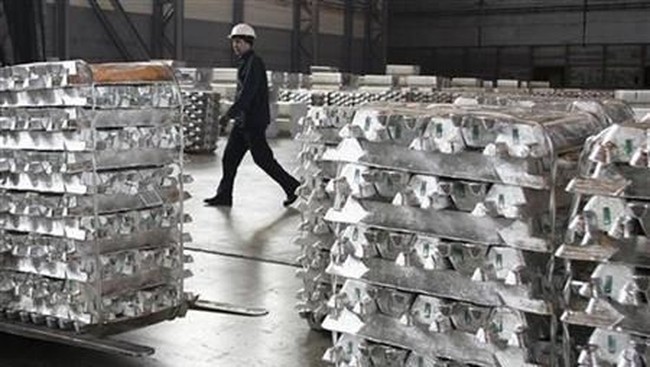
China is now helping to dampen the global aluminium supply shock after the Iran war disrupted production in the Gulf region.
However, behind the additional supply, a shift is emerging that could benefit China in the long term while making Western industry increasingly dependent on the Bamboo Curtain country.
As the world’s largest aluminium producer, China has room to increase exports. Domestic production remains high while domestic demand is weakening.
In the first half of 2026, China’s aluminium alloy exports nearly doubled to 238,500 tonnes. Meanwhile, exports of semi-finished aluminium products rose 18% to 3.2 million tonnes. In June alone, shipments of semi-finished products reached a monthly record of 695,000 tonnes.
The export surge helped cover part of the supply shortfall after aluminium production in the Gulf region was disrupted by the war. However, the change is not simply about rising export volumes.
China is not merely replacing the primary aluminium lost from the Gulf region. Products such as alloys, rods, wire and tubes allow consumers to buy aluminium that has already undergone further processing.
This means the need for raw aluminium in other countries is also reduced. At the same time, more aluminium processing activity could potentially shift to China.
This condition matters because Western industry has for years been trying to reduce its dependence on Chinese aluminium products. A number of countries have even imposed anti-dumping tariffs on various derivative products.
The composition of China’s aluminium exports is also influenced by its tax structure.
Primary aluminium is subject to a 30% export tax, while aluminium alloys and semi-finished products can be exported at zero tariff. This structure makes exports of processed aluminium products far more attractive.
Beijing had previously sought to curb the export flow. In December 2024, China removed the 13% value-added tax rebate for aluminium product exports. After that policy, semi-finished product exports fell 18% to around 890,000 tonnes in 2025.
However, the Iran war changed the situation again. When supply from Western countries was disrupted and China’s domestic demand weakened, the export market reopened.
China’s domestic aluminium demand barely grew in the first half of 2026.
According to Citi analysts, the demand index based on end-user sectors even fell 0.4% year-on-year, mainly due to the weak construction sector.
On the other hand, China’s primary aluminium production actually rose 2.2% in the same period, according to the International Aluminium Institute.
The combination of high production, weak domestic demand and still-available export capacity allows China to act as a buffer for the global aluminium market.
The additional supply from China has also helped calm the aluminium market on the London Metal Exchange (LME).
The three-month aluminium price, which had reached US$3,787.50 per tonne, or around Rp 67.51 million (US$1 = Rp 17,825), in early June 2026, fell to around US$3,270 per tonne (Rp 58.29 million). That level is only about US$100 higher than the price before the US and Israel attacked Iran on 28 February.
This means smoother supply has been able to ease price pressure even though aluminium production in the Gulf region has been disrupted.
This is where a bigger problem emerges.
The longer Western countries rely on Chinese aluminium products to overcome supply shortages, the greater the likelihood that aluminium processing activity will also shift to China.
In other words, China is not only selling more aluminium, but also potentially controlling a larger share of the process that turns raw aluminium into ready-to-use products.
For Western industry, this dependence could become a new problem when geopolitical conditions change again.
The Iran war may have created an urgent need for aluminium supply. However, the quickest solution could potentially strengthen the position of the very country whose dependence the West has been trying to reduce.
China is helping the world overcome today’s aluminium shortage. However, the longer that help is needed, the greater the potential dependence that Western industry will have to face in the future.