
World Elephant Day 2026: Safeguarding the Existence of Nusantara's Elephants
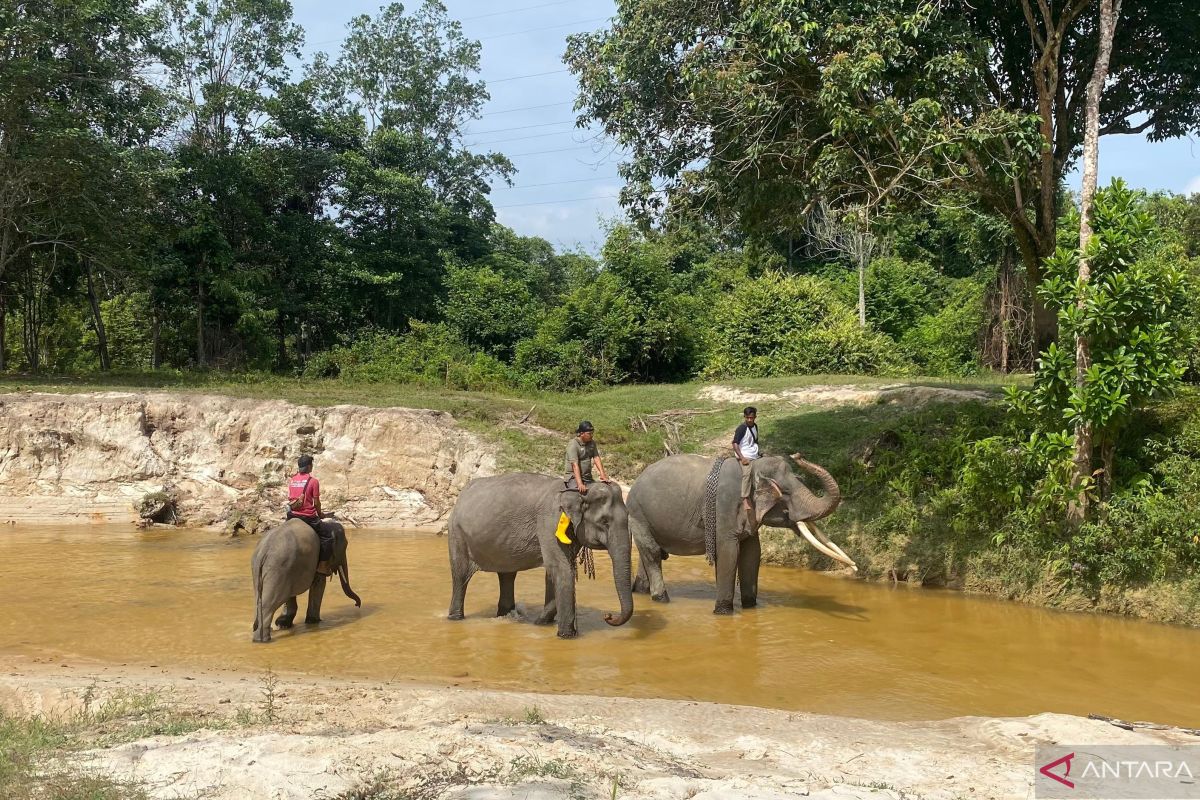
The term ‘online child’ or ‘online kid’ is usually applied to human babies who grow up with their development witnessed by netizens through phone screens. However, the online child now attracting attention is a baby elephant named Domang, born on 2 December 2021 in Tesso Nilo National Park (TNTN).
Through the social media of the Tesso Nilo National Park Office, netizens have watched Domang the baby elephant grow and develop, with all his amusing antics. He has become one of the most well-known ‘online elephant celebrities’ in the archipelago.
Domang’s fame has also increased public attention towards one of Indonesia’s protected animals that is now in a critically endangered condition, namely the Sumatran elephant (Elephas maximus sumatranus) and the Bornean elephant, which is a subspecies of the Asian elephant (Elephas maximus).
All elephant species in Indonesia are now listed on the International Union for Conservation of Nature (IUCN) Red List in the category of threatened with extinction in the wild.
According to data from the Ministry of Forestry (Kemenhut), there are currently around 21 elephant pockets remaining on the island of Sumatra, with a population of approximately 1,100 individuals as of July 2026. This figure has dropped drastically from 42 pockets with an estimated population of 2,400–2,800 individuals in 2007.
Meanwhile, on the island of Borneo, an estimated 30–80 elephants are recorded as being within Indonesian territory.
In light of these facts, World Elephant Day 2026, which is commemorated every 12 August, can serve as a momentum to intensify efforts to save and increase the population of Indonesia’s largest mammal.
A number of factors still pose threats to these ‘forest farmers’, ranging from the shrinking of their roaming space due to forest conversion into oil palm plantations to the construction of highways and settlements that do not take elephant roaming routes into account.
When populations are fragmented into small groups, the risk of inbreeding increases. In the long term, this condition can reduce genetic diversity, increase the risk of abnormalities in newborn elephants, and weaken their immune systems.
Not only development, but illegal hunting also remains a threat. There is still a belief that elephant ivory has health benefits, so this animal body part remains one of the commodities traded on the international black market.
Source: jawawa.id (https://jawawa.id/newsitem/world-elephant-day-2026-safeguarding-the-existence-of-nusantaras-elephants-1786503204)
Originally published by Antara (Indonesian) (https://www.antaranews.com/berita/5690251/hari-gajah-2026-jaga-eksistensi-gajah-nusantara), translated from Indonesian