
World Cotton Day 7 October: History, Objectives, and Facts
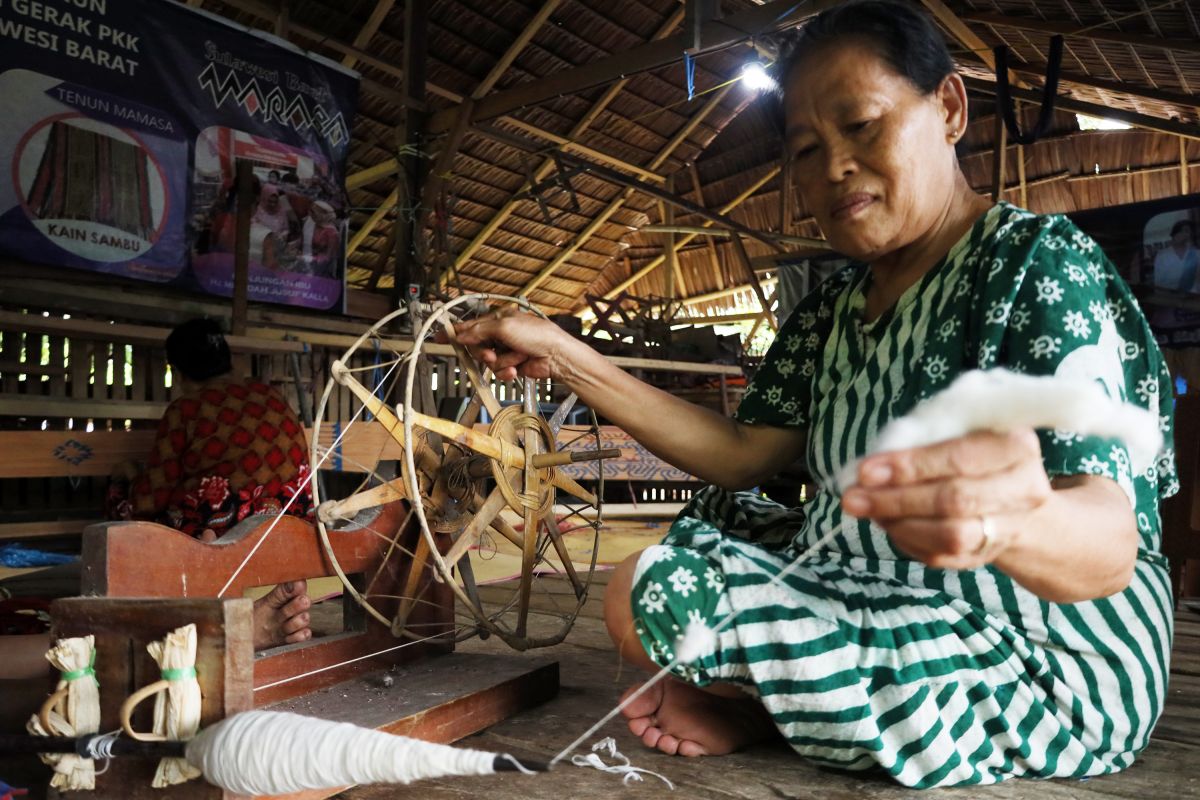
Jakarta (ANTARA) - Every 7 October, the world commemorates World Cotton Day. This observance is not merely related to the fabric used in everyday clothing, but also highlights the role of cotton in the lives of millions of farmers, workers, families, and the economies of numerous developing nations.
Cotton is one of the essential natural fibres in the textile industry. The material is used for various needs, primarily clothing, household textiles, and several industrial products.
So, what is the history of World Cotton Day and what are the objectives of its commemoration? Here is the explanation.
History of World Cotton Day
The idea of commemorating World Cotton Day began in 2019. At that time, four cotton-producing African nations, known as the Cotton Four or C-4—namely Benin, Burkina Faso, Chad, and Mali—proposed a global observance for cotton.
The proposal subsequently gained support through activities organised at the World Trade Organization (WTO) on 7 October 2019. The celebration was conducted alongside the WTO, the Food and Agriculture Organization of the United Nations (FAO), the United Nations Conference on Trade and Development (UNCTAD), the International Trade Centre (ITC), and the International Cotton Advisory Committee (ICAC).
Two years later, specifically on 30 August 2021, the UN General Assembly adopted Resolution A/RES/75/318, officially designating 7 October as World Cotton Day.
Since then, 7 October has become an international momentum to increase attention towards the cotton sector, ranging from farmers and workers to the trade and industries that process the commodity.
This commemoration has several important objectives. One of them is to raise public awareness regarding the challenges and opportunities faced by the cotton sector, including issues of production, trade, and processing.
World Cotton Day also encourages the creation of more open, fair, efficient, and sustainable cotton trade. This is a particular concern for developing countries that rely on cotton commodity for their people’s income.
Furthermore, the observance provides an opportunity to promote the development of a sustainable cotton sector while increasing the added value of products. Cotton is viewed not just as a raw material, but as part of a production chain that can create jobs and increase community income.
Cotton sustains millions of people
Behind the cotton clothing used daily, there is a production chain involving many people. The FAO notes that cotton supports approximately 24 million farmers and benefits more than 100 million families in various countries.
Cotton also serves as a source of employment and income for millions of smallholder farmers and workers, including women. The FAO notes that women are estimated to contribute about 43 per cent of the workforce in cotton production.
FAO data also shows that global cotton production in 2024 is expected to reach approximately 26 million tonnes, with over 9 million tonnes traded globally. The value of global cotton production is estimated to reach more than 75 billion USD per year.
For the 2026/2027 season, the World Trade Organization (WTO) notes that global cotton production is projected to reach 25.9 million tonnes, while consumption is expected to be around 25.2 million tonnes. Global cotton trade is projected to reach 9.6 million tonnes.
Despite its significant economic role, the cotton sector also faces several challenges. Weather changes, supply chain disruptions, competition from synthetic fibres, and changing consumer preferences are several issues that need attention.
The FAO notes that cotton’s share in global fibre consumption continues to decline. In the 1960s, cotton held a share of about 60 per cent, whereas in 2024, that figure has dropped to around 22 per cent due to the increased use of synthetic fibres.
Therefore, World Cotton Day serves as a momentum to encourage innovation, increase productivity, strengthen the position of farmers and workers, and develop cotton processing to provide greater economic value.
In 2026, the World Cotton Day commemoration is scheduled to take place on 7 October in Tashkent, Uzbekistan. The agenda is aimed at increasing attention to the cotton sector, encouraging investment in African cotton, and discussing the challenges of climate change on the commodity.
World Cotton Day is ultimately not just a commemoration of the material used in clothing. This momentum reminds us that cotton has a long life chain, starting from farmers in the fields, workers and processors, to the textile industry and consumers. Therefore, the sustainability of the cotton sector is also linked to the welfare of society and global trade.