
World Bank: 20% of Indonesia's Wealthiest Enjoy Half of Fuel Subsidies
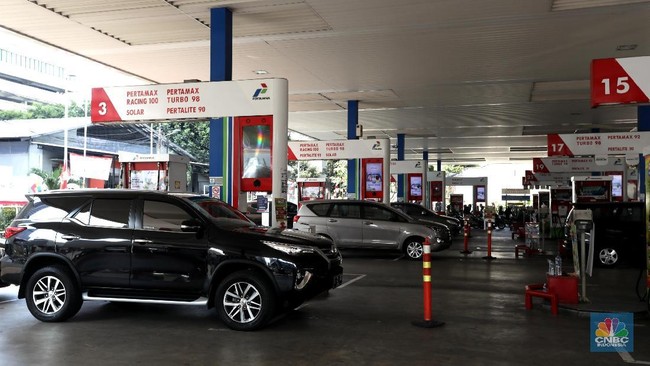
The World Bank has found that the richest 20% of Indonesian households receive more than half of the nation’s fuel subsidy benefits. In its June 2026 Economic Prospects report, the institution stated that reforming fuel subsidies could transform the post-shock fiscal response into a more sustainable adjustment if integrated into a broader ‘national pact’.
‘Fuel subsidy reform can turn a post-shock fiscal response into a more sustainable adjustment if integrated into a broader national pact,’ the World Bank wrote. ‘The recent oil price surge has once again exposed the fiscal costs and generally poor targeting of fuel subsidies: the richest 20% of households receive more than half of the benefits.’
The World Bank proposes a credible reform package combining three elements. First, a pre-announced gradual price adjustment to narrow the gap between subsidised and market prices. Second, targeted cash transfers to the poorest 40% of households to fully offset welfare impacts, with a moderate fiscal cost. Third, transparent reallocation of savings towards social protection, public investment, and livelihood support for affected groups.
‘Fiscal savings from this approach would increase over time—estimated at 1.3% of GDP over the first two years, rising to 2.1% once prices fully adjust,’ the World Bank stated. It added that implementation principles are equally important: gradualism, clear public communication, readiness of delivery systems through the DTSEN social registry, and transparent accounting of how savings are reinvested will build the trust needed to sustain reform.