
Workers at the Crossroads of the Fourth Industrial Revolution
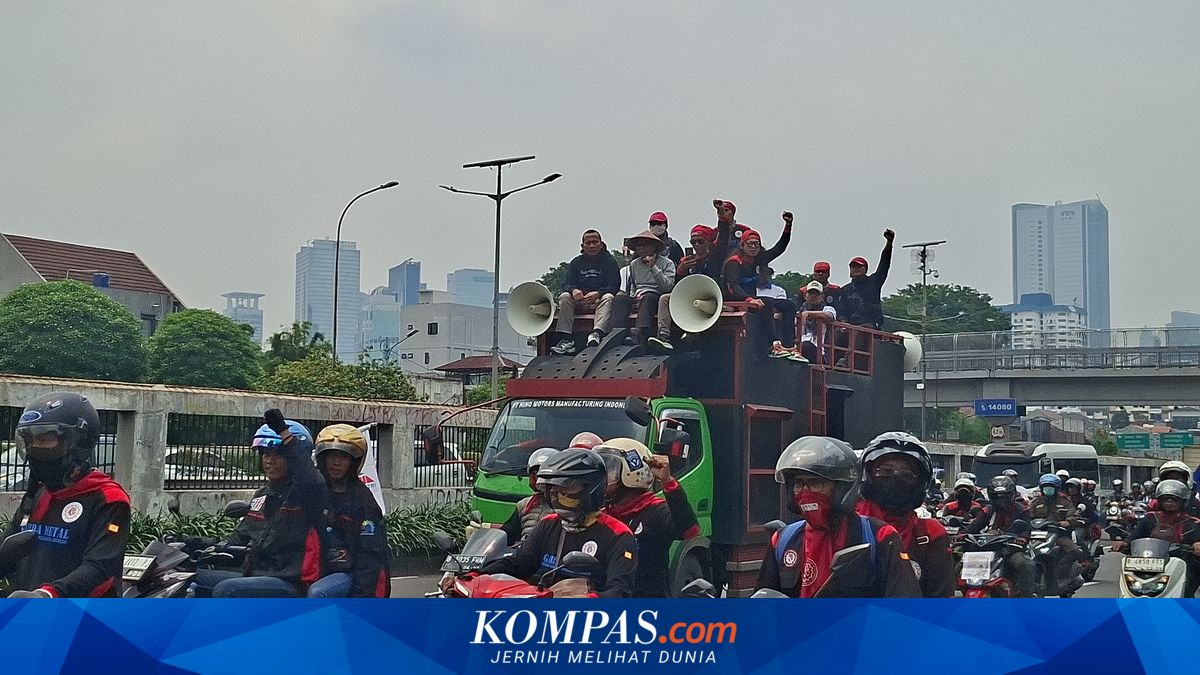
In recent years, the narrative surrounding the Fourth Industrial Revolution has dominated national development discourse. Digitalisation, automation, artificial intelligence, and the Internet of Things are positioned as new engines of economic growth. The state, business world, and even educational institutions are racing to adapt to the demands of this fast-paced, technology-driven era. However, amid this euphoria, one fundamental question has received insufficient serious attention: where do workers stand in this new landscape? Furthermore, how is the concept of labour transformation designed so that they are not merely victims of change, but primary subjects who help determine the direction of industrialisation? This question is important, because history shows that every major leap in industrial revolutions has always brought significant social consequences. The First Industrial Revolution gave birth to mass labour exploitation. The Second strengthened the structure of industrial capitalism. The Third, with early digitalisation, began to shift certain types of jobs. Now, the Fourth Industrial Revolution presents even more complex challenges. It is not just replacing human labour, but also redefining the meaning of work itself. The Fourth Industrial Revolution is marked by the integration of digital technology into all production processes. Automation based on intelligent machines makes many manual jobs obsolete. In the manufacturing sector, for example, the use of industrial robots has significantly reduced the need for repetitive labour. In the services sector, artificial intelligence is beginning to take over administrative, analytical, and even creative functions. For workers, this situation creates two layers of vulnerability. First, structural vulnerability due to job loss (job displacement). In many cases, workers do not lose jobs because they are unwilling to work, but because the system does not give them the opportunity to adapt.
Source: jawawa.id (https://jawawa.id/newsitem/workers-at-the-crossroads-of-the-fourth-industrial-revolution-1777625602)
Originally published by Kompas (https://nasional.kompas.com/read/2026/05/01/14360001/buruh-di-persimpangan-revolusi-industri-4.0?utm_source=ABC&utm_medium=rss), translated from Indonesian