
Wooden fish and smoked fish now eligible for Warehouse Receipt System, says KKP
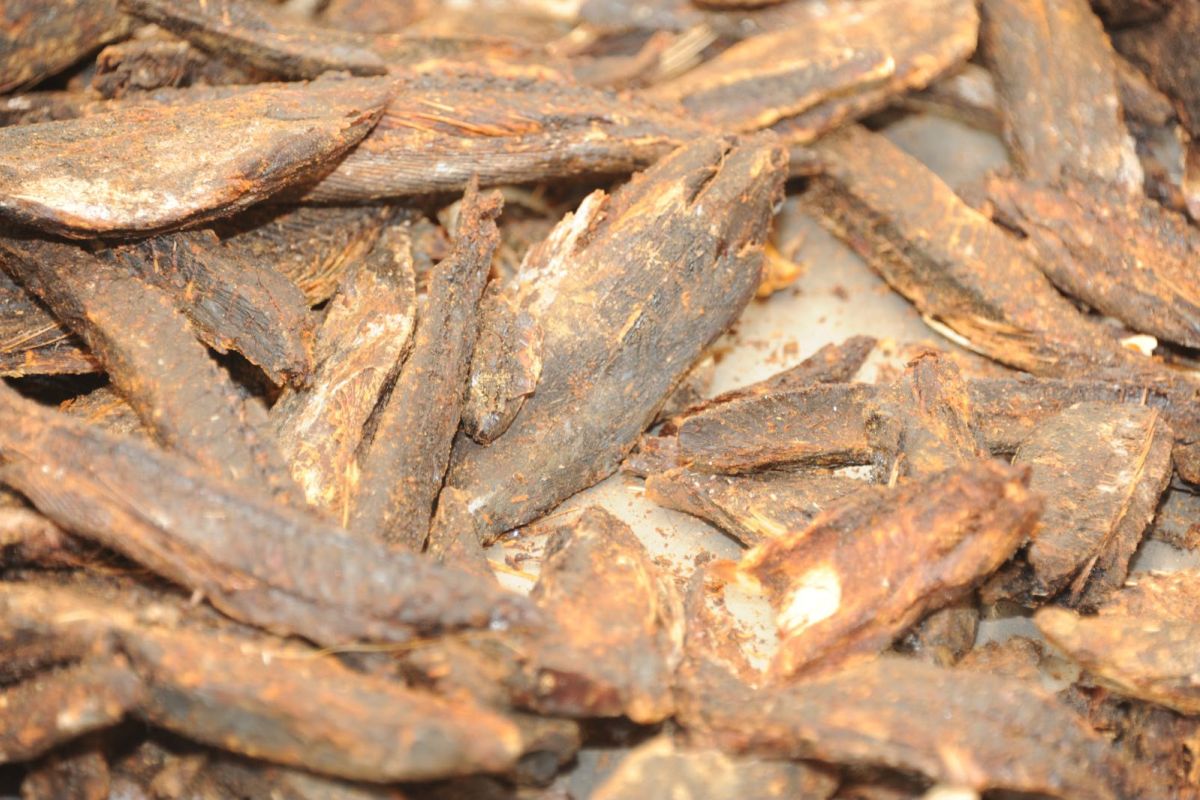
The Ministry of Marine Affairs and Fisheries (KKP) has stated that wooden fish and smoked fish are now officially commodities eligible for the Warehouse Receipt System (SRG), following their inclusion in the list of marine and fisheries commodities under Trade Minister Regulation Number 14 of 2026. Acting Director General for Strengthening the Competitiveness of Marine and Fisheries Products at KKP, Erwin Dwiyana, said the inclusion of these two processed products in the SRG will provide business operators with flexibility in managing their production output whilst expanding access to financing. “The inclusion of wooden fish and smoked fish in the Warehouse Receipt System is good news for business operators. Products do not have to be sold immediately when prices are unfavourable, but can be stored and used as collateral to obtain business capital,” Erwin said in a statement in Jakarta on Tuesday. He added that the utilisation of the SRG is expected to help business operators maintain price stability, manage stock more effectively, and strengthen the sustainability of fisheries businesses. Erwin noted that the scheme is also expected to support the implementation of various KKP priority programmes, including the Kampung Nelayan Merah Putih, thematic aquaculture development, the strengthening of Koperasi Desa/Kelurahan Merah Putih (KDKMP), and the UMKM Naik Kelas programme. “The success of priority programmes is determined not only by increased production and infrastructure development, but also by the ability of business operators to manage stock, maintain product quality, obtain working capital, and determine more profitable selling times,” he said. Meanwhile, Achmad Al Farisi, Director of Infrastructure and Facilities at the Directorate General of PDSPKP, explained that wooden fish is a processed product with economic value used, among other things, as raw material for katsuobushi, which are fish shavings widely used as a complement in various Japanese dishes such as takoyaki, okonomiyaki, udon, and ramen. Smoked fish, on the other hand, is a fishery product preserved through a smoking process, with or without salting, giving it a longer shelf life and higher added value compared to fresh fish. Achmad said that with the inclusion of these two products, the list of marine and fisheries commodities eligible for the SRG has grown. “Previously, commodities already included in the SRG scheme included marine fish, seaweed, salt, carrageenan, agar, and flying fish eggs,” he said. According to KKP data, as of the first quarter of 2026, there were 45 SRG warehouses for marine and fisheries commodities, comprising 25 fish commodity warehouses, 10 seaweed warehouses, two carrageenan warehouses, and eight salt warehouses. Achmad added that the government will continue to encourage the expansion of SRG warehouses, strengthen the capacity of managers, ensure quality standards, and improve connections with financial institutions to optimise the use of the SRG for the marine and fisheries sector.