
Wood Waste on Bali's Beaches Now a Product for Export
High volatility is likely to continue until the end of May.
Wood waste carried by ocean currents and accumulating on Bali’s shores has long been considered unsightly litter. However, for Wayan Sudira, this driftwood represents an opportunity to build a business and create jobs.
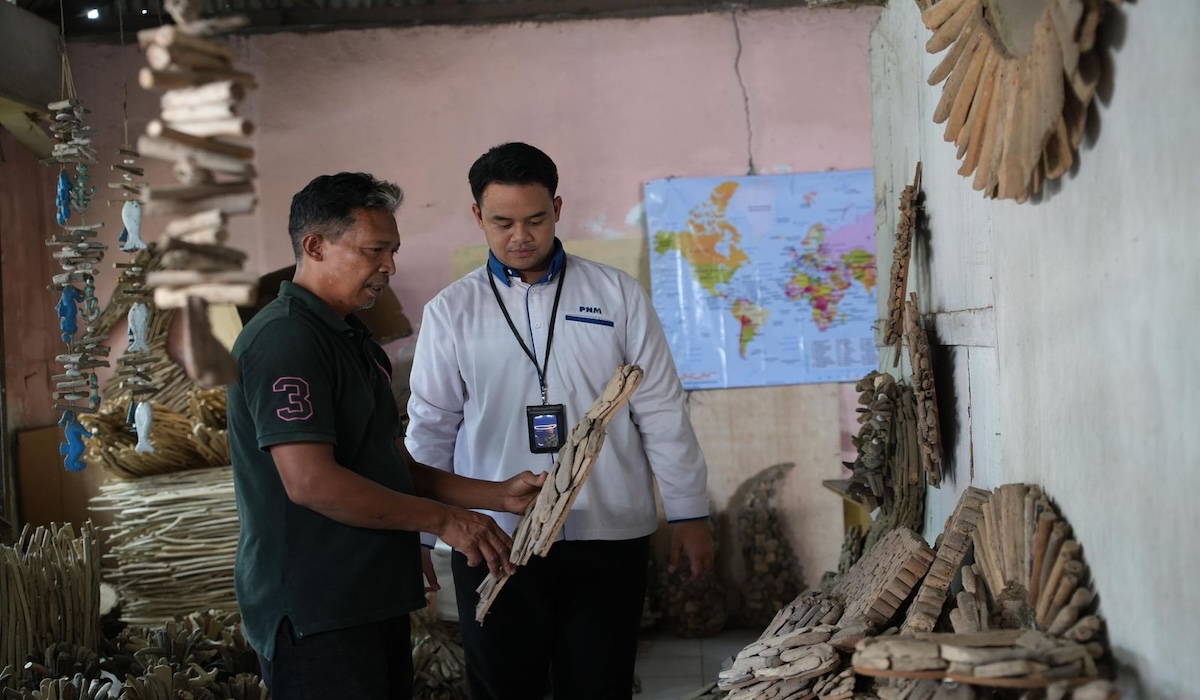
Through his craft enterprise, Ulu Sari Handicraft, Wayan transforms marine wood waste into various marketable products. The business has grown in line with efforts to reduce coastal waste and promote the use of more environmentally friendly recycled materials.
Since becoming a customer of the PNM ULaMM program in 2017, Wayan has gained access to financing and business support. This assistance has helped him develop his business to the point where he now has two workshops located in Singaraja and Tegallalang.
The enterprise also employs dozens of workers, some of whom come from the local community, including former employees who lost their jobs during the Covid-19 pandemic.
Amidst a period when micro-enterprises were struggling due to the pandemic, demand for Wayan’s craft products actually increased from overseas markets. His products are now regularly shipped to several countries such as New Zealand, Australia, France, Belgium, the Netherlands, Germany, and the United States.
For Wayan, the growth of his business is not only about economic profit but also a way to transform something previously considered waste into a source of livelihood for many people.
“I believe all of this is thanks to God’s will. From discarded wood, it has become a blessing for families, for employees, and for people in the surrounding area. So what we can do is continue to be grateful, maintain trust, and work as best as possible,” said Wayan.
The story of Ulu Sari Handicraft shows how small businesses can grow from addressing environmental issues in their communities. Wood waste that was once beach litter is now processed into economically valuable products, while also creating job opportunities for local residents.
In addition to providing economic benefits, the business also demonstrates that empowering micro-enterprises can go hand in hand with concern for the environment and strengthening local communities. (Mir)
The Minister of Environment, Jumhur Hidayat, stated that the waste problem in Indonesia has reached a serious stage and can no longer be addressed half-heartedly.
A cultural figure from Tasikmalaya City, Ashamansyah Timutiah, said that regional governments have not been optimal in handling household waste and market waste during this time.
The volume of waste in his area has increased to 350 tons per day, and several steps are being taken alternately using trucks to patrol the main roads.
Not only flooding, landslides of garbage heaps are now starting to block access roads and enter residential areas. The waste management carried out at Caringin Market has shown positive steps in implementing a productive processing system.