
Wonokerto Village Cooperative Reaches Rp260 Million in Monthly Turnover: Here’s Its Strategy
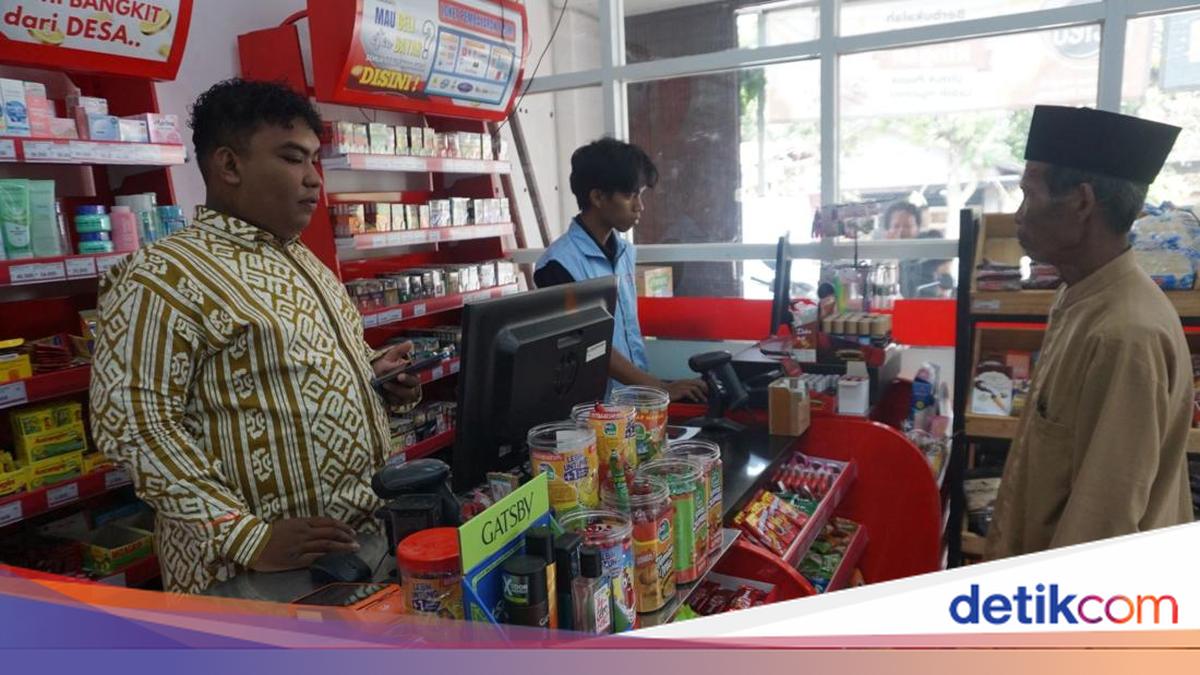
The Wonokerto Village Merah Putih Cooperative (KDMP), in Sukorejo sub-district, Pasuruan regency, East Java, began with limited capital. When it was established in April 2025, it had around 26 members and had collected less than Rp3 million.
The cooperative now operates two businesses: a grocery shop and an agricultural supplies unit. Their combined turnover is around Rp200 million to Rp260 million a month.
The cooperative’s journey began when M. Yusril Suhendra was elected chair of KDMP Wonokerto at a special village meeting on 21 April 2025. At the time, the cooperative set an initial membership contribution of Rp100,000 and monthly dues of Rp10,000.
“When we first started, we had around 26 members, and the funds collected from members amounted to a little under Rp3 million — just over Rp2 million,” Yusril recently told detikcom.
With such limited initial capital, the management did not need to spend money building premises from scratch. KDMP Wonokerto used a multipurpose hall previously built by the village government with village funds. The cooperative began selling goods there in June 2025, and the building has since been converted into a mini-market.
Initially, the business operated gradually and on a modest scale. Lacking enough capital to buy stock, the cooperative worked with suppliers on a consignment basis: goods were supplied first and paid for after they were sold.
“We had no capital, so that was how we did it. Bulog and ID Food supplied rice, sugar, cooking oil and bottled water at the time, and we paid for them when they sold,” Yusril said.
The cooperative also partnered with two ice-cream suppliers, who lent it freezers. The site is close to several schools, including an elementary school, a kindergarten and an Islamic junior secondary school. It began selling everyday goods such as rice, cooking oil, sugar and bottled water, as well as ice cream.
The business expanded rapidly after the cooperative secured financing from the Revolving Fund Management Institution (LPDB). It had applied for Rp1.3 billion, of which Rp864.4 million was approved and disbursed in September 2025. After receiving the funds, the management refurbished and organised the shop with the support of a retail consultant for around 35 days.
At the end of October 2025, the KDMP Wonokerto mini-market began full operations with a modern retail concept. From then on, it expanded its range of goods and trading activity grew substantially.
Yusril said the cooperative’s monthly turnover had been below Rp50 million before it received LPDB financing. With both business units now operating, combined turnover has risen to around Rp200 million–Rp260 million a month.
“Before the LPDB financing, we only sold a few items, so monthly turnover was under Rp50 million. With the financing, we are now at around Rp260 million across the two outlets,” he said.
Yusril said the grocery shop contributed the largest share, as basic necessities were the items most sought after by residents. The mini-market’s current turnover is estimated at Rp7 million–Rp9 million a day, although this varies depending on the goods sold and promotional offers.
More than sales: opening up market access
KDMP Wonokerto’s growth is not reflected in turnover alone. The management is also working to make the shop a meeting point for local products, small traders and consumers.
Small and medium-sized businesses in the area can sell their products through the cooperative. These include pickled mango, character-shaped chocolate, ice lollies, repackaged snacks, salted eggs and banana crisps in various flavours.
One product stocked by the shop is pickled mango made by Anita Kurniawati. She produces it seasonally using mangoes from her own garden, particularly when mango prices are low.
Through the cooperative, Anita is no longer reliant solely on sales to friends and through WhatsApp status updates. Her pickled mango can be offered to customers visiting the shop and promoted through the cooperative’s activities.
The products are supplied on consignment. Anita delivers them to the cooperative and is paid according to the quantity sold. Unsold items are returned after a stock check.
Yusril said the cooperative also promotes small-business products on social media. Some local Wonokerto products have even been taken to exhibitions in Jakarta to broaden their market reach.
Building partnerships with nearby shops
The cooperative mini-market’s arrival initially worried some owners of small shops in the area, who saw it as a potential competitor.
The KDMP management, however, took a different approach. Shop owners were invited to join the cooperative and use it as a wholesale supplier.
Yusril said some nearby shops now buy goods, including LPG, from KDMP. This allows them to resell products to residents at more competitive prices.
“Many residents who own shops objected to the cooperative opening. We addressed that by inviting them to become members. We can then offer them lower prices, allowing the small shops nearby to sell at the same prices as the cooperative,” he said.
According to Yusril, this arrangement also helps residents obtain LPG at a lower price. Before the cooperative opened, residents reportedly paid around Rp20,000–Rp21,000 for a 3kg cylinder. The price at the cooperative is now around Rp18,000.
As well as serving as a place for residents to shop, KDMP supplies agricultural inputs such as fertiliser and pesticides. Previously, farmers had to buy these supplies outside the village and, in some cases, outside the sub-district.
Through the agricultural supplies unit, farmers can obtain what they need closer to home. Some suppliers also provide guidance on how to use their products and the appropriate dosage for crops, including mango trees.
Expanding market access through social media
KDMP Wonokerto’s management does not rely solely on the shop’s location to attract customers. It uses TikTok, Instagram and WhatsApp for promotion and communication with the community.
Its content follows social-media trends while promoting the cooperative’s products and services. The items most frequently advertised include rice and cooking oil priced in line with the government’s maximum retail price (HET).
The cooperative also uses social media to publicise promotions and prize draws, and to offer a complaints channel linked to the cashier, chair and secretary. Its TikTok account is said to have more than 400 followers and nearly 50 posts.
The cooperative is also developing a membership card with a barcode system. Members’ transactions can be recorded in a database and converted into points, which can later be redeemed through an end-of-year rewards programme.
Despite its turnover growth, KDMP Wonokerto still faces several challenges, including a shortage of workers. Management says it has not recruited widely because operating costs and wages still depend on the cooperative’s income.
To keep operations running, the management has engaged retail and financial-reporting consultants. A till system is used to monitor stock movements, while stocktakes are carried out regularly.
KDMP Wonokerto plans to develop new businesses, including catfish or tilapia farming. The management is also exploring possible cooperation with organisers of the Free Nutritious Meals programme, so that farmed fish or local food products could enter the programme’s food supply chain.
Source: jawawa.id (https://jawawa.id/newsitem/wonokerto-village-cooperative-reaches-rp260-million-in-monthly-turnover-heres-its-strategy-1792032705)
Originally published by detikcom (https://news.detik.com/berita/d-8704438/kopdes-wonokerto-tembus-omzet-rp-260-juta-begini-strateginya), translated from Indonesian