
Women MPs' Participation in Decision-Making Required for a Healthy Democracy
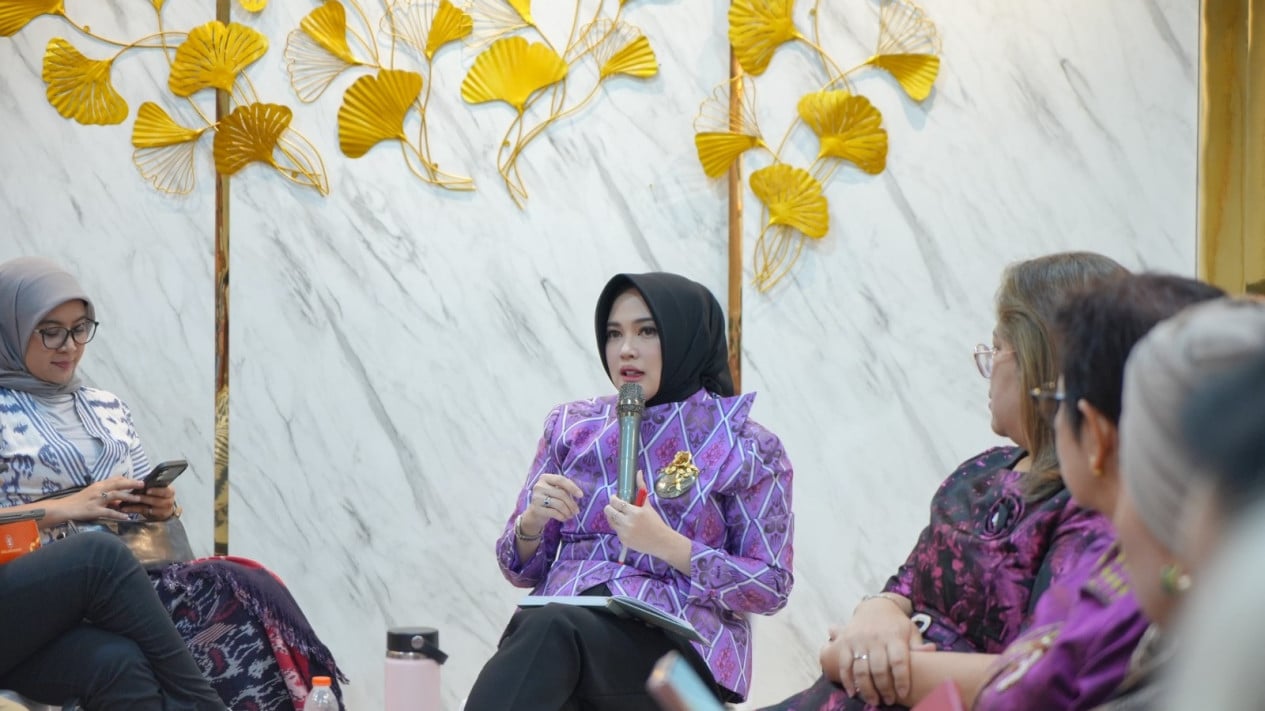
Jakarta, VIVA – The Indonesian Parliament Women’s Caucus (KPPRI) organised the KPPRI 2026 forum as a national dialogue space to strengthen the role of women in parliament in driving policy transformation that is inclusive, gender-responsive, and oriented toward safeguarding society.
The forum adopted the theme “Women in Parliament: From Representation to Policy Transformation.” The theme emphasises that women’s representation in parliament must not stop at numbers and political formalities alone, but must be realised in policies that are real, impactful, and aligned with the interests of the people, especially women, children, families, and vulnerable groups.
“Today the world faces a range of global challenges that are increasingly complex, from conflicts and humanitarian crises, economic inequality, threats of violence against women and children, to challenges of digital transformation and social disruption,” said KPPRI Secretary General Sarifah Ainun Jariyah in a written statement, Friday 22 May 2026.
In this situation, Sarifah said, women have a strategic contribution in building peace, strengthening social cohesion, and bringing a humanitarian perspective to public policy making.
Therefore, according to her, women MPs have a great responsibility to ensure the function of legislation, oversight, budgeting, and parliamentary diplomacy that deliver social justice and protection for the people.
“Forum KPPRI is also a momentum for cross-party, cross-institutional, and cross-national consolidation to strengthen the women’s agenda in national development and world peace,” she said.
Sarifah said the event brings together women members of parliament, ministries and state institutions, women’s organisations, NGOs, academics, international organisations, and representatives of partner embassies.
Through this forum, KPPRI wishes to emphasise several important commitments. First, to promote substantive, impactful women’s representation in the direction of national policy. Second, to strengthen gender-responsive policies in education, health, economy, protection of women and children, democracy, human rights, peace, and sustainable development. Third, to strengthen women’s parliamentary diplomacy in the world peace agenda and humanitarian protection. Fourth, to broaden multi-stakeholder collaboration among parliament, government, civil society, international organisations, media, and the global community to reinforce women’s leadership.