
Women Encouraged to Drive Development, from Public Services to the Digital Economy
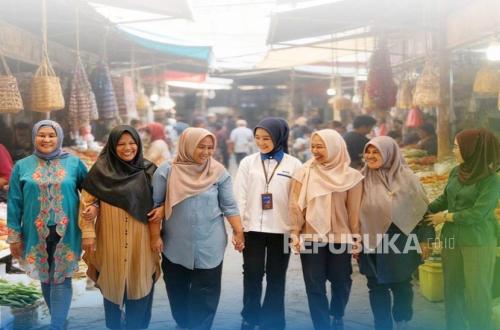
REPUBLIKA.CO.ID, JAKARTA — The role of women in national development continues to be strengthened through various programmes at both local and national levels. The government and several organisations are encouraging women to become the main drivers in public services, the development of the digital economy, and the creative economy sector.
The South Jakarta City Government considers women’s participation as an important social capital in driving the Ruang Bersama Indonesia (RBI) programme. South Jakarta’s Assistant for Government Affairs, Ahmad Basyarudin, stated that women’s involvement in various sectors has shown significant contributions.
In South Jakarta, more than 66 percent of Jakpreneur members are women. In addition, 61 percent of Echelon III officials and Mid-Level Functional Positions are held by women, and 20 out of 65 village heads are women.
According to Ahmad, women’s active roles are also evident in various community activities such as PKK, Dasawisma, farming groups, and programmes for the protection of women and children. This situation becomes a strength in promoting RBI not just as a programme, but as a joint movement in society.
Ten villages in South Jakarta have been designated as initial implementation points for RBI, focused on strengthening integrated services for women and children.
In the economic sector, strengthening women’s roles is also carried out through business digitalisation. The Autonomous Body of BPP Himpunan Pengusaha Muda Indonesia (HIPMI) Womenpreneur is integrating the AIM ASEAN programme to expand access to technology training for female entrepreneurs.
This programme targets more than 5,000 female MSME actors in various regions to receive digital training and utilisation of artificial intelligence. The programme’s implementation is carried out in stages, from national to local levels, to reach communities throughout Indonesia.
Chair of HIPMI Womenpreneur, Ayse Melissa Hamid, emphasised that the programme aims to encourage women to become the main actors in the digital economy, not just users of technology.
Meanwhile, the government also views the creative economy as a strategic space for women to contribute to development. Deputy Minister of Creative Economy, Irene Umar, stated that this sector is becoming increasingly inclusive and opening unlimited opportunities regardless of background.