
Women and Children Remain Most Vulnerable to Human Trafficking, UN Report Finds
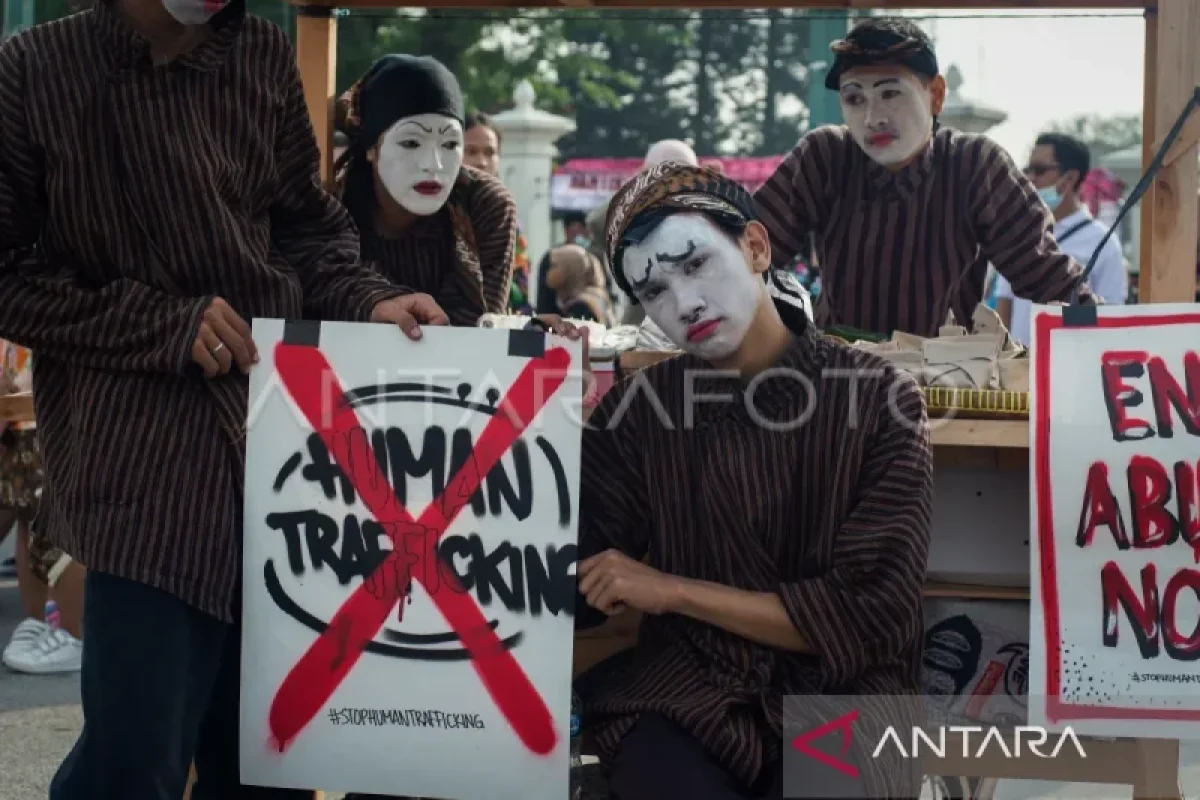
Women and children continue to be the most frequent victims of human trafficking worldwide, with sexual exploitation remaining the predominant form of abuse, according to the United Nations Office on Drugs and Crime (UNODC).
Ahead of the World Day Against Trafficking in Persons on 30 July, an analysis of the UNODC’s 2024 Global Report on Trafficking in Persons highlights a sharp rise in cases and growing risks linked to conflict, climate change, and forced displacement.
Human trafficking, often described as a modern form of slavery, involves the recruitment, transportation, or harbouring of people through coercion, deception, or abuse for purposes of exploitation, including forced labour, sexual exploitation, forced marriage, and criminal activities.
The report found that detected trafficking cases increased by 25 per cent between 2019 and 2022, with the largest rises recorded in sub-Saharan Africa, North America, and Western Europe. UNODC attributes this trend partly to increased displacement caused by armed conflict and climate-related disasters, which leaves more people vulnerable to exploitation.
Between 2020 and 2023, authorities identified 202,478 victims of human trafficking globally. Children accounted for 38 per cent of all victims, comprising 22 per cent girls and 16 per cent boys. Among adults, 39 per cent were women and 23 per cent were men.
Women and girls were predominantly trafficked for sexual exploitation, representing 64 per cent and 28 per cent of victims subjected to this form of abuse, respectively. Men and boys each accounted for just 3 per cent.
Forced labour remained the most common overall purpose of trafficking, affecting 42 per cent of all victims. Adult men made up 47 per cent of these cases, followed by adult women (23 per cent), boys (20 per cent), and girls (10 per cent).
The report noted that nationals from 162 countries were trafficked to 128 destination countries in 2022, with African nationals comprising 31 per cent of identified victims.
Organised criminal networks were identified as the primary driver of human trafficking. An analysis of 942 court cases involving 3,121 perpetrators found that 74 per cent operated as part of criminal groups or networks, while 26 per cent acted independently. Men accounted for 70 per cent of convicted traffickers, with women representing 28 per cent.
Source: jawawa.id (https://jawawa.id/newsitem/women-and-children-remain-most-vulnerable-to-human-trafficking-un-report-finds-1785387276)
Originally published by Antara (Indonesian) (https://www.antaranews.com/berita/5672173/perempuan-dan-anak-paling-rentan-jadi-korban-perdagangan-manusia), translated from Indonesian