
Wolbachia Programme Expanded in West Jakarta to Curb Dengue Cases
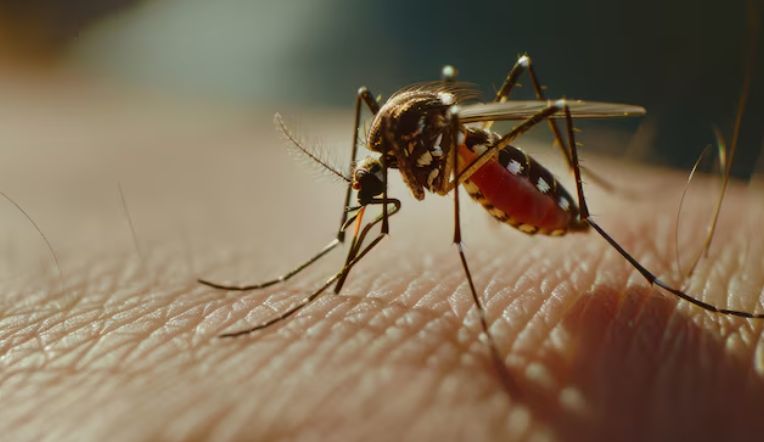
The government, through the relevant health agencies, is expanding the implementation of the Wolbachia mosquito technology programme in West Jakarta. The move is a strategic effort to reduce dengue haemorrhagic fever (DHF) cases, which often fluctuate in densely populated areas.
The programme involves releasing Aedes aegypti mosquitoes that carry the Wolbachia bacteria. This naturally occurring bacteria works by neutralising the dengue virus inside the mosquito, significantly minimising the potential for transmission to humans when the mosquito bites.
West Jakarta was selected as an expansion site because its high residential density poses an epidemiological risk for dengue transmission. The implementation follows the success of similar trials in several other Indonesian cities, which showed a consistent decline in case numbers.
During implementation, health workers place buckets containing Wolbachia-carrying mosquito eggs in residential areas. The process is carried out in stages under strict supervision from technical teams to ensure the Wolbachia-carrying mosquito population can reproduce and replace the local virus-carrying mosquito population.
Public awareness is key to the expansion. Residents are urged not to discard or damage the educational buckets placed in their neighbourhoods. The government stresses that the technology is safe for humans and the environment and complements the existing mosquito nest eradication programme (PSN).
Health authorities are still updating data on the number of release points and specific case reduction targets in West Jakarta. Residents are expected to maintain clean and healthy living habits and routinely practise the 3M Plus measures even as the Wolbachia programme progresses.
Nearly 200 million mosquitoes are ensured to reach sexual maturity before being released to reproduce.
Successful use of the technology has been reported in Yogyakarta, where it reduced dengue cases by 77 per cent and cut hospitalisation potential by up to 86 per cent in 2022.
The challenges of tropical medicine in Indonesia are increasing, especially after the Covid-19 pandemic accelerated the spread of infectious diseases.
Data shows an increase from 392 cases in 2023 to 871 cases with 14 deaths in 2024.
Wolbachia mosquitoes are a safe and effective technology for reducing dengue virus transmission.
Verily, a subsidiary of Alphabet (Google), plans to release 32 million Wolbachia mosquitoes in the United States. The project has drawn protests from residents concerned about the ecosystem.
The Ministry of Health is implementing Wolbachia technology to curb the spread of dengue fever.
Funding from DFAT (Australia’s foreign ministry) is complementary, meaning it supplements funds from the state budget.
Director of Communicable Disease Prevention and Control at the Ministry of Health Imran Pambudi stressed that the rise in dengue cases is not due to the Wolbachia-carrying Aedes aegypti mosquito technology.