
WMO Predicts El Niño Will Continue to Strengthen, Peaking at Year-End
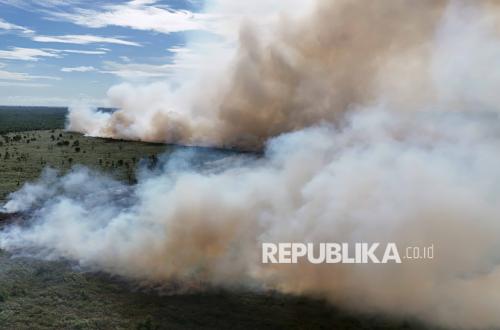
The World Meteorological Organization (WMO) predicts that the ongoing El Niño will continue to strengthen, potentially reaching the ‘very strong’ category and peaking by the end of the year. This condition increases the risk of extreme weather, including heatwaves, floods, and droughts across various parts of the world.
The WMO estimates a 100 per cent probability that El Niño will persist until February 2027. This marks the first time the UN weather agency has issued a prediction with such a high level of certainty.
The condition is driven by warm water reserves beneath the surface of the Pacific Ocean, which have the potential to sustain El Niño in the coming months. Sea surface temperatures in several Pacific regions in July and early August were recorded at up to eight degrees Celsius warmer than normal.
“El Niño is growing before our eyes, science leaves no room for doubt: our planet is in uncharted territory and is warming further,” said UN Secretary-General António Guterres, as quoted by UN News on Friday (4/9/2026).
El Niño is a natural climate pattern that typically develops every two to seven years when the central and eastern waters of the Pacific Ocean around the equator undergo warming. These changes in sea temperature can affect rainfall patterns and air temperatures in various regions of the world.
However, this year’s El Niño is occurring amidst global warming caused by greenhouse gas emissions from human activities. Warmer ocean conditions may amplify several impacts of El Niño, although scientists have not yet fully concluded that climate change is increasing the intensity of the phenomenon.
The Niño 3.4 Index shows that sea surface temperatures in the tropical Pacific reached 1.5 degrees Celsius above normal during the May to July period. In July, the temperature anomaly reached two degrees Celsius, while weekly readings from late July to mid-August showed an increase of up to 2.6 degrees Celsius.
The increase in heat beneath the sea surface is also continuing, serving as an indication that sea surface warming may persist.
A very strong El Niño does not mean all regions will experience disasters with the same level of severity. However, forecasters predict that temperatures across the Earth’s surface will remain above normal from September to November.
This phenomenon can also alter rainfall patterns. Some regions may face heavy rain and flooding, while others face an increased risk of drought.
The impact is becoming increasingly complex as El Niño occurs simultaneously with other oceanic phenomena, such as a positive Indian Ocean Dipode (IOD) in the Indian Ocean and unusually warm sea surface temperatures in the Atlantic Ocean. These conditions make the specific impact of El Niño on certain countries difficult to predict.
“El Niño means ‘little boy’ in Spanish, but it has the potential to deliver a heavy blow to communities and economies worldwide. We have already seen the disruption and destruction caused by droughts and floods, and we expect the impact of these disasters to worsen as El Niño intensifies,” said WMO Executive Secretary Celeste Saulo.
The prediction of a very strong El Niño has also triggered an unusual response. For the first time, the World Health Organization (WHO) is leading a large-scale mobilisation, working directly with national meteorological agencies to strengthen early warning systems and weather forecasting.
This step is aimed at helping governments and humanitarian organisations prepare for the potential impacts of El Niño, including disruptions to food security, public health, energy, and clean water supplies. “This extraordinary El Niño phenomenon demands extraordinary preparedness and response,” said Saulo.
The WMO emphasised that El Niño has not yet reached its peak. The phenomenon is expected to continue strengthening and reach its highest intensity at the end of the year.
Source: jawawa.id (https://jawawa.id/newsitem/wmo-predicts-el-nino-will-continue-to-strengthen-peaking-at-year-end-1788515866)
Originally published by Republika (https://esgnow.republika.co.id/berita/tktu1f416/wmo-prediksi-el-nino-terus-menguat-puncaknya-akhir-tahun), translated from Indonesian