
WMO: 80 Per Cent Chance of El Niño, World Braces for Extreme Weather
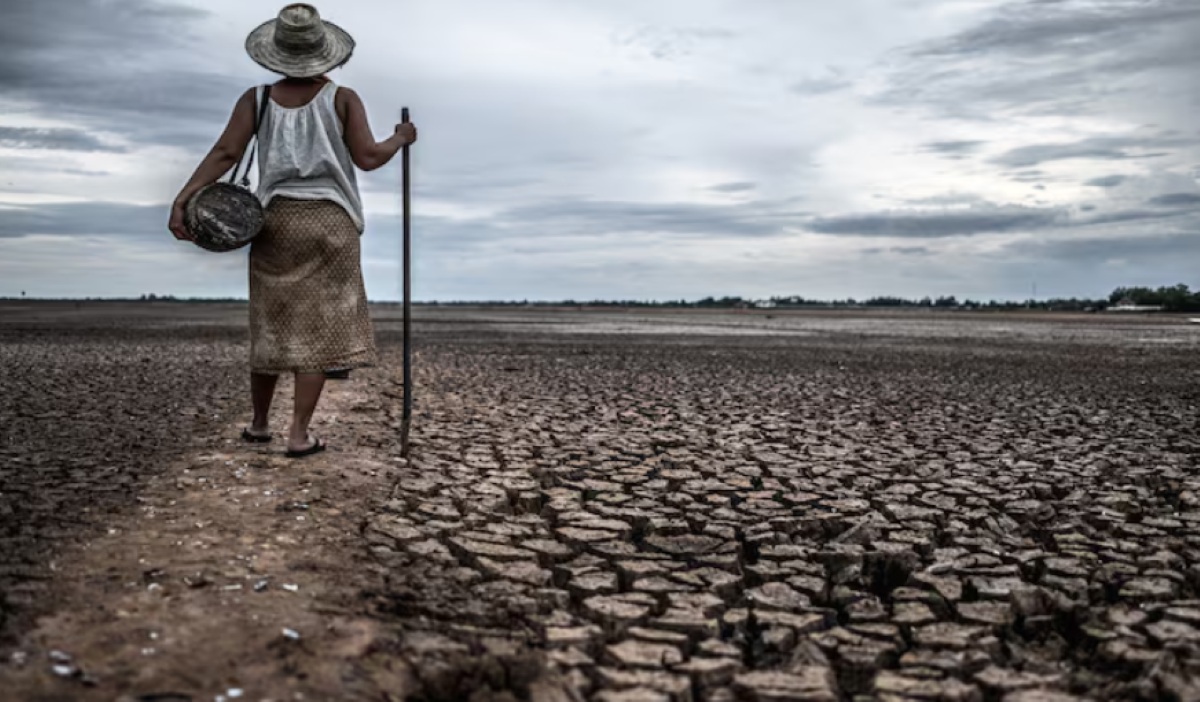
The World Meteorological Organization (WMO) has issued a serious warning regarding global climate phenomena. Based on the latest data released on Tuesday (3/6), there is an 80 per cent probability that the El Niño warming phenomenon will develop between June and August this year.
The emergence of El Niño is predicted to increase the risk of extreme weather events in various parts of the world. “Driven by unusually warm sea surface temperatures in the tropical Pacific, El Niño conditions are developing and are poised to influence global temperature and rainfall patterns,” stated the official announcement from the WEO, the UN-affiliated weather and climate agency.
WMO Secretary-General Celeste Saulo emphasised that the world must prepare immediately for the impacts of El Niño, which could exacerbate droughts, trigger heavy rainfall, and increase the risk of heatwaves across both land and sea.
WMO data shows that from late April to mid-May, sea surface temperatures in the central-eastern equatorial Pacific approached the El Niño threshold. Furthermore, subsurface sea temperatures were recorded at more than 6 degrees Celsius above average.
Predictions for the June to August period project a near-even dominance of above-normal temperatures across the globe. This increases the risk of multiple hazards in several regions, including the acceleration of drought conditions in areas with low rainfall.
El Niño is not merely a weather phenomenon but a threat to global stability. Celeste Saulo explained that ocean warming in tropical regions will create cascading impacts affecting global trade, the economy, and public security.
The WMO hopes this early warning can serve as a guide for nations to implement preparedness measures, particularly in climate-sensitive sectors such as agriculture, water resource management, energy, and public health. Currently, 128 countries possess multi-hazard early warning systems, with a target for universal coverage by the end of 2027.
The WMO also warned of an 86 per cent chance that record-breaking hottest years will be broken before 2031 due to greenhouse gas emissions and the El Niño phenomenon. The organization estimates that global average temperatures will remain near record highs for the next five years, noting that global CO2 levels reached a record high in 2024, accelerating global warming and threatening the world’s climate balance.