
Wiyagus: Ministry of Home Affairs to Oversee Tuberculosis Elimination Efforts at Regional Level
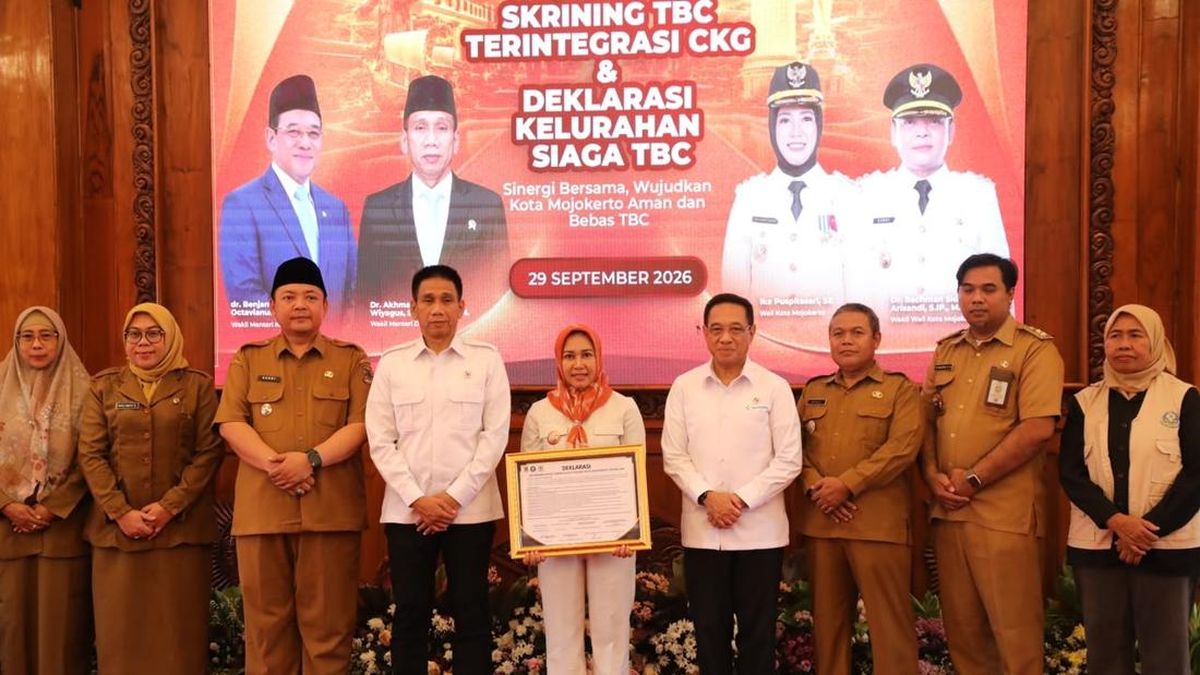
The Deputy Minister of Home Affairs, Akhmad Wiyagus, has emphasised that the Ministry of Home Affairs (Kemendagri) is committed to overseeing efforts for the elimination and control of tuberculosis (TB) down to the regional level.
According to Wiyagus, strengthening the role of local governments (Pemda) is key to ensuring that the national TB control programme does not merely remain a policy but is realised through concrete actions within the community. This commitment is being implemented by the Ministry of Home Dis Affairs through assistance provided to the Ministry of Health (Kemenkes), including the integration of TB screening with the Free Health Check-up (CKG) programme.
“This means that the CKG and the elimination and control of TB are on the same level, which is why they are integrated. This is proof of the Ministry of Home Affairs’ seriousness in fully supporting the Ministry of Health’s programme,” Wiyagus stated during an interactive dialogue and declaration of TB-Alert Sub-districts at the Pendopo Sabha Mandala Madya, Mojokerto City Hall, East Java, on Tuesday.
Wiyagus noted that local government involvement in TB control is vital because the health sector is a mandatory government affair directly related to basic services. This aligns with Law Number 23 of 2014 concerning Regional Government, which regulates the division of government affairs between central and regional authorities.
Consequently, local governments are requested to prioritise the health sector within their planning and budgeting documents. Such policies must be accompanied by programme implementation that delivers real impacts for the community. “Therefore, it is a legal obligation for each local government to prioritise these health issues, ensuring they are presented in planning documents, such as the RPJMD as a derivative of the RPJMN, the RKPD, strategic planning for regional agencies, and the APBD (Regional Budget),” Wiyagus explained.
He cited Mojokerto City in East Java as an example, which allocates more than 20 per cent of its regional budget to health. According to Wiyagus, this significant budget allocation is reflected in Mojokerto’s achievement in receiving awards for healthcare access within the Java and Bali regions.
“This proves that the budget allocated is used for its intended purpose, resulting in measurable achievements,” he added.
Nevertheless, Wiyagus noted that strengthening healthcare services, including TB control, must be carried out sustainably. He highlighted the importance of meeting Minimum Service Standards (SPM), particularly by increasing the capacity of officials to detect TB cases, integrating data, and ensuring that indicated patients receive treatment.
“The achievement of these standards depends on the collaborative capacity of the relevant officials to first detect cases and then integrate the data. Secondly, they must ensure patients are treated once found; they must not be left untreated,” he asserted.
The meeting was also attended by the Deputy Minister of Health, Benjamin Paulus Octavianus, the Mayor of Mojokerto, Ika Puspitasari, various heads of departments within the Mojokerto City Government, sub-district heads from across Mojokerto, and other relevant officials.
Source: jawawa.id (https://jawawa.id/newsitem/wiyagus-ministry-of-home-affairs-to-oversee-tuberculosis-elimination-efforts-at-regional-level-1790690182)
Originally published by CNN Indonesia (https://www.cnnindonesia.com/nasional/20260929195307-25-1409685/wiyagus-kemendagri-kawal-upaya-eliminasi-tbc-hingga-tingkat-daerah), translated from Indonesian