
Witnessing Thousands of Crows and Exploring Samho Bamboo Forest in Nam-gu, Ulsan
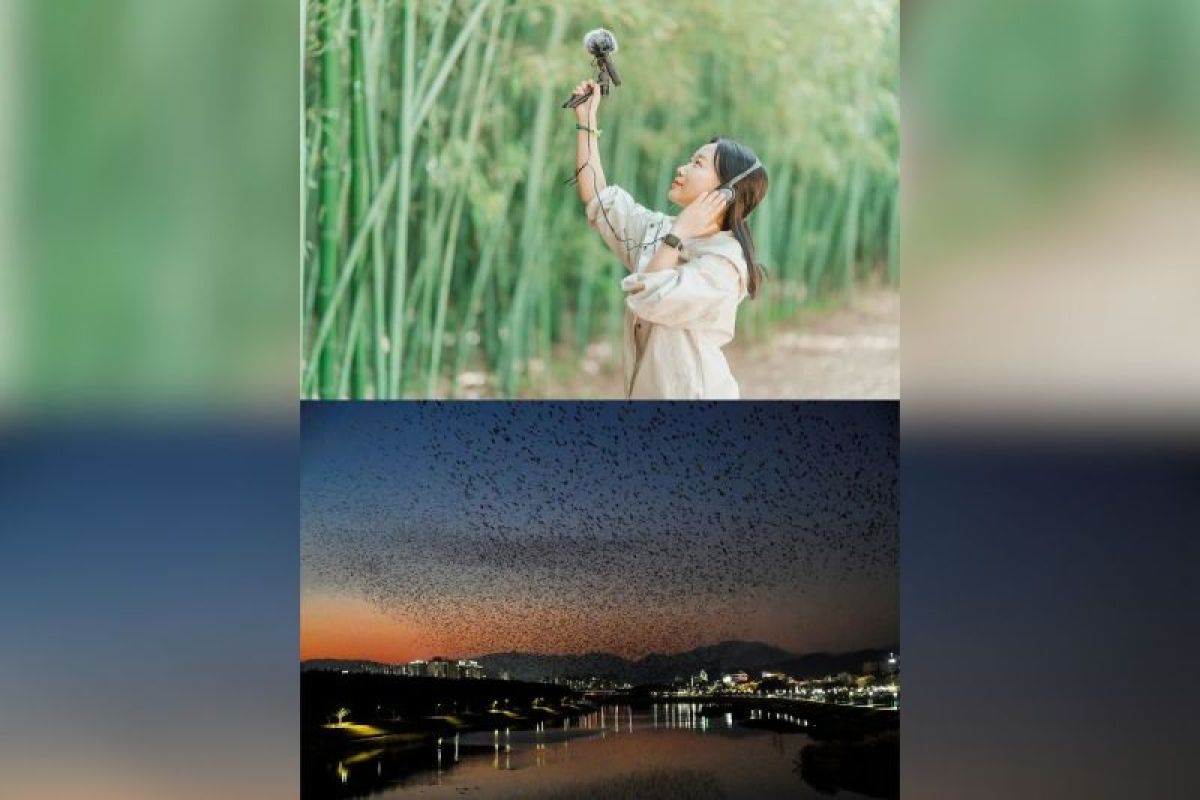
From watching thousands of crows take flight to walking along the Taehwagang River, visitors can enjoy natural beauty in the heart of the city during winter.
Ulsan, South Korea, (ANTARA/PRNewswire) — Ulsan is known as a city of automotive manufacturing, shipbuilding and petrochemicals. But when winter arrives, it also offers striking natural scenery. At dusk, tens of thousands of crows gather in Samho Bamboo Forest in Nam-gu, forming a black wave across the sky against the setting sun.
After foraging in nearby fields, the crows return to the forest to roost and rest. Their flocking flight is one of the district’s “Ulnam Nine Scenic Views”, a local landmark. In warmer months, egrets and herons arrive to nest and raise their young. The forest also serves as a seasonal stopover for various migratory birds.
The Taehwagang River is an example of successful river revitalisation in Ulsan. Through restoration and conservation, a river that was once polluted has become a wildlife habitat and public open space. In 2019, the area was designated South Korea’s second national garden. The revitalisation of the river and surrounding forest has also given residents more opportunities to enjoy nature while living in an industrial city.
Nearby, at the Migratory Bird Center, visitors can learn about birds’ behaviour and habitats through exhibitions and guided talks. They can also take in views of the area from an observation deck. Afterwards, they can stroll along the riverbank, accompanied by rustling bamboo leaves and birdsong, before watching the flocks return to the forest at sunset.
Alexa, a 21-year-old Romanian exchange student who took part in an introductory tourism tour in 2025, said she was deeply impressed by the experience. “I had never seen bamboo plants in person. Until now, I only knew the small bamboo plants commonly grown in apartments. This experience was far more impressive,” she said. She added: “Everyone here is very friendly.”
Local residents help protect the area by serving as birdwatching and nature-tour guides, sharing stories about birdlife and the communities around the forest. They also take part in regular clean-up activities and work to address the challenges of living alongside wildlife without disturbing its habitat. Their involvement shows how people and wildlife can coexist in an urban area.
The best time for birdwatching is from December to February, particularly around 30 minutes before sunset. However, the timing and size of the flocks can vary according to the weather and the birds’ movements. International visitors can fly to Gimhae International Airport in Busan or take the KTX high-speed train from Seoul and other cities to Ulsan Station, then continue by local transport. Visitors are advised to check the Migratory Bird Center’s opening hours before travelling.
Source: jawawa.id (https://jawawa.id/newsitem/witnessing-thousands-of-crows-and-exploring-samho-bamboo-forest-in-nam-gu-ulsan-1794624721)
Originally published by Antara (Indonesian) (https://www.antaranews.com/berita/5853403/menyaksikan-ribuan-burung-gagak-dan-menjelajahi-hutan-bambu-samho-di-nam-gu-ulsan), translated from Indonesian