
Witnessing the 'Salawate' Tradition for Eid al-Adha in Negeri Sepa, Maluku
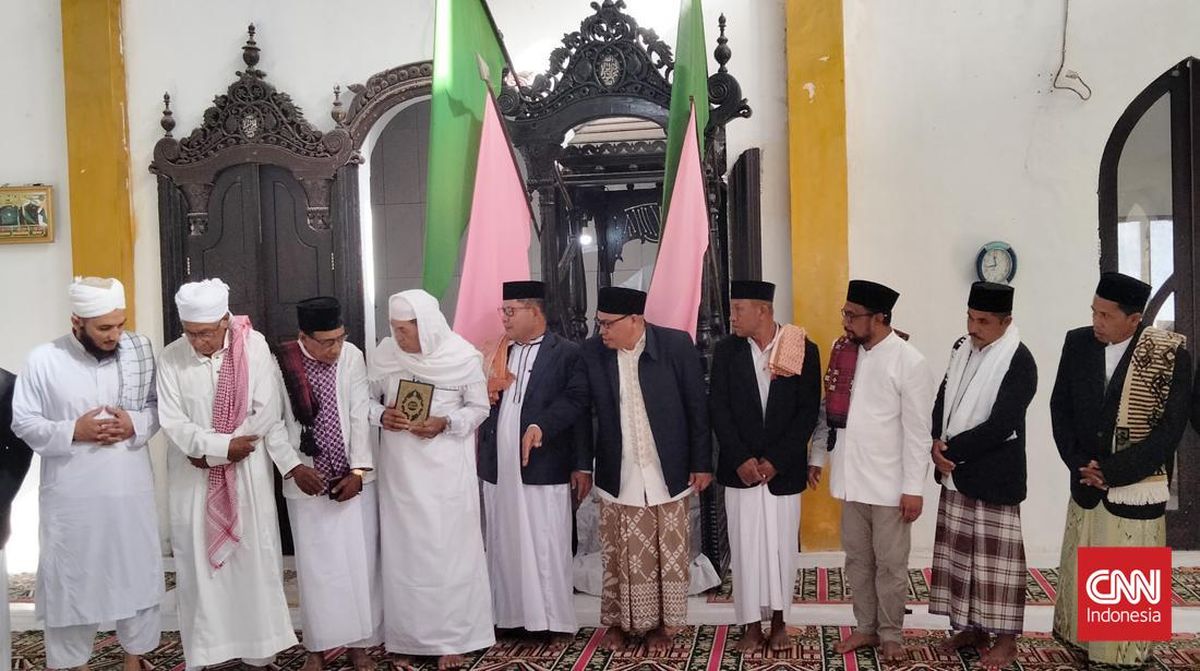
Negeri Sepa Grand Mosque in Amahai District, Central Maluku Regency, Maluku held the ‘Salawate’ cash collection tradition ahead of Eid al-Adha prayers on Wednesday, 27 May. The ‘Salawate’ cash collection starts from the front rows, where the king, traditional leaders, religious figures, imam, and preacher are seated. Two muezzins and a mosque caretaker, tasked with collecting the ‘Salawate’ donations, approach each row of worshippers carrying prayer mats. Imam of Negeri Sepa Mosque, Said Ahmad Bubakar, stated that the ‘Salawate’ cash collection tradition has been passed down through generations from their ancestors. The tradition is still preserved and maintained to this day. He added that the money contributed by the community is voluntary and given with sincerity. After collecting the ‘Salawate’ donations, the Eid prayer commenced with Muhammad Daut Sopalatu serving as the imam. Meanwhile, Jafar Wasolo, the muezzin of Negeri Sepa’s oldest mosque, had a trembling voice as he retrieved the sermon staff, neatly wrapped in a white cloth, signalling the commencement of the sermon at the pulpit. The sermon staff was originally placed on the pulpit, covered with a cloth and adorned with colourful banners symbolising the kingdom and religion. The staff was successfully retrieved and firmly held while reciting salawat. The sermon at Negeri Sepa Grand Mosque, delivered by Kiai Haji Ali Mahfudz, leader of Darussalam An Nasr Pesantren at kilometre 12, reminded Eid al-Adha attendees to reflect on the story of Prophet Ibrahim and his son Ismail. He emphasised that Eid al-Adha is not merely celebrated for its own sake but carries an unforgettable historical narrative. He also urged the congregation to show mutual compassion, as all are siblings born from the same womb. He expressed hope that the residents of Negeri Sepa would use Eid al-Adha 1447 H as an opportunity for self-reflection towards triumph. At the end of his sermon, he asked the congregation to pray for Indonesian Hajj pilgrims performing wuquf in Arafah, particularly those from Negeri Sepa fulfilling the Hajj rites in Mecca. Following the Eid prayer, residents shook hands—a significant moment to rebuild bonds of kinship and seek forgiveness. They embraced one another, tears streaming down their faces. The congregation then concluded the Eid prayer with tahlil prayers and supplications for deceased elders, seeking protection for their homeland and abundant provisions.