
Witness and Victim Protection Act strengthens safeguards through seven new substantive elements
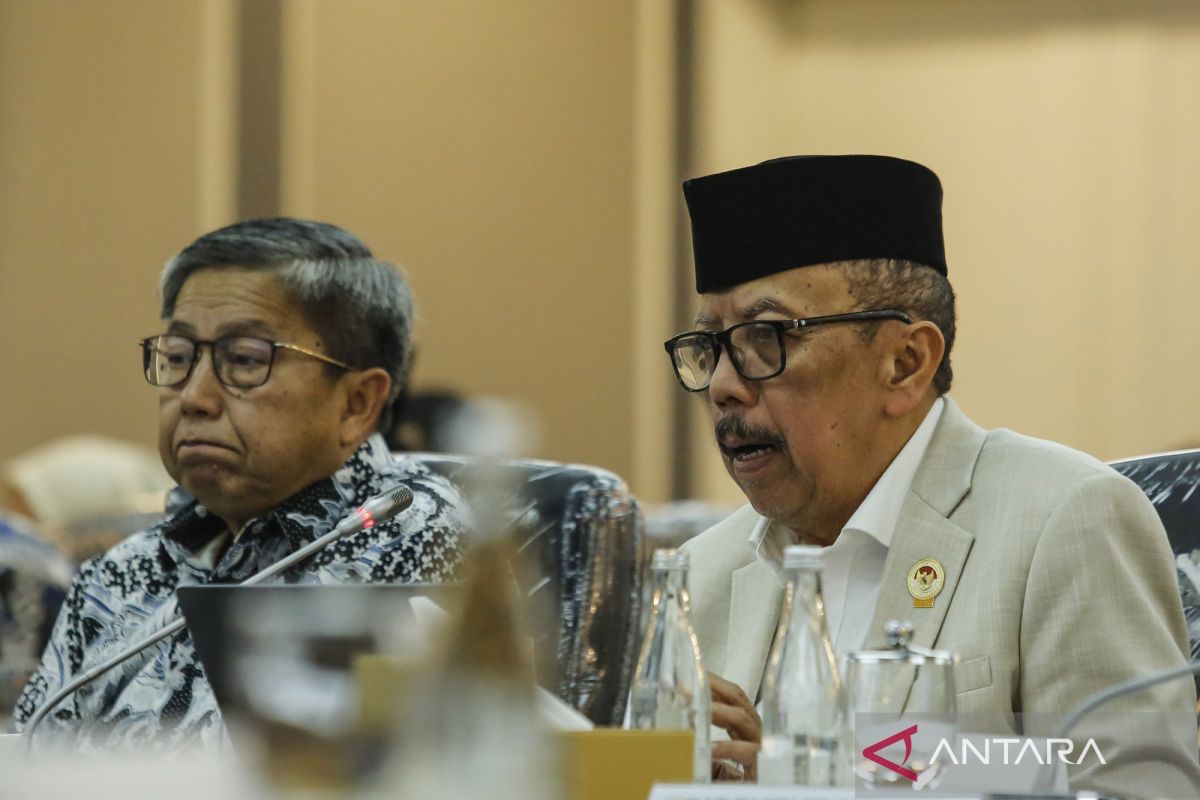
Jakarta (ANTARA) - The enactment of the Witness and Victim Protection Act by the Indonesian House of Representatives (DPR RI) on 21 April 2026 strengthens the criminal justice system through institutional reinforcement, expansion of protection subjects, and a more comprehensive victim recovery framework.
The Act signifies a shift in the state’s approach by positioning witnesses and victims as legal subjects with equal rights in the criminal justice process.
Head of the Witness and Victim Protection Agency (LPSK) Achmadi stated in Jakarta on Friday that strengthening the agency’s status as an independent state institution forms a crucial foundation for ensuring the effectiveness of protection.
“With the status as a state institution, LPSK will have far stronger legitimacy in carrying out its protection functions. LPSK becoming a State Institution is a strengthening of the legal foundation so that we can work more effectively, independently, and without obstacles,” he said.
In addition to institutional strengthening, the Act expands the scope of protection subjects to now include perpetrator witnesses, reporters, informants, and experts, in response to the broader needs for protection in law enforcement processes.
Strengthening is also achieved through the decentralisation of services by opening opportunities to establish LPSK representatives in the regions to accelerate access to protection for the public.
Deputy Head of LPSK Wawan Fahrudin said that with representatives in the regions, LPSK can more quickly reach witnesses and victims in need of protection.
“This is important so that the state is truly present, not only in the centre but also in the regions, across the entire territory from Sabang to Merauke, providing justice for all citizens without exception,” he said.
Deputy Head of LPSK Sri Nurherwati mentioned that the endowment fund is expected to serve as an umbrella for victims seeking protection from LPSK.
“This is important because we also have a mandate related to victim assistance funds, so both become inseparable sources of funding for victim recovery and services,” she said.
The UU PSDK also strengthens restitution and compensation mechanisms, including the obligation of law enforcement officials to inform and facilitate victims’ rights, as well as the introduction of a guarantee seizure mechanism to ensure payment of damages by perpetrators.
In terms of protection, the Act emphasises a risk-based approach by considering the vulnerability level of victims, including women, children, people with disabilities, indigenous communities, and human rights defenders.
“In many cases, those who play a role in human rights defence are actually in the most risky position and face real threats, such as acid splashing incidents,” she said.
Other strengthening includes the role of perpetrator witnesses (justice collaborators) through the provision of rewards as incentives for cooperation in uncovering criminal acts.
Deputy Head of LPSK Antonius P.S. Wibowo stated that a perpetrator or convict designated as a perpetrator witness by LPSK may receive rewards, such as additional remission or other special handling forms.
“This is part of efforts to encourage cooperation in uncovering criminal acts,” he said.
Overall, the UU PSDK introduces seven main substantive elements that affirm the state’s presence in protecting witnesses and victims while strengthening the effectiveness of law enforcement and sustainable victim recovery.
Source: jawawa.id (https://jawawa.id/newsitem/witness-and-victim-protection-act-strengthens-safeguards-through-seven-new-substantive-elements-1777045957)
Originally published by Antara (Indonesian) (https://www.antaranews.com/berita/5541415/uu-psdk-perkuat-perlindungan-saksi-korban-lewat-tujuh-substansi-baru), translated from Indonesian