
Without a Mask: Effective Ways to Protect Yourself from Volcanic Ash
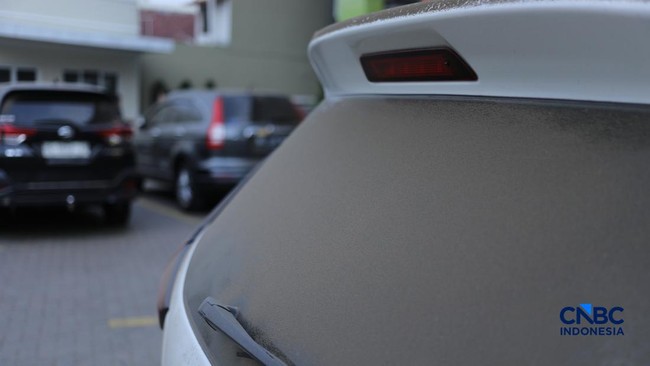
The eruption of Mount Anak Krakatau, which spewed volcanic ash, has triggered panic buying of masks in a number of regions, including DKI Jakarta. As a result, many members of the public are struggling to obtain masks to protect themselves from ash exposure.
It should be noted that volcanic ash consists of fragments of volcanic rock less than 2 millimetres in diameter, ranging in size from sand-like grains to very fine powder, according to the International Volcanic Health Hazard Network (IVHHN).
Ash is usually still hot when very close to the volcano, but has cooled by the time it falls on more distant areas. Whilst airborne, the material can block sunlight, reduce visibility, and even cause darkness during the daytime.
Freshly fallen ash particles can also carry an acidic coating that irritates the lungs and eyes. This coating generally disappears after rainfall, but rainwater carrying ash has the potential to contaminate water sources near the affected area.
How to Protect Yourself from Volcanic Ash Without a Mask
The IVHHN advises people to remain indoors where possible and to keep doors and windows closed. Driving activities should also be limited, as vehicles can stir up ash that has already settled.
If driving is unavoidable, reduce speed and maintain a greater distance from the vehicle in front. Rain may temporarily improve air quality, but ash can become airborne again once it dries.
If standard masks are unavailable, cloth can be used as temporary protection to filter out larger particles. Dampen the cloth with a little water to improve its ability to filter ash.
Children Require Special Attention
Children face the same risks as adults, but may be exposed to more ash because their bodies are smaller and they are not yet able to apply preventive measures consistently.
Whilst ash remains in the air, children should stay indoors and avoid strenuous activities such as running. Physical exertion causes children to breathe faster, allowing fine particles to penetrate deeper into the lungs.
If they must go outside, children need to wear properly sized masks. They should also be kept away from areas with thick ash deposits and must not be allowed to play with the material.
How to Clean Up Volcanic Ash
When clearing ash deposits from floors or car surfaces, the ash should be slightly dampened before being shovelled to prevent it from becoming airborne again.
However, ash on rooftops must not be made too wet, as the added weight of water can increase the risk of roof collapse. Sweeping ash whilst dry is also not recommended, as it can sharply increase exposure.
Meanwhile, water affected by light ashfall can generally still be drunk after its particles have been filtered out. However, ash can affect the taste of water and interfere with disinfection processes, thereby increasing the risk of microbiological contamination.
Residents in eruption-prone areas are advised to store drinking water supplies for at least one week. The requirement is roughly 3 to 4 litres per person per day.
For households that rely on rainwater, tanks should be covered and downpipes from the roof should ideally be disconnected before ashfall occurs. Meanwhile, vegetables covered in ash remain safe to eat after being washed with clean water.