
With Rp 17.7 Billion, You Can Only Afford a 17-Square-Metre Home in Monaco
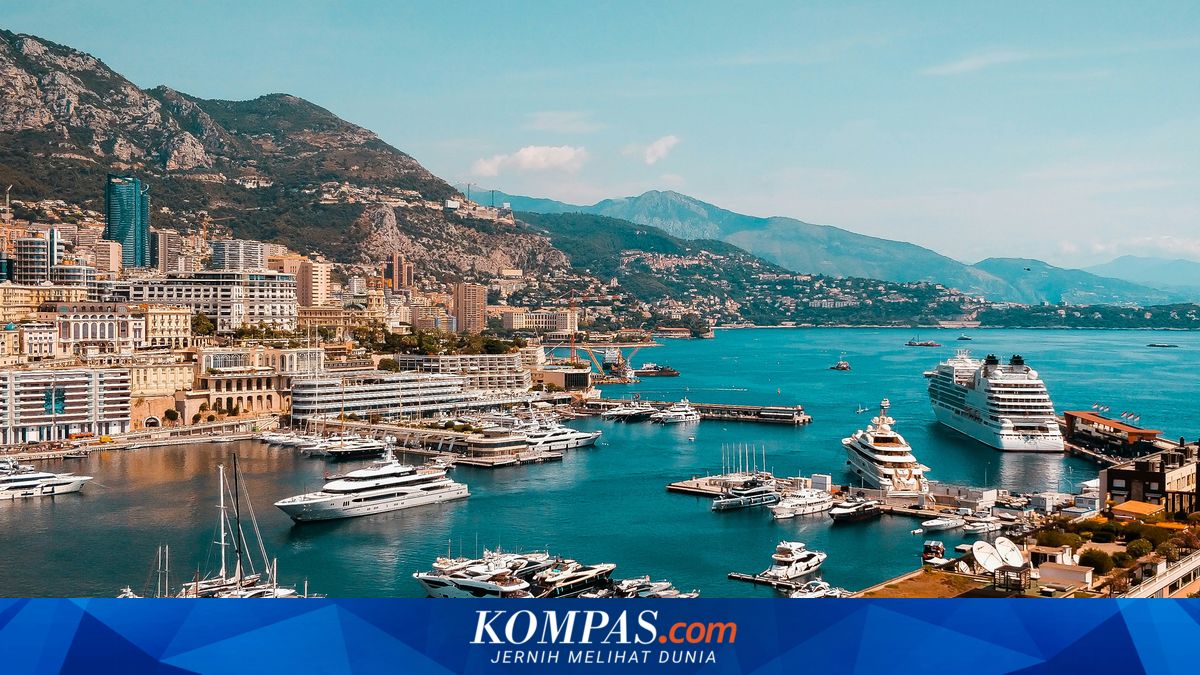
Global ultra-high-net-worth individuals (UHNWIs) wealth grew 5.3% annually, triggering a radical split in the premium property sector. Whilst domestic mass housing markets across nations are sensitive to central bank rate hikes, the global luxury residential market has shown resilient performance. The Primary International Residential Index (PIRI 100) in Knight Frank’s 2026 Wealth Report indicates global luxury home prices rose 3.2% throughout 2025. The most objective indicator of this disparity is measuring the physical floor area an investor can purchase with $1 million (equivalent to Rp17.7 billion at a rate of Rp17,700 per dollar). With this budget, Monaco tops the list of the world’s most expensive property markets, where $1 million buys just a 17-square-metre home. This extreme spatial constraint in Monaco stems from geographical limitations and financial security guarantees. According to Monaco’s official statistics office (IMSEE), the city-state’s residential market capitalisation is starkly divided by building age. Knight Frank reports that new property prices average US$47.9 million (Rp847.83 billion) per unit—five times higher than secondary market transactions at US$8.9 million (Rp157.53 billion) per unit. Monaco-based capital holders are shifting asset searches to neighbouring areas like Roquebrune-Cap-Martin, where transactions range from US$30-70 million, and elite zones such as Les Parcs de St Tropez and Cannes. Knight Frank property analysts identify that the primary driver behind robust asset valuations in European super-prime markets like Monaco, Milan, and Madrid is shifting Western tax regulation landscapes. Discriminatory policies targeting the wealthy—including Los Angeles’ Measure ULA luxury property tax, New York’s billionaire tax proposals under Mayor Zohran Mamdani, and the UK’s abolition of its 200-year-old non-domiciled tax regime—have triggered massive cross-border capital migration. Metropolises like London are now transitioning to occasional operational transit hubs. High-net-worth investors professionally tied to London are avoiding residency status to evade tax traps. “They merely purchase curated compact holiday homes and spend weekends in European jurisdictions with flat tax systems,” the Knight Frank report states.