
Wings Air Propeller Tied with Cable Ties: Airline Provides Explanation
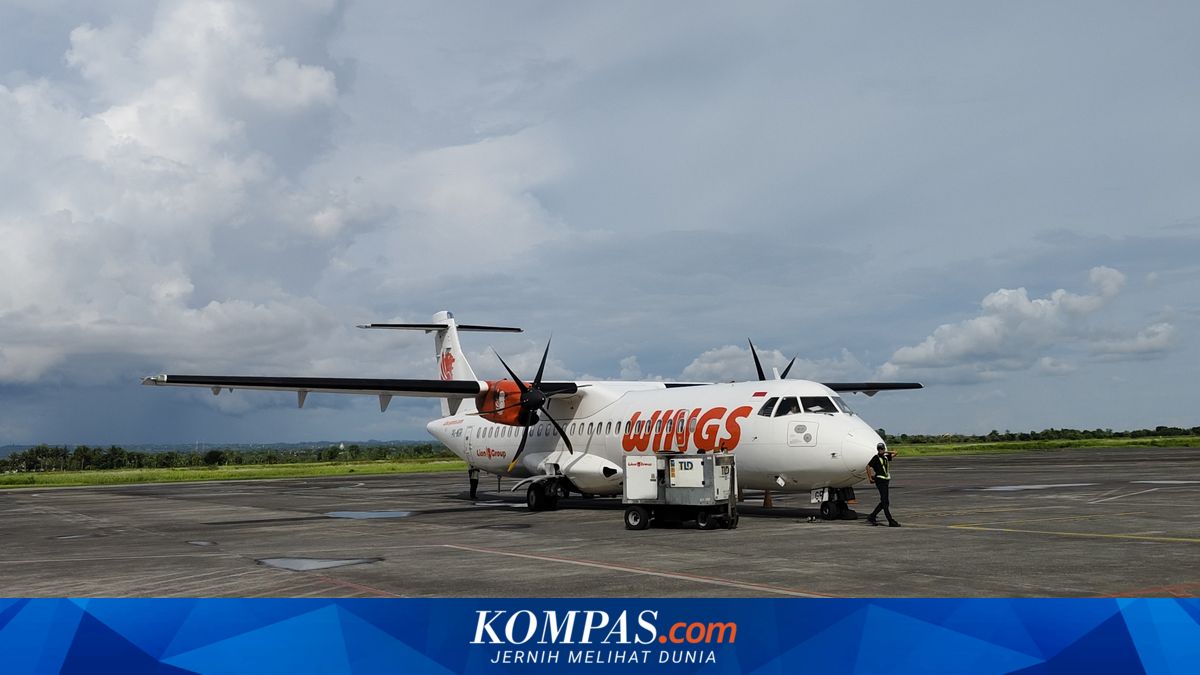
A video recently went viral showing an aircraft’s propeller blades secured with cable ties, sparking concern among the recorder. According to Kompas.com’s confirmation on Saturday, 30 May 2026, the aircraft was operated by Wings Air. ‘The ties visible on the propeller blades were used to temporarily secure a de-icing cover that had shifted slightly,’ said Danang. He added that the protective layer assists in safeguarding the propeller under certain operational conditions and is not the primary structure generating thrust. Danang explained that the safety procedure is outlined by the aircraft manufacturer in the Aircraft Maintenance Manual and can only be carried out by licensed technicians following established maintenance guidelines. ‘Following installation, technicians must conduct further checks to ensure all components function normally and do not interfere with the propeller’s movement or the aircraft’s overall performance,’ he said. For the general public, cable ties are commonly used as fastening tools in daily life, Danang noted. However, in aviation, the use of such fasteners on specific components is part of manufacturer-approved maintenance procedures, carried out methodically with rigorous inspection and verification processes. ‘Flight safety and security are Wings Air’s top priorities. Every aircraft undergoes scheduled and unscheduled maintenance in line with standards set by the manufacturer, regulators, and the aviation industry,’ Danang stated. Additionally, routine checks are conducted before departure (preflight), during transit, and at other operational stages to ensure aircraft remain airworthy and safe for operation. Danang said the aircraft is currently undergoing further inspection and maintenance as part of the technical verification process. This step is part of ensuring each aircraft meets all maintenance, airworthiness, safety, and operational requirements before resuming service. ‘An aircraft will not be operated if it does not meet safety, security, and airworthiness requirements,’ Danang added. ‘All decisions to fly are based on thorough technical inspections by authorised personnel in accordance with established procedures,’ he concluded.