
Wings Air Propeller Blade Entangled with Zip Tie Before Bali Departure Sparks Online Attention
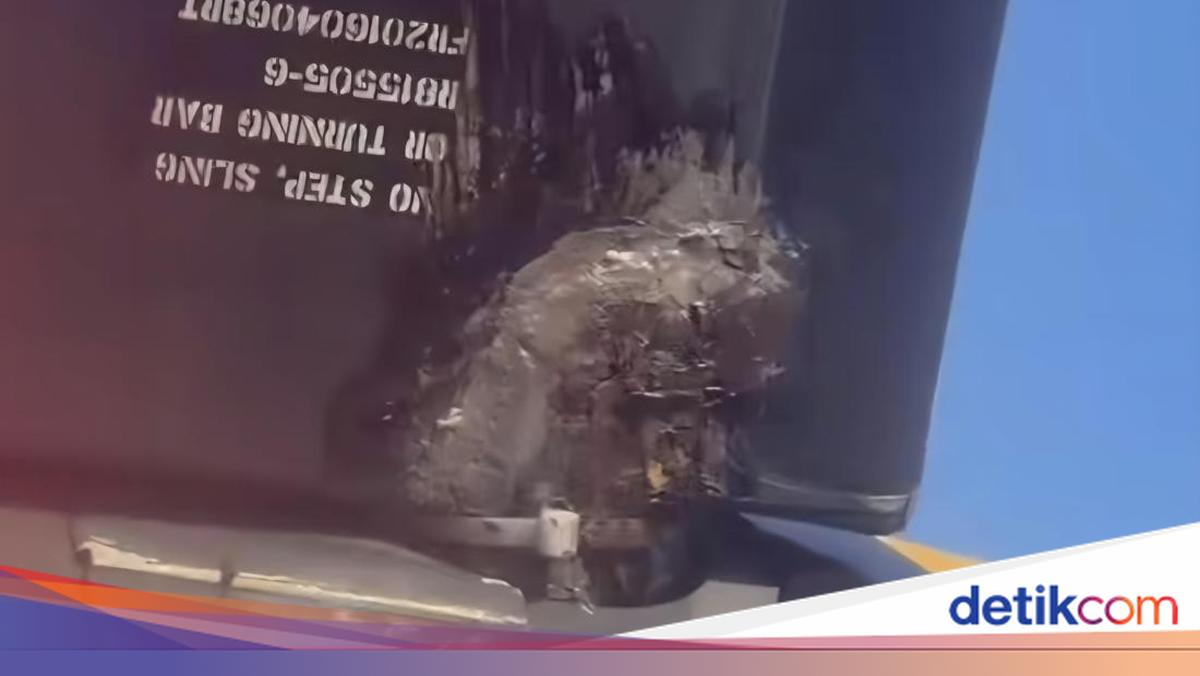
A video showing one of Wings Air’s propeller blades entangled with a zip tie has gone viral on social media. The aircraft was scheduled to operate a flight from I Gusti Ngurah Rai International Airport in Bali to West Nusa Tenggara (NTB).
Head of Corporate Communications for Lion Air Group, Danang Mandala Prihantoro, addressed the viral video. Danang stated that the component visible in the video was not indicative of damage to the aircraft’s propeller.
“The tie seen on the propeller blade is used to temporarily secure a de-icing cover that has shifted slightly,” Danang said in a statement on Sunday (31 May 2026).
According to a passenger-recorded video, a white zip tie was wrapped around one of the propeller blades, with a black layer resembling adhesive visible on the area. The sight of the zip tie around the propeller blade immediately drew various reactions from netizens.
Danang explained that the protective layer serves to safeguard the propeller under certain operational conditions and is not a primary structure responsible for generating thrust.
The use of the temporary tie, he added, complies with aircraft maintenance guidelines.
“The procedure is clearly outlined by the aircraft manufacturer in the Aircraft Maintenance Manual and can only be performed by licensed technicians authorised under applicable maintenance guidelines,” he added.
Following the installation of the tie, Danang continued, technicians must conduct further inspections to ensure all components function normally. Technicians also verify that the temporary tie does not interfere with the propeller’s movement or the aircraft’s overall performance.
“In aviation, the use of ties on certain components can be part of manufacturer-established maintenance procedures, carried out systematically and followed by rigorous inspection and verification processes,” he added.
Danang stressed that all Wings Air aircraft undergo scheduled and unscheduled maintenance in line with standards set by manufacturers, regulators, and the aviation industry. Additionally, inspections are routinely conducted before departure, during transit, and at other operational stages.
“Aircraft will not be operated if they do not meet safety, security, and airworthiness requirements. All decisions to fly are based on thorough technical inspections by authorised personnel in accordance with established procedures,” he concluded.