
Will the US Build a Covert Military Base at Kertajati?
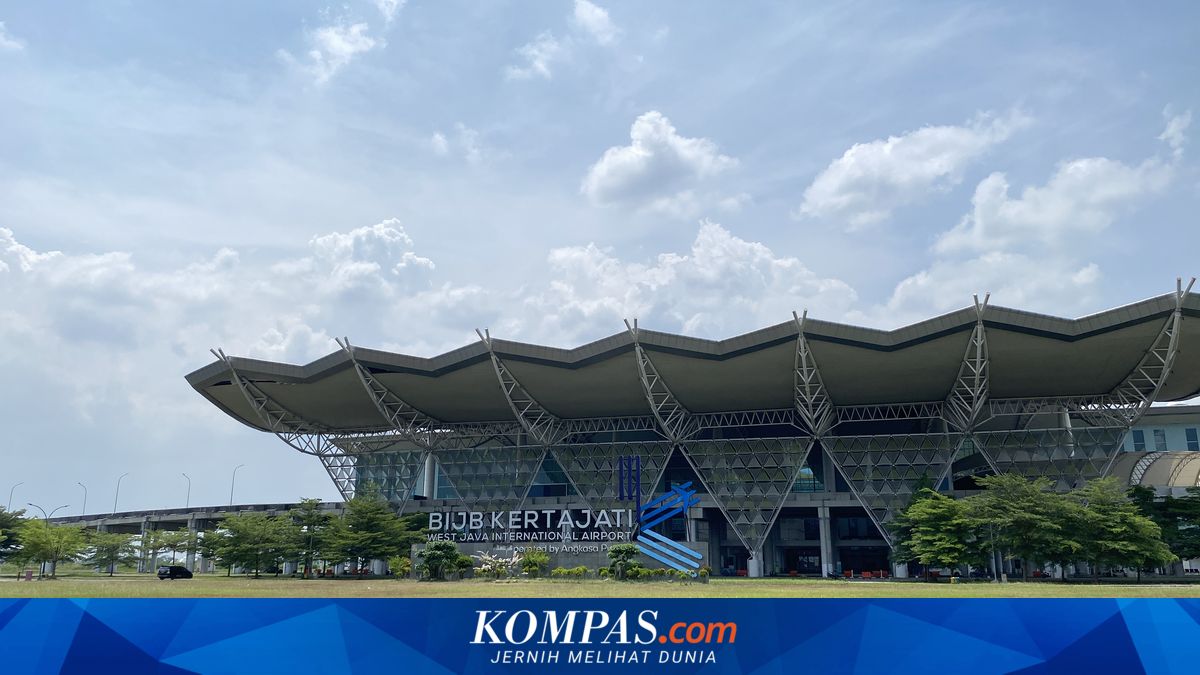
The plan to transform West Java International Airport (BIJB) Kertajati in Majalengka into a regional Maintenance, Repair, and Overhaul (MRO) hub for the US military’s C-130 Hercules transport aircraft marks a new chapter in Indo-Pacific defence dynamics. This surprising proposal was made after Indonesia’s Defence Minister Sjafrie Sjamsoeddin met US Defence Secretary Pete Hegseth at the Pentagon in April 2026. Washington has offered to centralise all C-130 fleet maintenance in Asia in Indonesia, covering all infrastructure development costs. President Prabowo Subianto swiftly approved the offer and designated Kertajati as the site. To the domestic public, the decision appears to be an instant solution to Kertajati’s operational stalemate. Since its 2018 inauguration, the Rp 2.6 trillion airport has been dubbed a ‘ghost airport’ due to minimal civilian commercial flights. Repurposing part of the airport land for a regional military aircraft maintenance hub is seen as a savvy move to turn a fiscal burden into a productive asset. However, viewing the Kertajati project solely through an aviation economics and business lens is a shallow, even dangerous, perspective. Strategic defence infrastructure inherently carries dimensions of power. With this tempting offer coming directly from the Pentagon amid escalating US-China hegemonic rivalry in the Indo-Pacific, Kertajati’s hangars may become more than aircraft workshops—they could be the epicentre of geostrategic contestation. The decision places Indonesia squarely at the crossroads of global influence competition. Concerns that Indonesia is slowly being drawn into Washington’s strategic orbit are not baseless paranoia. The Kertajati deal was signed alongside the Major Defence Cooperation Partnership (MDCP) agreement between the two nations in April 2026. Despite the government consistently asserting that defence diplomacy remains rooted in the Free and Active foreign policy, the penetration of US military interests into national vital infrastructure demands far more critical scrutiny. The fundamental question is why the US is so keen to relocate its Hercules fleet maintenance hub to Kertajati from other Asian locations? For decades, the US military has dispersed its MRO needs across key allies in Asia-Pacific, such as ST Engineering in Singapore and AIROD in Malaysia. However, both locations now face constraints due to limited physical expansion space or congested logistics capacity. Meanwhile, the new project between Tata Advanced Systems and Lockheed Martin in Bangalore, India, is too distant from potential conflict theatres in the Western Pacific.