
Will the Rise in Non-Subsidised Fuel Prices Drive Inflation? BI: Not Significant, Only 0.04 Percent
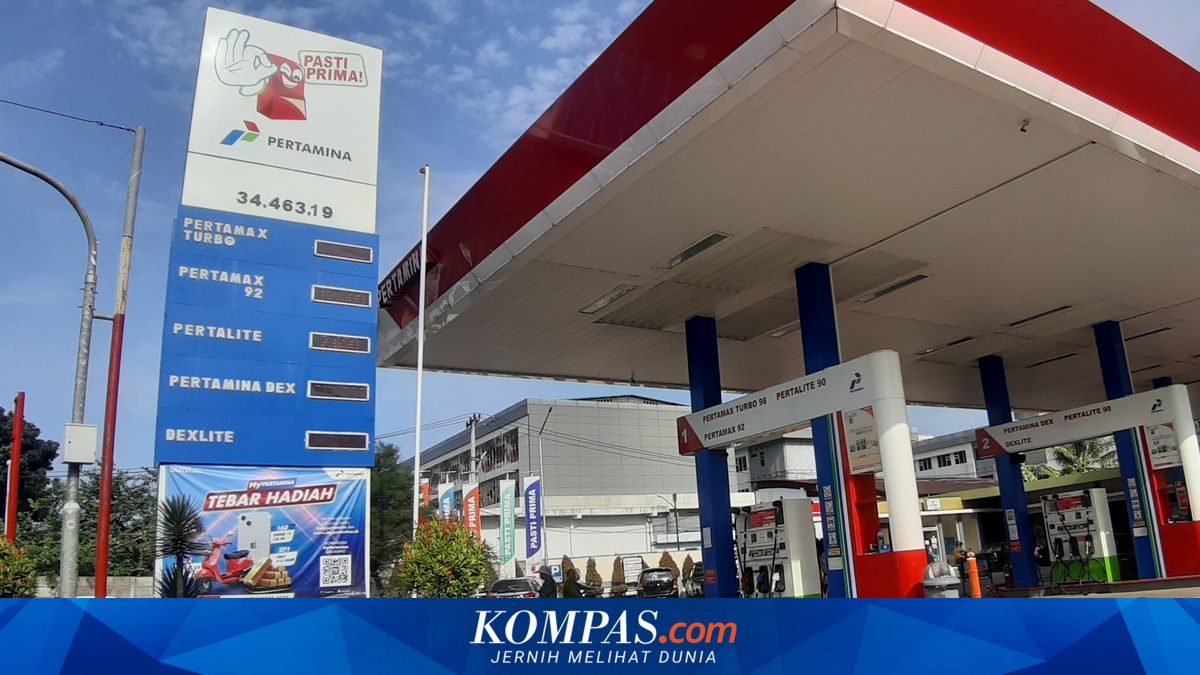
Bank Indonesia (BI) has confirmed that the impact of the rise in non-subsidised fuel (BBM) prices on inflation in April 2026 will be relatively limited. BI Deputy Governor Aida S. Budiman stated that the increase in non-subsidised BBM prices, which occurs in line with developments in global oil prices, does indeed contribute to monthly inflation. However, this contribution is considered very small to overall inflation, at only around 0.04 percent, so it will not disrupt overall price stability. “For non-subsidised BBM, if we look at its weight in inflation, for this April month it can increase inflation but not too much, only by 0.04 percentage points,” she said during a press conference on Wednesday (22/4/2026). This indicates that inflation remains under control despite external factors such as the rise in global energy prices due to the war in Iran. From the economic growth perspective, BI also remains optimistic. Although the global economic growth projection is experiencing a decline from 3.1 percent to 3 percent, the domestic economy is expected to continue growing solidly in the range of 4.9 percent to 5.7 percent. On the same occasion, BI Deputy Governor Ricky P. Gozali added that the dynamics of the war in the Middle East must be watched closely because it can affect trade routes and global oil prices, thereby potentially raising domestic BBM prices. “For that reason, Bank Indonesia through its 46 representative offices across the country is ready to respond to potential inflationary pressures from global sources, particularly from rising energy or BBM prices,” said Ricky. In addition, weather risks such as the El Niño phenomenon also have the potential to add pressure to inflation, especially from the food supply side. This is because this weather can cause prolonged dry spells. To anticipate this, BI is strengthening synergy with the central and regional governments through the Central and Regional Inflation Control Teams (TPIP and TPID). These efforts include the Gerakan Pengendalian Inflasi dan Pangan Sejahtera (GPIPS) programme. Several measures undertaken through these teams include strengthening food distribution, inter-regional cooperation between surplus and deficit areas for certain food commodities, and implementing affordable market operations to maintain price stability and supply availability. “In addition, price control efforts also need to be carried out through coordination and synergy between TPID and the Subsidised BBM Supervision Task Force in the regions that we are doing to ensure that subsidised BBM can be distributed on target,” he added.