
Will the British PM's Resignation Weaken European Security?
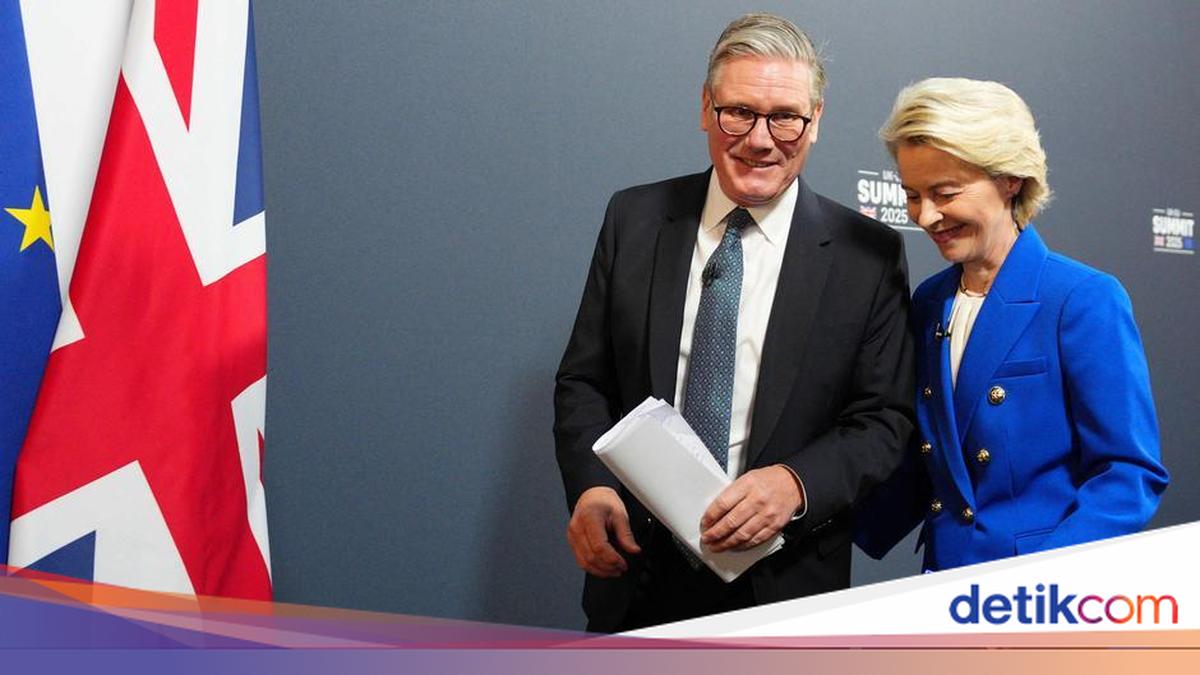
British Prime Minister Keir Starmer announced his resignation on Monday (22/06). While his popularity has collapsed domestically, across the English Channel he leaves a legacy that is difficult to ignore. Responding to Starmer’s resignation, European Commission President Ursula von der Leyen wrote, ‘European and Ukrainian security is stronger because of you. Thank you, Keir.’ French President Emmanuel Macron also expressed appreciation for Starmer’s support for Ukraine and his efforts to strengthen relations between the European Union and the UK. In Europe, Starmer was renowned for his support of Ukraine in the war against Russia. Alongside Macron, he led the ‘Coalition of the Willing’, an alliance of 35 countries providing military aid to Ukraine. The group is projected to help sustain Ukraine’s long-term defence even after the fighting stops. Unsurprisingly, Ukrainian President Volodymyr Zelenskyy also thanked Starmer via social media platform X. Olivia O’Sullivan, Director of the UK in the World programme at Chatham House, described Starmer as an active and reliable partner in the coalition. She noted that Starmer worked with European leaders to ensure they played a role in maintaining peace, even while struggling to meet defence spending targets due to budget constraints—a challenge his successor will also face. The UK also played a crucial role in supporting Ukraine through the E3 format with Germany and France, which coordinates foreign and security policy. O’Sullivan stated that the E3 group has been a key driver of various European strategies, not only concerning Ukraine but also in responding to the United States’ impact on European security, such as formulating a response to US demands regarding the security of the Strait of Hormuz. With Starmer’s departure, Europe must now adapt to a new British prime minister. O’Sullivan assessed that this change would not be a major obstacle, though she acknowledged that Starmer’s exit could reduce the momentum of cooperation within the E3 group. The future of UK-EU relations will depend heavily on Starmer’s successor. Former Manchester Mayor Andy Burnham is currently considered the strongest candidate. O’Sullivan said Burnham is generally known to hold pro-European views and is expected to continue Starmer’s approach to the EU and Ukraine. However, as Burnham has focused more on domestic issues, his foreign policy direction remains difficult to predict. One of Starmer’s key foreign policy achievements was the UK-EU security partnership, formalised at the first EU-UK summit since Brexit. The partnership, agreed in May 2025, was designed to expand cooperation on Ukraine and other security and defence initiatives, and it advocated for a regular dialogue forum between the EU and the UK. O’Sullivan noted, however, that the UK only gained limited access to the EU’s €150 billion SAFE programme after refusing to pay the participation fee. Despite this, relations with the EU are expected to remain a priority for the next prime minister. On Monday, European Council President António Costa announced that the EU-UK summit scheduled for 22 July has been postponed.