
Will Ships Transiting the Strait of Hormuz Have to Pay? Here's the Latest Update
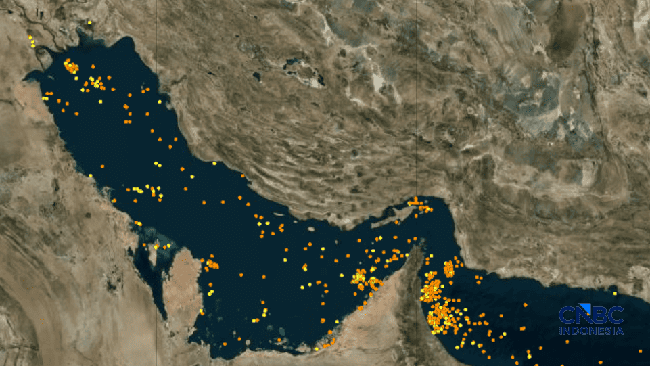
Jakarta, CNBC Indonesia – Oman has submitted a proposal to Iran to manage the Strait of Hormuz on a regional basis through a voluntary transit contribution scheme. This differs from Tehran’s wish to retain control of the strategic shipping route whilst also levying charges on vessels passing through it.
It is worth noting that the Strait of Hormuz is a vital global trade route through which roughly one-fifth of the world’s oil supply passes. The waters lie between Iran and Oman, and have become a flashpoint of tension between Iran and the United States.
According to Gulf region sources and a Western diplomat who spoke to Reuters, the proposal was tabled at a meeting in Tehran over the past weekend. “The proposal offers a joint management mechanism at the regional level with voluntary fees to fund navigation, environmental protection, search and rescue operations, and other maritime services,” the source said, quoted on Wednesday (29/7/2026).
Similar to the Strait of Malacca
The scheme proposed by Oman adopts the Strait of Malacca model, in which Indonesia, Malaysia, and Singapore jointly manage the shipping route without imposing mandatory transit tariffs. Vessels are merely asked to make voluntary contributions to support safety and operational services in the area.
Oman put forward the new approach after receiving a mandate under the temporary ceasefire agreement between Iran and the United States in June. Under that agreement, Iran consented to hold talks with Oman to formulate governance of the Strait of Hormuz together with other Gulf states in accordance with international law.
Iran’s response
However, Iran remains insistent on obtaining the right to levy charges on vessels transiting the Strait of Hormuz in any permanent peace agreement. An Iranian official previously said the amount of the fee would be determined based on several factors, including the type of vessel, its size, its cargo, and other considerations.
Tehran has also established the Persian Gulf Strait Authority to regulate shipping traffic and require all vessels to coordinate with the body. Senior Iranian officials have even described strengthening control over the Strait of Hormuz as one of the main priorities in their post-conflict strategy.
The US response
Meanwhile, US President Donald Trump previously stated that Washington wanted to impose a charge of 20% of the value of cargo carried by vessels passing through the Strait of Hormuz. That statement, however, contradicts the position of US Secretary of State Marco Rubio, who asserted that “no country in the world has the right to charge for the use of international waterways” and that shipping fees would not form part of any peace deal.
Under the United Nations Convention on the Law of the Sea (UNCLOS), states bordering an international strait are not permitted to levy charges solely for the right of transit. States may only charge for specific services, such as pilotage, vessel escort, or port services. Although Iran and the United States are not parties to UNCLOS, its provisions are widely recognised as the foundation of international maritime law.
Shipping industry figures consider the unilateral imposition of transit fees in the Strait of Hormuz unprecedented in modern history. Gulf states are also concerned by the idea, as the route is their main access point for exporting energy to global markets, whilst practice in other international straits generally continues to guarantee freedom of navigation without general transit tariffs.