
Will Parents of Students Be Pursued by KPK Following Unsoed Rector Case?
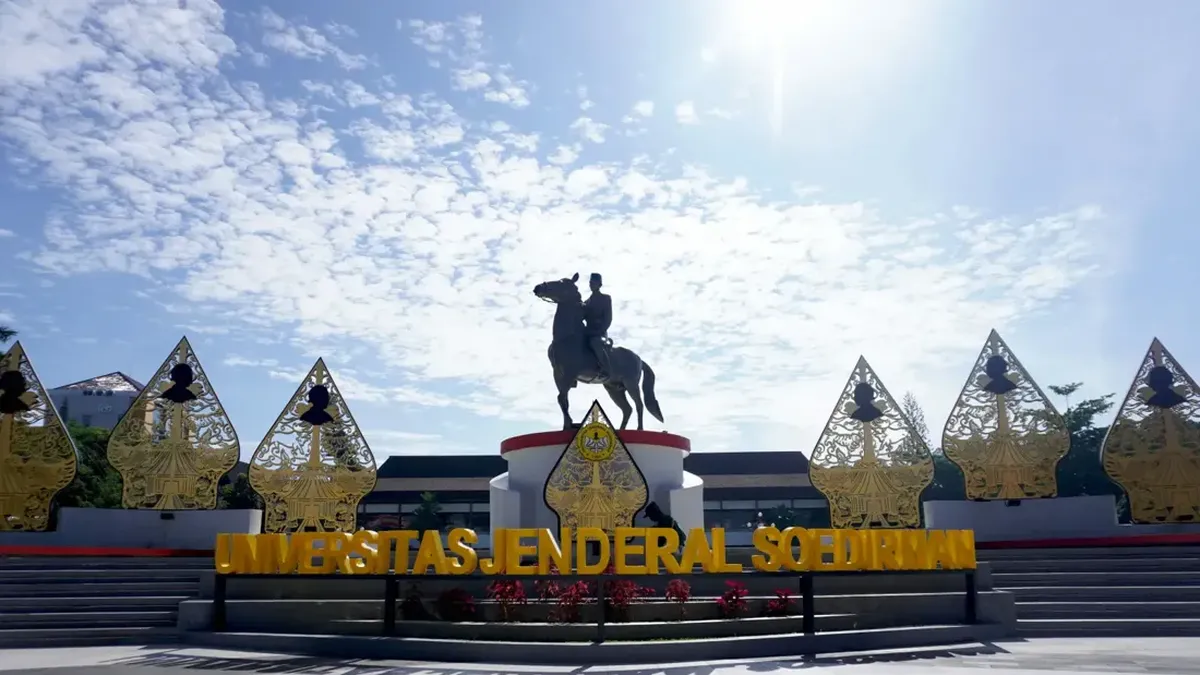
The Corruption Eradication Commission (KPK) is applying extortion charges in processing the case against Rector of Jenderal Soedirman University (Unsoed) Akhmad Sodiq and four other suspects in the new student admission process. Therefore, parents of students in this case are positioned as victims and will not face legal proceedings.
KPK spokesperson Budi Prasetyo highlighted the issue of power relations in the case under investigation. In the alleged corruption case related to the New Student Admission Selection (SPMB) process at Unsoed, the KPK is examining suspected abuse of authority in the new student admission process as well as alleged receipt of money or gifts related to that authority.
The application of criminal articles in the case is said to be based on facts and evidence found by investigators. In the context of Article 12 letter e of the Corruption Eradication Law, several important aspects being investigated include whether there is a public official or state administrator who, with the intention of benefiting themselves or others unlawfully, abused their power to force someone to give something, pay, receive payment with a deduction, or do something for them.
“In the context of SPMB, the authority attached to certain parties within the university is a very important aspect,” Budi said when contacted via written message on Saturday (22/8). He explained that new student admission is a process with mechanisms, requirements, and formal authority. When that authority is suspected of being used to open the way for certain payments or gifts outside legal mechanisms, Budi said, what needs to be examined is not merely whether money changed hands, but also how the process occurred, who held the authority, how that authority was used, and whether there was pressure or coercion causing someone to give something.
“This is where the concept of power relations becomes relevant to understanding the context of the event,” Budi said. He stated that power relations describe an unequal position between those holding authority and those needing decisions or services from the authority holder.
“In the new student admission process, prospective students and their families are in a position of needing decisions from the educational institution. Meanwhile, certain parties within the institution hold authority or influence over that process,” Budi said. This imbalance of position can become a legal issue if authority that should be used to carry out the student admission process objectively and in accordance with regulations is instead suspected of being used to request or force certain payments or gifts.
“Thus, coercion does not always have to be understood in the form of explicit physical threats,” Budi said. In the context of suspected extortion through abuse of power, Budi said investigators will examine the full series of facts, including whether there was pressure stemming from the position or authority of the perpetrator, whether prospective students or their families were in a situation with no reasonable choice, and whether the payment was linked to the possibility of someone being accepted or not in the SPMB process.
He said that authority in the SPMB process is in principle granted to ensure student admission takes place based on regulations and principles of justice. That authority is not a space for someone to seek personal gain or benefit for certain parties.
In addition to suspected extortion, in this case the KPK is also applying charges under Article 12B of the Corruption Eradication Law, namely acceptance of gratuities. In principle, Article 12B stipulates that any gratuity to a public official or state administrator is considered a bribe if it relates to their position and is contrary to their obligations or duties.
In this case, the KPK will examine not only whether someone received money or gifts, but also what relationship the gift has with the position and authority they hold. If the gift was given because someone holds a position or authority in the student admission process, and the gift is contrary to their obligations or duties, then that fact becomes an important part of the elements of Article 12B.
Source: jawawa.id (https://jawawa.id/newsitem/will-parents-of-students-be-pursued-by-kpk-following-unsoed-rector-case-1787410401)
Originally published by CNN Indonesia (https://www.cnnindonesia.com/nasional/20260822184109-12-1395374/apa-orang-tua-mahasiswa-bakal-dikejar-kpk-buntut-kasus-rektor-unsoed), translated from Indonesian