
Will Germany be Satisfied with the Merz Administration's Policies?
Ahead of the 36th anniversary of the reunification of West and East Germany on 3 October 2026, the infratest dimap polling institute asked 1,303 eligible voters to assess their personal situations.
Of the twenty per cent of participants identifying as East German, 44% felt reunification had provided benefits, while 25% felt it had no significant impact on their personal lives. More than half of West German respondents stated that reunification had no major impact on their lives. Of the remainder, 19% said it had a positive impact, while 18% said it had a negative impact.
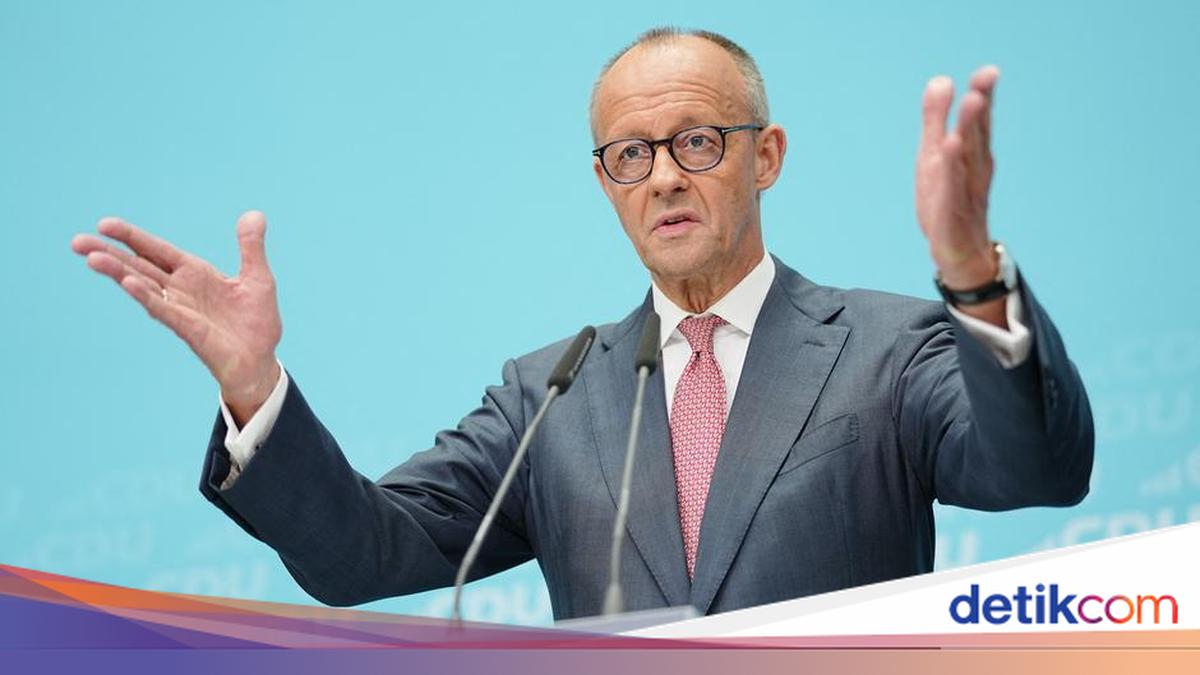
Germany underwent three state elections last September, two of which were in the eastern states of Saxony-Anhalt and Mecklenburg-Vorpommern. These elections were considered a test of national voter sentiment. The results were a significant blow to the centre-right Christian Democratic Union (CDU), the party of Chancellor Friedrich Merz.
In Saxony-Anhalt and the capital, Berlin, where the CDU previously held power, support has dropped by 10% since the previous election. In Mecklenburg-Vorpommern, the CDU even failed to cross the 5% threshold required to secure parliamentary seats, an unprecedented event in German history.
Chancellor Merz intends to remain in office, but his support and popularity have continued to decline following the elections. His coalition, comprising the conservative CDU and CSU, alongside the centre-left Social Democratic Party (SPD), is losing popularity. Only one in ten respondents in the survey expressed satisfaction with the performance of the federal government and the Chancellor, the lowest figure in history. Furthermore, only 40% of CDU supporters are satisfied with Merz’s leadership.
The far-right Alternative for Germany (AfD) party continues to benefit from voter dissatisfaction with the governing parties. If a federal election were held now, the CDU/CSU alliance would only achieve 20% of the vote. This is one of the party’s lowest historical figures, far from the 43.8% achieved in the first election after reunification in 1990.
The SPD would only obtain 13% in the poll. This means the governing parties collectively would not even reach one-third of the vote and would lose their majority in parliament. The AfD is set to become the strongest political force, consistently polling at 27% nationwide. The Green Party, which focuses on environmental protection and sustainability, saw a slight increase to 16%, while the Left Party declined to 11%. With these results, forming a majority in the national parliament would be an extremely difficult task.
Regarding broader concerns, only one in eight people in Germany feel optimistic, while almost nine in ten expressed anxiety. Two-thirds of respondents are worried about humanity losing control over Artificial Intelligence (AI) and the consequences of US President Donald Trump’s policies on Germany. Six in ten expressed concern about climate change, and more than half are worried that Russia might attack other European nations.
Approximately one in two respondents fear they will be unable to maintain their standard of living in the future. An equal number are concerned about immigration in Germany. However, the primary source of anxiety for German citizens so far is the inability of political parties to find common solutions to key issues.
Social reforms must be fair. Germany’s elderly population is increasing rapidly, meaning fewer workers are available to support a growing number of retirees. The ageing society is also straining the healthcare system. Since 2015, the number of people requiring long-term care has risen from approximately 2.8 million to around 6.5 million, and this trend is continuing.
According to the ARD Deutschlandtrend survey, only one in six eligible voters is confident that the federal government will succeed in making the social security system sustainable in the future. Not all respondents are willing to pay more themselves: voters leaning towards left-wing parties are more likely to accept increases in social security contributions rather than benefit cuts, whereas AfD and CDU/CSU voters prefer the opposite.
Three-quarters of respondents view the government’s proposed reform measures as contradictory. They complain of an increasing burden despite government promises of relief. Sixty-one per cent stated that reductions in social benefits should be adjusted according to an individual’s financial capacity, even if this places a burden on some. One in two people would be more willing to accept cuts if the reasons were explained logically. The message for policymakers is clear: social reform requires explanation and social balance; otherwise, reform will lose support.
Welfare and the healthcare system are regarded as Germany’s primary achievements. When asked what works very well in Germany compared to other countries, survey respondents most frequently cited social benefits and medical care. Education, schools, vocational training, and universities ranked last.
Energy policies have yet to provide solutions. High energy prices continue to burden German citizens and the economy. The ongoing crisis in the Persian Gulf is further driving up oil prices, impacting fuel and electricity costs in Germany. Respondents in the ARD Deutschlandtrend survey believe government efforts have not been sufficient to address rising energy prices.