
Wild Plants Flourishing in Indonesia Can Be Converted into Diesel and Aviation Fuel
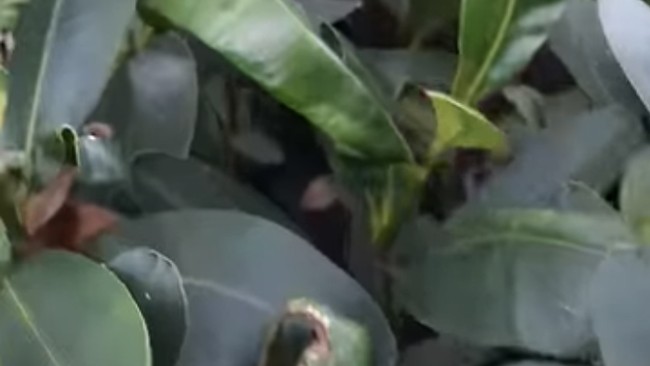
There is a wild plant growing abundantly across Indonesia, from Sumatra to Papua, that holds the potential to become a fuel of the future. The National Research and Innovation Agency (BRIN) has revealed that the nyamplung plant (Calophyllum inophyllum) can be processed into biodiesel, bioavtur (Sustainable Aviation Fuel/SAF), and biogasoline.
This potential is a primary focus of renewable energy development being driven by BRIN in collaboration with Gadjah Mada University (UGM). The research was highlighted during the National Student Webinar for the Nyamplung Biofuel Research Collaboration Centre (PKR) 2026, themed ‘Global Energy Crisis: Indonesia’s Biofuel Opportunities and the Potential of Nyamplung as Future Feedstock’.
Wega Trisunaryanti, Coordinator of the BRIN-UGM Nyamplung Biofuel Research Collaboration Centre, stated that developing renewable energy is an urgent necessity amidst increasing global energy security challenges. “Dependence on fossil fuels cannot last forever. The development of new and renewable energy derived from Indonesia’s natural potential, particularly the nyamplandum plant, is expected to be one of the solutions for national energy security,” Wega noted, as quoted from the official BRIN website.
Meanwhile, the Head of the UGM Energy Studies Centre, Sarjiya, noted that global geopolitical dynamics have impacted energy security, especially for countries still reliant on fossil fuel imports. He suggested that Indonesia has a significant opportunity to strengthen energy sovereignty through the use of renewable energy based on local potential. “Bioenergy not only supports carbon emission reductions but also opens investment opportunities, creates jobs, and improves community welfare, ensuring an energy transition that is fair and sustainable,” he said.
During the event, Budi Leksono, a lead researcher at BRIN’s Applied Botany Research Centre, presented the results of research into nyamplung development that has spanned nearly 18 years. He noted that this native Indonesian plant possesses several advantages as a biofuel feedstock. Budi explained that nyamplung is a non-food crop, meaning it does not compete with food security needs. Furthermore, the plant can grow on degraded lands and coastal areas, is long-lived, and has a high oil content.
He revealed that the natural oil yield of nyamplung can reach over 50% and has the potential to be increased through breeding programmes and intensive cultivation. According to Budi, nyamplung oil can be processed not only into biodiesel but also holds great potential for development into bioavtur (SAF) and biogasoline. The use of nyamplung also provides environmental benefits, as it can be used for the rehabilitation of degraded lands while helping to lower carbon emissions.
BRIN also assessed that the processing of nyamplung does not stop at biofuel production. The resulting waste can be utilised to produce biochar, compost, animal feed, and even cosmetics based on tamanu oil, thereby supporting a circular economy. Addressing concerns regarding land-use change, Sarjiya emphasised that biofuel development must be carried out sustainably by utilising degraded or critical lands without sacrificing productive forest areas. Through the research collaboration between BRIN and UGM, the development of nyamplung-based biofuel is expected to strengthen national energy security and support Indonesia’s 2060 Net Zero Emission target.
Source: jawawa.id (https://jawawa.id/newsitem/wild-plants-flourishing-in-indonesia-can-be-converted-into-diesel-and-aviation-fuel-1785567137)
Originally published by CNBC Indonesia (https://www.cnbcindonesia.com/tech/20260801090718-37-755649/tanaman-liar-ini-tumbuh-subur-di-ri-bisa-disulap-jadi-solar-dan-avtur), translated from Indonesian