
WIKA Strengthens Coal Handling Infrastructure through PTBA Train Loading Station Project
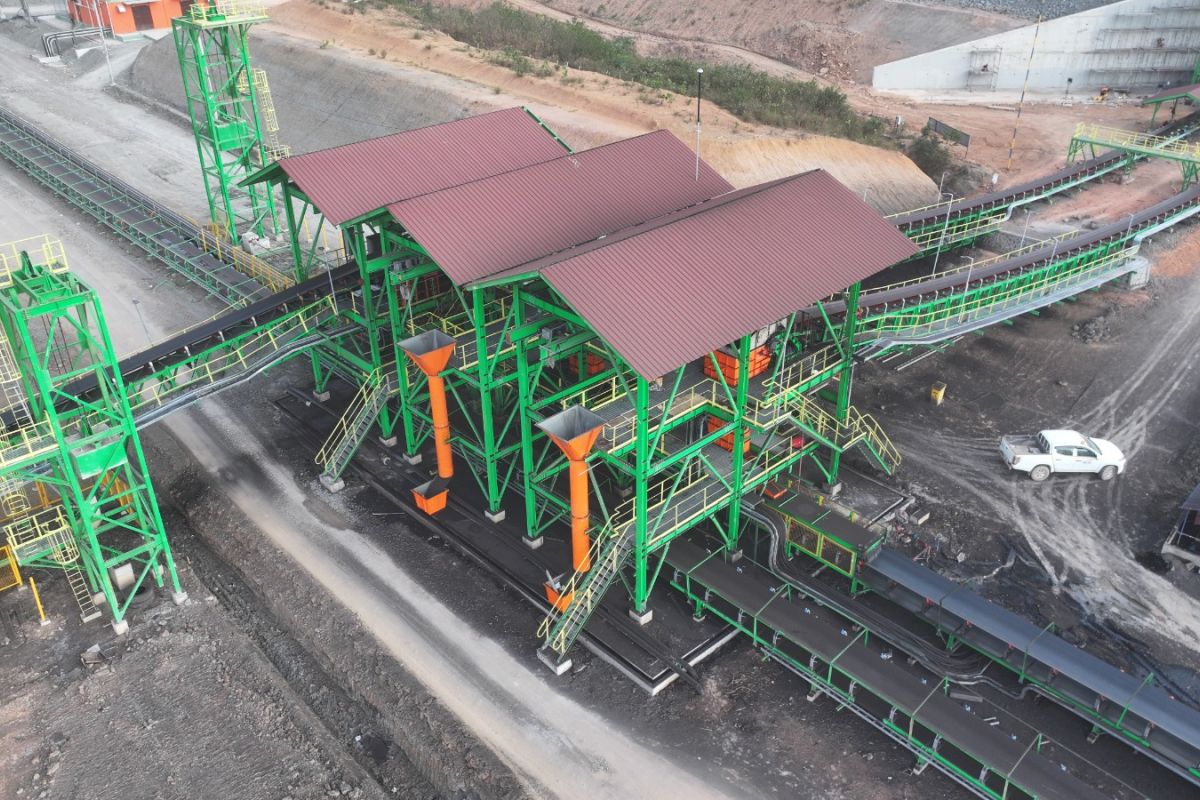
The project, which encompasses Engineering, Procurement, Construction, and Commissioning (EPCC) works, includes the construction of two conveyor lines, T4 and T5, spanning approximately 34 kilometres, Dump Hoppers 6 and 7, Train Loading Systems (TLS) 6 and 7, a Rail Loop and signalling system, as well as other supporting facilities.
To date, most of the primary works have been completed, and the project has entered the final completion, commissioning, and performance testing stage. Overall, the TLS 6 & 7 project is targeted for completion in the third quarter of 2026.
WIKA’s Corporate Secretary, Ngatemin, stated that the execution of this project is part of WIKA’s commitment to providing infrastructure that supports the effectiveness and reliability of the national logistics system.
“Through the TLS 6 & 7 project, WIKA is committed to delivering reliable and efficient coal handling infrastructure that prioritises quality and safety. We continue to ensure that every stage of the work is completed optimally so that the project’s benefits can support the smooth operation of the coal logistics system,” said Ngatamin.
The construction of this infrastructure is also in line with ‘Asta Cita’, specifically in strengthening national energy security. Through the development of reliable, large-capacity coal handling facilities, the TLS 6 & 7 project is expected to support the smooth flow of the coal supply chain as a key national energy source, while simultaneously enhancing the reliability of the energy logistics system.
Once operational, TLS 6 & 7 will provide an additional coal handling capacity of 20 million tonnes per year, bringing the total capacity of TLS 1–7 to approximately 60 million tonnes per year, with a handling capacity of up to 6,000 tonnes per hour. This infrastructure is expected to support a faster, more continuous, and more efficient coal handling and logistics process.