
WIKA Advances Jenelata Dam Project to Bolster South Sulawesi's Water and Food Security
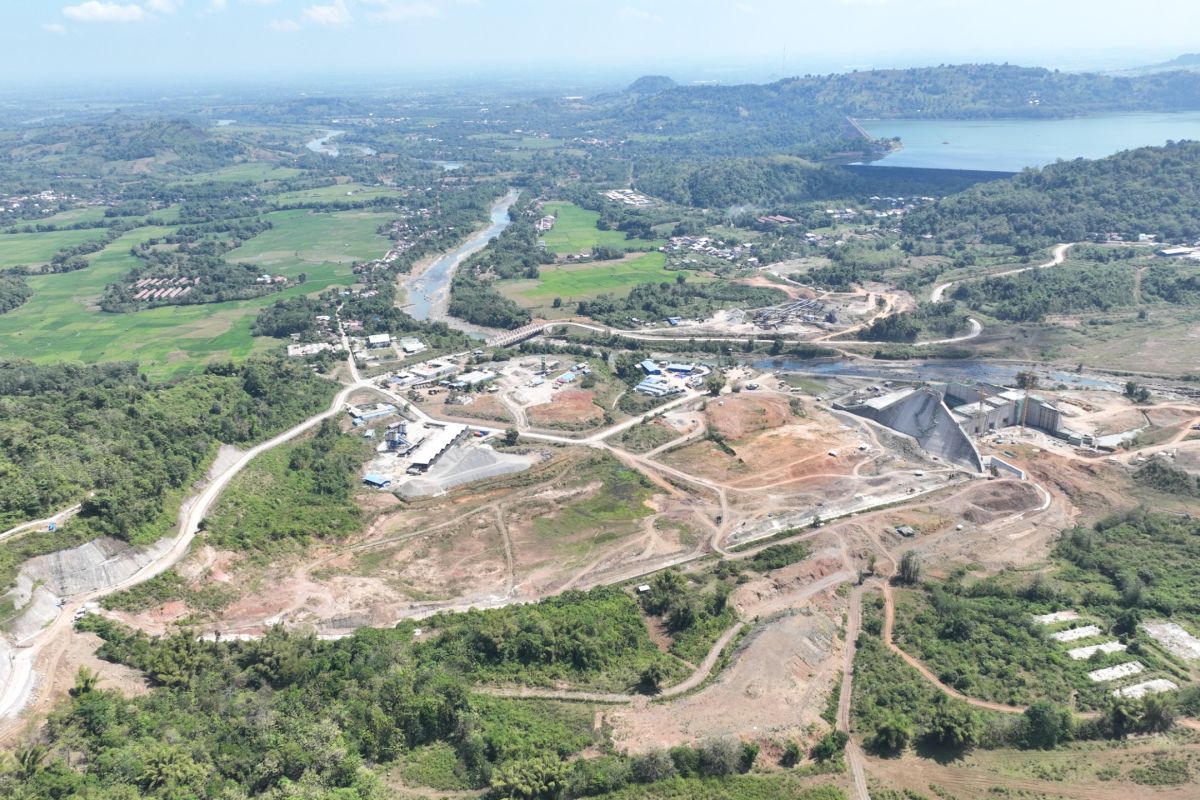
PT Wijaya Karya (Persero) Tbk (WIKA) continues to demonstrate its commitment to supporting national water resource infrastructure through the development of the Jenelata Dam project in Gowa, South Sulawesi. As of 30 June 2026, the physical construction progress for the Joint Operation portion has reached 31.72%.
The Jenelata Dam is a strategic infrastructure project designed to strengthen flood control, provide raw water supply, support agricultural irrigation, and enhance water security in the South Sulawesi region. Corporate Secretary WIKA, Ngatemin, stated that the dam aligns with the national development agenda, particularly in strengthening food security, equitable infrastructure distribution, and improving the quality of life for local communities.
The dam will have a total capacity of 223.6 million cubic metres. Its primary benefits include reducing the flood discharge of the Jenelata River from 1,800.46 m³/second to 686 m³/second, supplying raw water at a rate of 6.05 m³/second, and supporting irrigation for an area of 25,783 hectares.
Currently, WIKA’s scope of work focuses on the left bank and supporting infrastructure. Ongoing activities include mass concrete casting for the spillway retaining wall, access road work, drainage system preparation, and drilling and grouting within the spillway gallery. Significant milestones have been achieved, with excavation work reaching 100% completion, alongside progress on the plinth, consolidation drilling and grouting, curtain plinth, spillway retaining wall, and permanent access roads.
The project also emphasises community empowerment, employing approximately 330 workers, 197 of whom are local residents. WIKA is implementing various strategies to accelerate and control the project, including Lean Construction, daily progress evaluations, and the use of Building Information Modeling (BIM) for integrated work visualisation and control. The Jenelata Dam is targeted for completion by June 2028 and is expected to play a vital role in protecting downstream areas from flooding, boosting agricultural productivity, and opening new economic opportunities through tourism and freshwater fisheries.